
F&I Showroom Magazine

 MENU
MENU SEARCHMENUSEARCH
Here’s a handy checklist of the numbers to track in 2026 instead.
Read More →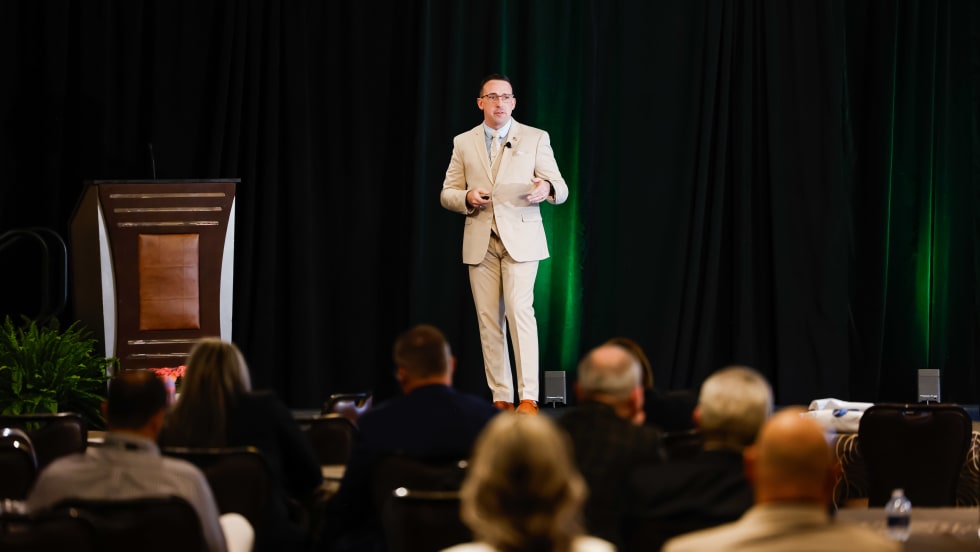
Dustin Gingerich, with a decade in the F&I business under his belt, shares his thoughts on leadership, building trust with customers, and the importance of learning and innovation.
Read More →
F&I managers must learn as much as possible about their customers, starting before they walk into their offices. The bulk of today’s consumers expect that, and good results will follow.
Read More →
Ellis Automotive in upstate New York was named the 2025 Dealer of the Year by Donate Life NYS for promoting organ, eye and tissue donations and fundraising.
Read More →
Federal regulators are cracking down on hidden fees. This protective measure could mean the difference between winning and losing a lawsuit or surviving a duel with the Dark Side.
Read More →
Reports and accounts at variance show auto dealers’ trust profiles have risen in many consumers’ minds but that there remains a need for greater transparency by some.
Read More →
What’s the atmosphere saying about you to your customers? You can make minor adjustments and additions that transform your space into one that creates trust with the people on the other side of the desk.
Read More →
It’s time to take the next digital step to free F&I managers to handle the most challenging aspects of customer meetings.
Read More →
Automotive dealers should follow the National Automobile Dealers Association's consumer-friendly guidelines in order to minimize their legal risks.
Read More →
Some of it should be given to the customer, but that doesn’t mean the F&I office relinquishes the process. In fact, a different approach both builds trust and boosts sales.
Read More →