
F&I Showroom Magazine

 MENU
MENU SEARCHMENUSEARCH
Compliance audits regularly reveal bad habits that can lead to fraud charges and should have been stamped out decades ago.
Read More →
The foundational finance-and-insurance product hasn’t kept up with the latest conditions for auto dealers. Is the time ripe?
Read More →
The department may hold untapped potential for your dealership. This issue of the magazine shares ways to unearth it and turn it around for more profits.
Read More →
Artificial intelligence is reshaping the service-drive experience and will help retailers stay competitive.
Read More →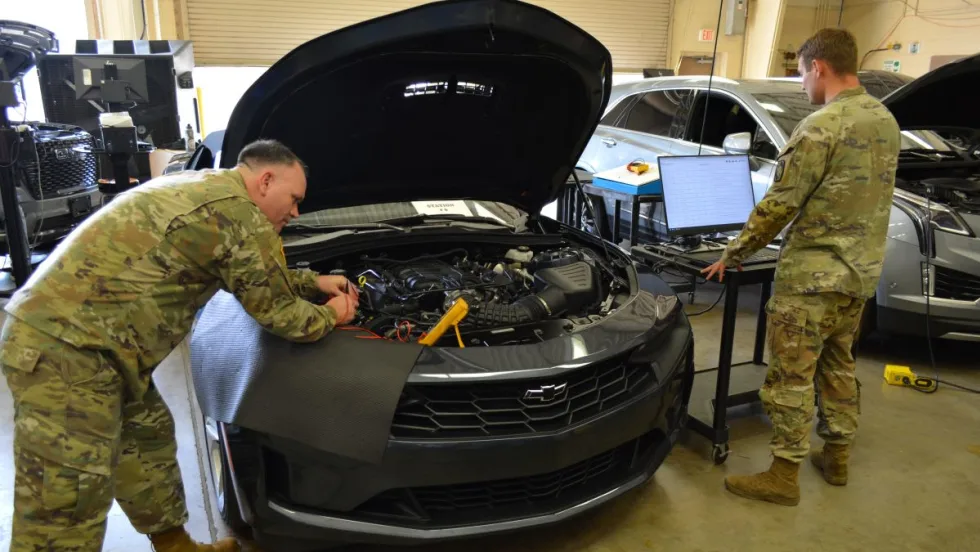
Shifting Gears aims to alleviate the strain caused by the auto industry’s technician shortage while easing the sometimes jarring transition that veterans face after leaving the Army.
Read More →
Today’s technology, instead of threatening F&I managers, can actually make them better, according to an industry veteran who’s watched market setbacks roil the unprepared.
Read More →
When an F&I manager gets a customer refusal, it’s a wise move to tweak more than one thing in the product offering.
Read More →
F&I managers need training, but instead of resisting application or expecting perfection, they should improve by simply acting on what they learn.
Read More →
Dealers must be careful they don’t run afoul of the law when it comes to such deceptive practices, as there are many cases pointing to the potential bad ends of such deals.
Read More →
Identify areas of concern and opportunities for training by updating, installing and enforcing a compliance checklist that requires specific actions for sales, F&I and accounting.
Read More →