



Rhyme and Reason to Ford Recalls
Automaker says its emphasis on safety is behind industry-leading callbacks.

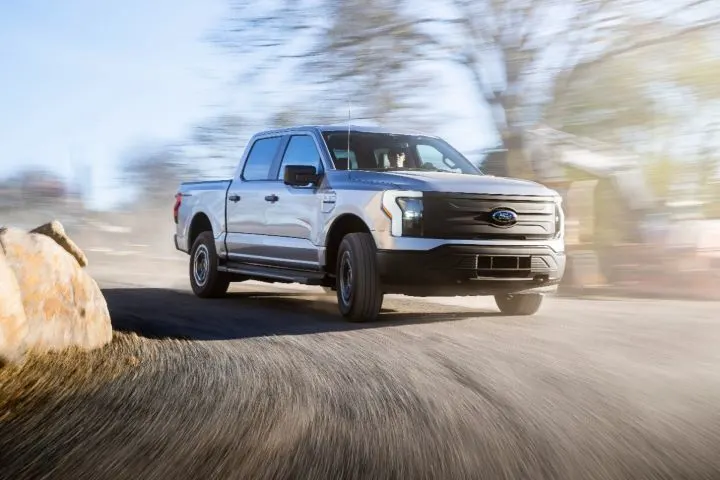
Ford recalled about 30,000 F-150 Lightning pickups in the spring due to a potential production error that could have caused steering loss. The recall was meant to address all units made before an improved tooling design was introduced.
Ford
Ford trained a positive light on its frequent vehicle recalls in a statement promoting an emphasis on safety.
The statement by the automaker’s chief operating officer, Kumar Galhotra, said Ford has “significantly improved product quality,” and points out its three model awards in J.D. Power’s recent study of new-owner satisfaction.
Ford’s recalls have increased in frequency due to its “intensive strategy to quickly find and fix hardware and software issues and go the extra mile to help protect customers,” Galhotra said.
Through June, the automaker has issued the most U.S. recalls of any company at 84, according to Consumer Shield, citing National Highway Traffic Safety Administration data. The next highest is 21 by recreational vehicle manufacturer Forest River, followed by Volkswagen’s U.S. arm with 17.
Ford more than doubled the number of people on its safety team in the past two years and ramped up testing of systems such as power trains, steering and brakes, applying insights into vehicle production and flagging issues on older vehicles, he said. In addition, it’s improved its software validations to confirm the correct versions are used, and pushes over-the-air updates “to address potential warranty issues before they become customer issues.”
Ford also tests all of its new auto products in various customer scenarios, according to the statement.
“We will not compromise our responsibility to all our customers, not just those buying new vehicles, Galhotra said. “We believe this approach will lead to systemic and lasting positive change and help us reach world-class levels for quality, safety and customer satisfaction.”
More Industry
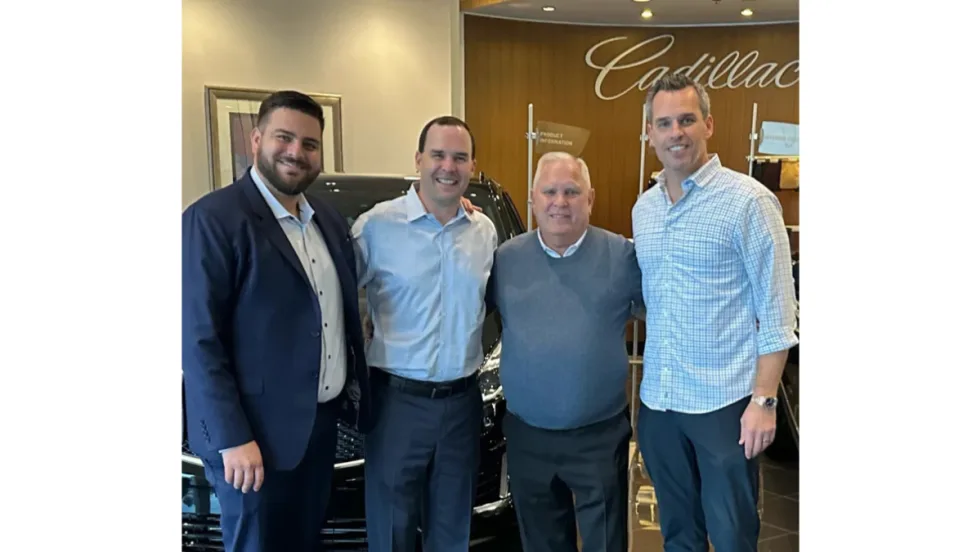
Philly Family Sells Stores
The Hills are exiting the automotive retail market after serving the Philadelphia area for more than 30 years.
Read More →
Automakers Must Switch Routes to Compete With China
An analysis of the ascendant players’ increasing market share and how they got there advises Western OEMs to follow a similar playbook to protect their businesses.
Read More →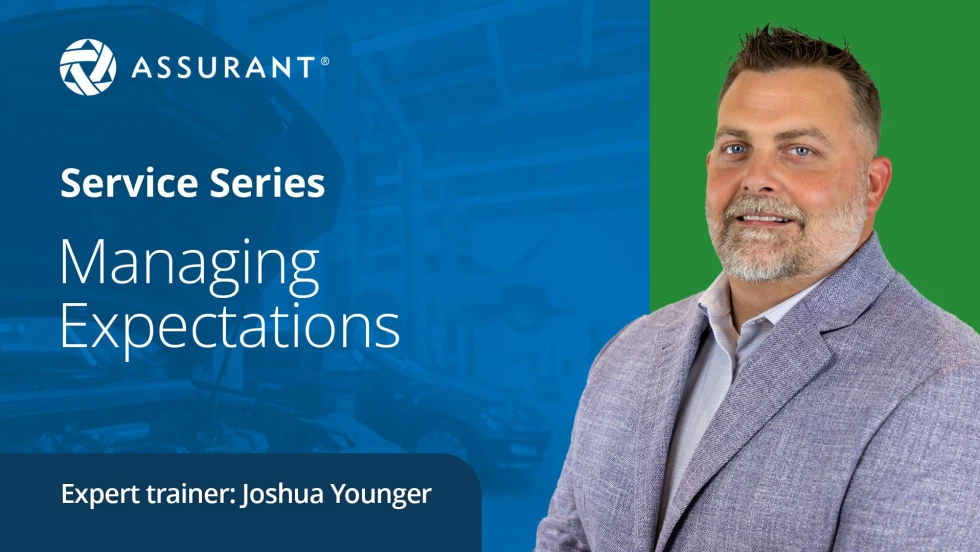
Managing Expectations
Learn how proactive communication, setting clear expectations, and providing solutions when plans change can strengthen customer trust and improve the overall service experience.
Read More →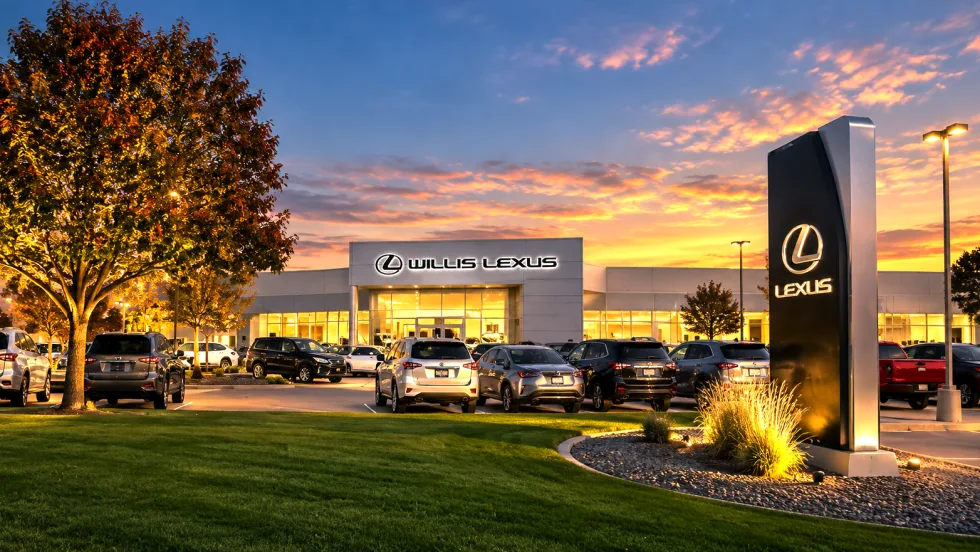
Hawkeye State Dealerships Trade Hands
One auto group and a single store sell as part of a recent deluge of U.S. buy-sell transactions making 2026 a hot M&A year.
Read More →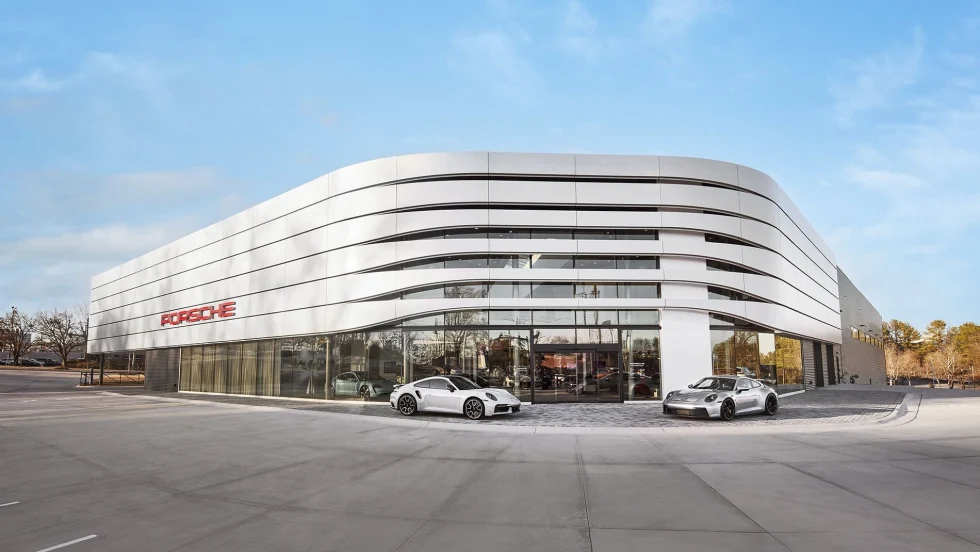
Mainstay Georgia Auto Group Sells
Acquisition by Group 1 extends its presence in the U.S. luxury retail market with the addition of the 10-store stable.
Read More →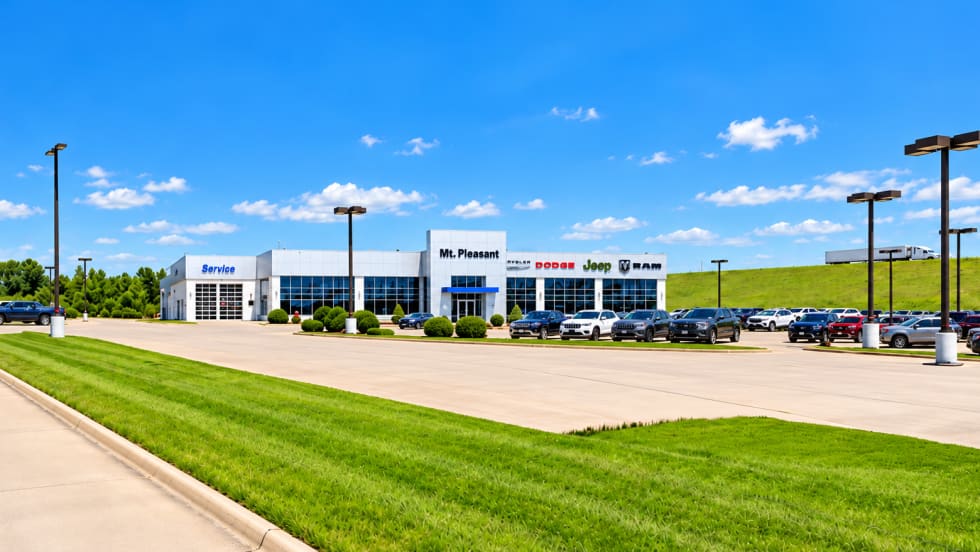
New Auto Group Enters the Market
The Iowa transaction involved a Chevrolet GMC Chrysler Dodge Jeep Ram rooftop.
Read More →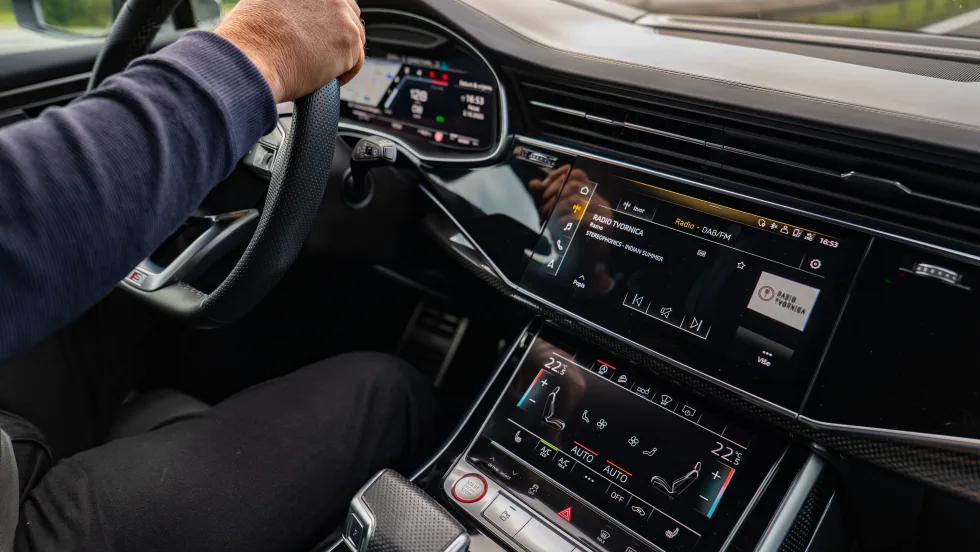
Connection Drives Consideration
Convenience and safety are top priorities for American drivers when it comes to connected vehicles and the services they expect with their next car.
Read More →
New-Vehicle Prices Stay Put
Affordability pressures and model availability shaped new-vehicle sales in September, according to an analysis by Kelley Blue Book.
Read More →
EV Buyer Consideration Shifts
What drives American consumers to purchase an electric vehicle is shifting as the question moves away from Should I?' to 'Which features and experience do I want to have?'
Read More →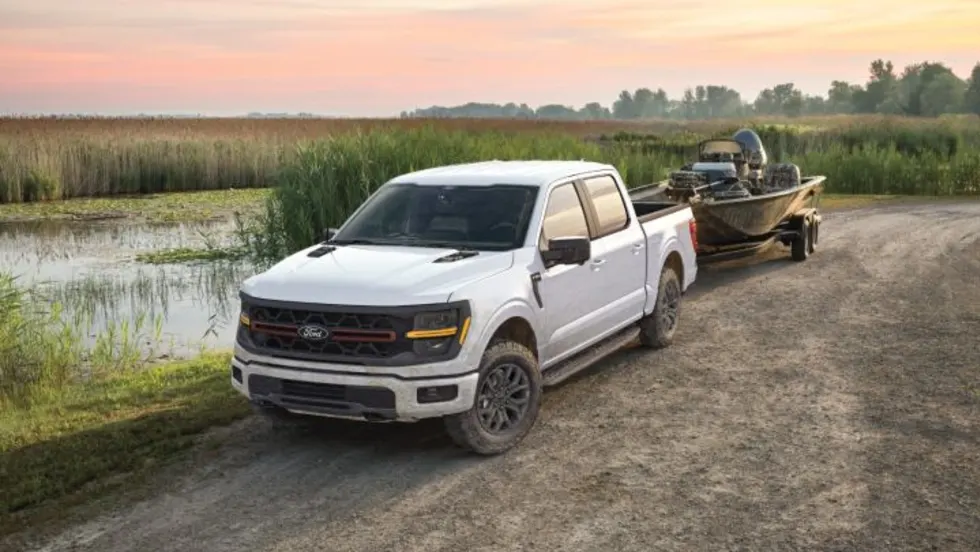
Auto Nameplate Loyalty Holds in Tough Times
Consumers have been faithful to brands despite financial pressures, and JD Power says that’s because automakers have made some wise moves.
Read More →