



Swapalease: Lack of Dealer Incentives Fuels Secondary Lease Market
Swapalease reports credit approval rates on its online marketplace dipped slightly in March, but traffic is up as consumers encounter high lease prices at dealerships.


Swapalease analysts say high lease prices at the dealership are driving prospective new-vehicle lessees to secondary markets.
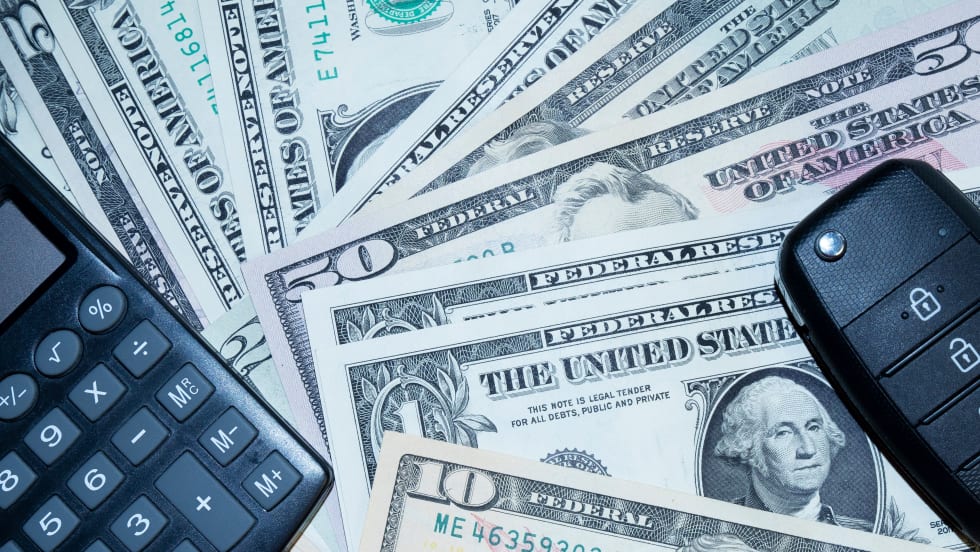
Photo by Christina Morillo via Pexels
CINCINNATI — Car lease marketplace Swapalease.com reports car lease credit applicants registered a 65.9% approval rate in February, a decrease from the January rate of 67.6%. Lease prices at the dealership are driving more people to seek existing leases offered at “yesterday’s prices” on secondary markets, analysts said, citing Edmunds.com data showing U.S. lessees are paying as much as 26% more than they did in 2016, and more than $1,600 over the life of the lease on average. Record-high vehicle prices, weakening residuals, and rising interest rates were listed as the primary causes.
February saw a slight increase in approval ratings in comparison to February 2018, when only 65.2% of lease applicants were approved. However, the past two years have experienced slightly lower approval ratings when compared with February 2016 (70%) and February 2017 (72.2%).
“We are seeing an increase in the number of applicants looking to take over another person’s lease this month, which usually result in more non-approvals from people who do not have the credentials to take over a lease,” said Scot Hall, executive vice president of Swapalease.com. “Shoppers are seeking alternative outlets like Swapalease.com to shop for new leases, knowing they can find a better deal than what is currently being offered at the dealership.”
More Auto Finance
More Auto Loans for the Taking in August
Riskier categories were on the uptick for the month as lenders loosened access in several areas while balancing out the exposure in another, Cox Automotive reported.
Read More →
July Was Hot for Auto Borrowers
Credit proved readily available for many, but most loans left buyers in negative territory, Cox Automotive said.
Read More →
Dealer Lender Preferences Revealed
When lenders provide consistent, fast service, their overall satisfaction scores with dealers greatly improve, according to JD Power research.
Read More →
Auto Refi Savings Surge
Consumers with 84-month auto loan terms who refinanced saved the most on monthly payments, according to a new report by auto refinancing provider Caribou.
Read More →
Subaru Enters Lending Business
The automaker follows other brands in adding captive financing in the U.S., and says the move will strengthen its position here.
Read More →
Positive Equity Reaches Record High
Mainstream vehicle owners who bought a car seven years ago are likely to have positive equity when trading in for a new vehicle, according to second-quarter Edmunds data.
Read More →
Dealerships Are Paying the Price for Extended Car Loans
Growing negative-equity scenarios mean such lengthy terms should be addressed in a forward-looking way to make them work for the dealer and the consumer down the road.
Read More →
Trade-Ins in Negative Equity Reach New Heights
As such trade-ins rise in frequency, so do monthly loan payment amounts and interest rates, according to second-quarter data compiled by Edmunds.
Read More →
Auto Credit Plentiful
June numbers show lenders are readily granting access, including to risky borrowers, as consumers leverage themselves to take on high prices.
Read More →
Automotive Consumers Sink Further in Debt
Most financing metrics hit records in the second quarter as more buyers locked themselves into long terms and high monthly payments.
Read More →