



Volkswagen 'Deeply Sorry' About EPA Violation
Volkswagen's chief executive apologizes for emissions scandal and promises to 'do everything necessary in order to reverse the damage this has caused.'
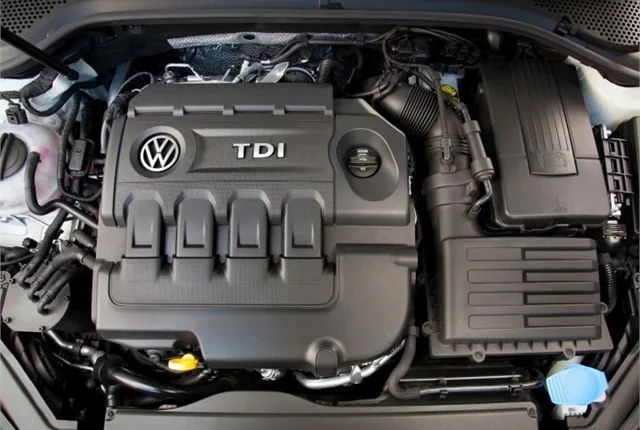
Photo courtesy of Volkswagen
BERLIN — Volkswagen's chief executive said the company is "deeply sorry" and plans to fully cooperate with the U.S. Environmental Protection Agency in its investigation of the automaker's use of software to get around federal emissions regulations.
Volkswagen is taking the findings from EPA and the California Air Resources Board "very seriously," according to a statement from Martin Winterkorn, chief executive of Volkswagen AG.
"I personally am deeply sorry that we have broken the trust of our customers and the public." Winterkorn said. "We will cooperate fully with the responsible agencies with transparency and urgency to clearly, openly, and completely establish all of the facts of this case."
On Sept. 18, the EPA accused Audi and Volkswagen of using a software algorithm in its four-cylinder diesels to circumvent federal emissions standards. The cars from the 2009 to 2015 model years could detect when the car is undergoing official emissions testing and turn on full emissions controls only during that test. This would violate the Clean Air Act.
The allegations cover about 482,000 models, including the Jetta TDI, Beetle TDI, Golf TDI, and Audi A3 TDI. The Passat TDI is affected from the 2014-MY and 2015-MY.
Volkswagen has also ordered a separate external investigation into the matter.
"The trust of our customers and the public is and continues to be our most important asset," Winterkorn said. "We at Volkswagen will do everything that must be done in order to re-establish the trust that so many people have placed in us, and we will do everything necessary in order to reverse the damage this has caused. This matter has first priority for me, personally, and for our entire Board of Management."
More Auto Finance

Interest Rates Further Squeeze Auto Consumers
Last month’s hike and a potential second increase this month add to a growing list of inflation woes that could continue to dent overall car sales.
Read More →
Mind Your Process
Consistent steps taken in various aspects of the F&I office can make valuable differences over time, similar to an outline for a best-selling book.
Read More →
Top Five Credit Application Fraud Flags
Compliance audits regularly reveal bad habits that can lead to fraud charges and should have been stamped out decades ago.
Read More →
More Auto Loans for the Taking in August
Riskier categories were on the uptick for the month as lenders loosened access in several areas while balancing out the exposure in another, Cox Automotive reported.
Read More →
July Was Hot for Auto Borrowers
Credit proved readily available for many, but most loans left buyers in negative territory, Cox Automotive said.
Read More →
Dealer Lender Preferences Revealed
When lenders provide consistent, fast service, their overall satisfaction scores with dealers greatly improve, according to JD Power research.
Read More →
Auto Refi Savings Surge
Consumers with 84-month auto loan terms who refinanced saved the most on monthly payments, according to a new report by auto refinancing provider Caribou.
Read More →
Subaru Enters Lending Business
The automaker follows other brands in adding captive financing in the U.S., and says the move will strengthen its position here.
Read More →
Positive Equity Reaches Record High
Mainstream vehicle owners who bought a car seven years ago are likely to have positive equity when trading in for a new vehicle, according to second-quarter Edmunds data.
Read More →
Dealerships Are Paying the Price for Extended Car Loans
Growing negative-equity scenarios mean such lengthy terms should be addressed in a forward-looking way to make them work for the dealer and the consumer down the road.
Read More →