



Zero Percent Finance Deals Drop to 13-Year Low
Edmunds reports loan interest rates sustained near-record highs in July as automakers make the shift away from traditional summertime financing deals.
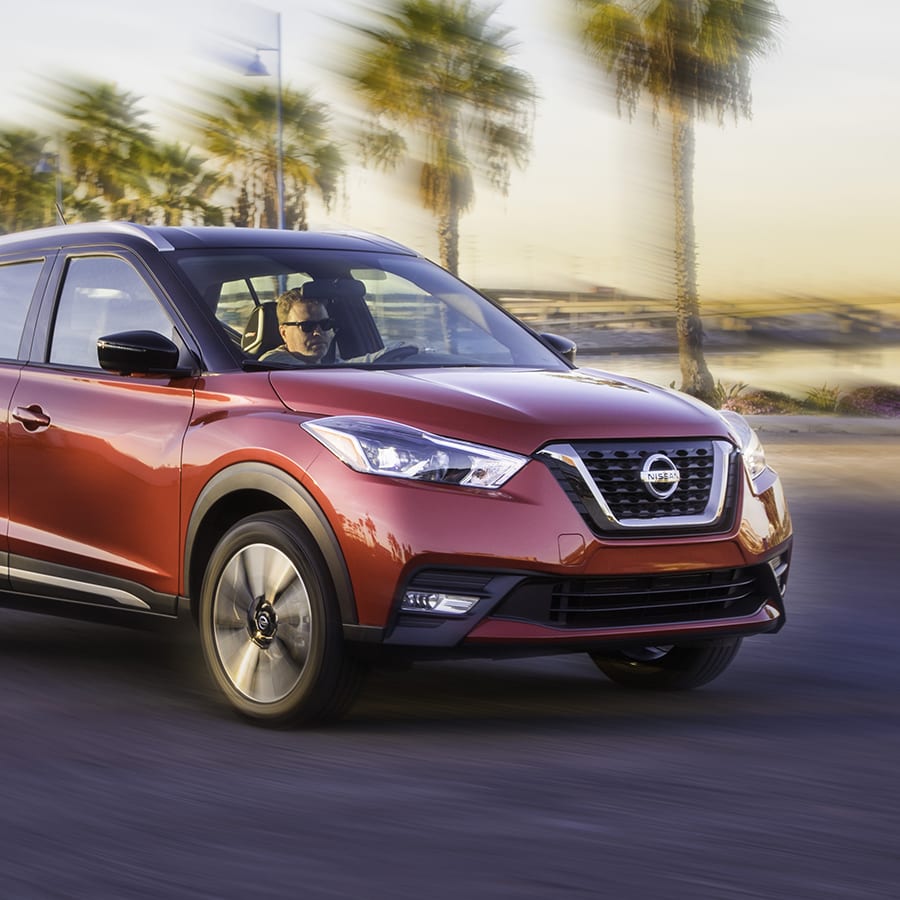

The Nissan Kicks was among the shrinking number of new vehicles boasting an available zero percent financing deal in July. Photo courtesy Nissan North America
SANTA MONICA, Calif. — Zero percent finance deals were slower to materialize for car shoppers in July, according to the latest report from Edmunds. Zero percent finance deals accounted for 6.92% of sales in July 2018, compared to 11.34% in July 2017 and 11.18% in July 2013. Analysts note that this is the lowest share of zero percent finance deals seen in July since 2005.
“Zero percent finance deals typically peak in summer months as a tried-and-true automaker method of spurring outgoing model-year vehicle sales, so this appears to mark the end of a fairly long-lived tradition for the industry,” said Jeremy Acevedo, Edmunds’ manager of industry analysis. “While inventory isn’t at the alarming level it was at this stage last year, how automakers navigate their model-year selldown will be critical through the rest of the year as the market contracts and prices continue to rise.”
Edmunds analysts point to the scarcity of zero percent finance deals as the driving force behind interest rates sustaining near-record average highs in July. The annual percentage rate on new financed vehicles averaged 5.74% in July 2018 compared to 4.77% in July 2017, representing the largest year-over-year jump in APR that Edmunds experts have seen so far in 2018.
“Interest rates might be down slightly month-over-month, but they’re still hovering near a nine-year high,” said Acevedo. “With more Fed rate hikes ahead, it’s not likely that APRs will be going down anytime soon.”
More Auto Finance
More Auto Loans for the Taking in August
Riskier categories were on the uptick for the month as lenders loosened access in several areas while balancing out the exposure in another, Cox Automotive reported.
Read More →
July Was Hot for Auto Borrowers
Credit proved readily available for many, but most loans left buyers in negative territory, Cox Automotive said.
Read More →
Dealer Lender Preferences Revealed
When lenders provide consistent, fast service, their overall satisfaction scores with dealers greatly improve, according to JD Power research.
Read More →
Auto Refi Savings Surge
Consumers with 84-month auto loan terms who refinanced saved the most on monthly payments, according to a new report by auto refinancing provider Caribou.
Read More →
Subaru Enters Lending Business
The automaker follows other brands in adding captive financing in the U.S., and says the move will strengthen its position here.
Read More →
Positive Equity Reaches Record High
Mainstream vehicle owners who bought a car seven years ago are likely to have positive equity when trading in for a new vehicle, according to second-quarter Edmunds data.
Read More →
Dealerships Are Paying the Price for Extended Car Loans
Growing negative-equity scenarios mean such lengthy terms should be addressed in a forward-looking way to make them work for the dealer and the consumer down the road.
Read More →
Trade-Ins in Negative Equity Reach New Heights
As such trade-ins rise in frequency, so do monthly loan payment amounts and interest rates, according to second-quarter data compiled by Edmunds.
Read More →
Auto Credit Plentiful
June numbers show lenders are readily granting access, including to risky borrowers, as consumers leverage themselves to take on high prices.
Read More →
Automotive Consumers Sink Further in Debt
Most financing metrics hit records in the second quarter as more buyers locked themselves into long terms and high monthly payments.
Read More →