



CFPB Abandons Name Change Following Mulvaney Departure
An internal memo from the Consumer Financial Protection Bureau’s new director confirms the agency will not complete the renaming process that began under recently departed acting director Mick Mulvaney.

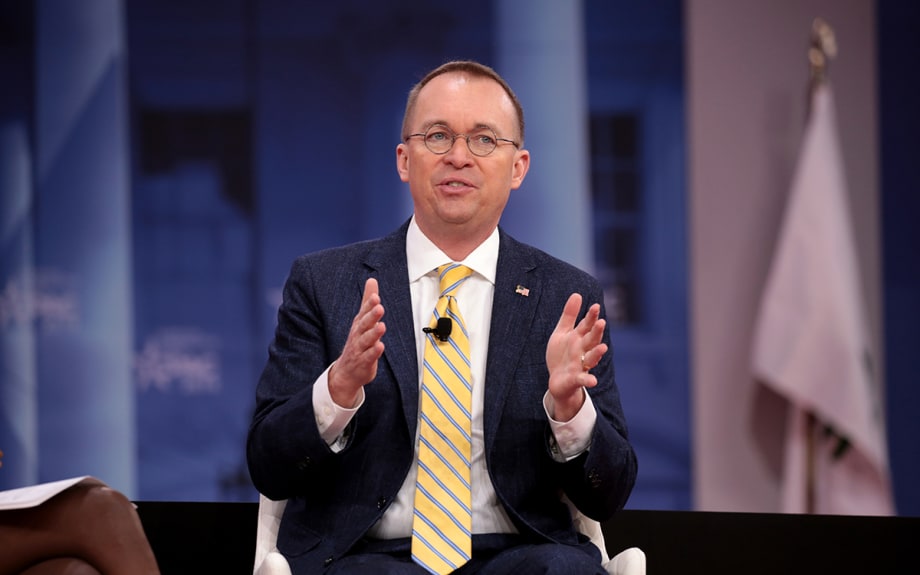
Former acting director Mick Mulvaney’s quest to change the Consumer Financial Protection Bureau’s name has ended with an internal memo sent by the agency’s new chief.
Photo by Gage Skidmore via Flickr
WASHINGTON — In her first official act as director of the U.S. Consumer Financial Protection Bureau, Kathy Kraninger has informed staff that the agency will no longer seek to enforce a name change initiated by her predecessor, Mick Mulvaney, who left the bureau to serve as White House chief of staff.
“As of December 17, 2018, I have officially halted all ongoing efforts to make changes to existing products and materials related to the name correction initiative,” Kraninger wrote in an email, adding that “we have a legal name but will be using our colloquial name and the branded acronym ‘CFPB.’ Many of us have legal names but use nicknames without much confusion. My birth certificate says Kathleen, but I also answer to Kathy. I think we can do the same here. I believe this decision is most efficient and effective for our continued work together.”
Kraninger was confirmed by Senate vote as the CFPB’s new director on Dec. 6. Mulvaney was appointed acting director by President Donald Trump in November 2017, following the resignation of Richard Cordray. Mulvaney, who would lead a rollback of the CFPB’s jurisdiction over auto finance sources, pledged to change the agency’s name to the “Bureau of Consumer Financial Protection,” claiming that was the intent of the 2010 Dodd-Frank Act that created it.
On the same day Kraninger’s memo was sent, Sen. Elizabeth Warren (D.-Mass.) called for an investigation into the name change in an open letter to Mark Bialek, who serves as inspector general for the CFPB and the Federal Reserve. Citing public records uncovered by The Hill, Warren wanted to know why the change, which was estimated to cost the agency up to $19 million and collectively cost affected finance companies up to $300 million, was undertaken without a cost-benefit analysis.
“The failure to justify the name change, combined with the failure to follow basic procedural rules, the wasteful expenditures, and the confusing implementation suggest a serious breakdown in the policymaking process at the CFPB,” she wrote, in part.
More Compliance

Dueling Banjos in the Car Biz
Reports and accounts at variance show auto dealers’ trust profiles have risen in many consumers’ minds but that there remains a need for greater transparency by some.
Read More →
NADA and the Miracle on 34th Street
Automotive dealers should follow the National Automobile Dealers Association's consumer-friendly guidelines in order to minimize their legal risks.
Read More →
Another Look at a Recent Data Breach
Get caught up on the most pressing legal and regulatory matters facing dealers and F&I professionals, including data security, shotgun purchases, and inconsistent payment quotes.
Read More →

The Best Thing a Dealer Can Do to Avoid Legal Problems
Citing the issue is a strategy borrowed from the legal field itself.
Read More →
Fines of the Times
Civil penalties for noncompliance with federal auto retail and finance rules and regulations can add up quickly. Use this checklist to cover your bases.
Read More →
Goodwill and Car Dealers
A dealer goodwill tale is a cautionary tale worth paying attention to.
Read More →
The Regulatory Empire Is Striking Back
President Trump - entropist and corporate disruptor in consumer law
Read More →
How to Clear a Red Flag
Refine and enforce your dealership’s FTC-mandated ID theft-prevention program to ensure no transaction goes awry.
Read More →