



Dueling Banjos in the Car Biz
Reports and accounts at variance show auto dealers’ trust profiles have risen in many consumers’ minds but that there remains a need for greater transparency by some.


Dealers need to show their customers 'their papers' with all due diligence to hear a happier banjo tune.
Pexels/Alwin Johnson
Ed Koch, the former mayor of New York City, was famous for greeting constituents on the street with his signature catchphrase, "How am I doing?". He used this to gauge public opinion.
Every industry strives for some degree of public approbation, acclaim or even love. Positive perception of business improves profits and reduces problems.
The vast industry of selling cars is no different. Public acceptance is sought. “How am I doing?” is a question all businesses seek to get answered in the affirmative, and perhaps especially car dealers.
One recent report cited research showing that customers with a strong emotional connection to a business have put a 306% higher lifetime value on it than those without such a bond. Wow. Transparency was a major element.
On the One Hand: Trust in Dealerships Surges
According to a study by a major financing source, consumer trust in auto dealerships has increased remarkably: 44% in 2023 to 69% in 2025.
This conclusion contrasts with the perennial view of man versus dealer. It also beckons to a future when technology and human connection engender confidence.
The report explained that transparency and trust are aligned. When consumers are familiar with a dealer’s online offerings, such as loan and trade-in calculators, they are 16% more likely to view the buying experience as transparent. In addition, they are 26% more likely to say they understand the steps needed for the transaction.
Nevertheless, 40% of consumers who visited a store found their experience transparent, compared to only 18% of online shoppers.
Data is gathered digitally; trust is solidified personally. Trust and transparency are functions of dealers’ active compliance behaviors that should be emphasized.
On the Other Hand: Woe is Me!
Another report, quite contrary, asserted that the regulatory landscape has shifted against consumers with the failure of the Federal Trade Commission’s Combating Auto Retail Scams (CARS) Rule to become law. Purportedly, consumers would have saved billions of dollars if the CARS Rule had been enacted.
This report continued by citing the Consumer Federation of America’s annual survey, which proclaimed that automobile-related complaints have topped its annual list for nine consecutive years.
Moreover, the FTC received 60,189 auto fraud claims in 2024 but saw a substantial increase to more than 86,000 in 2025. Another WOW. The report identified the many ways that consumers are being shorn of their money and integrity. The report indicts the car biz.
On the Third Hand: Reputation, Complaints, Prosecutions and Compliance
Another recent report identified the leading dealers by reputation. Many of these leading dealers are renowned for their proactive compliance programs. Not surprisingly, absent from this list were dealer groups which have been prosecuted in the past several years and, as reported, have many complaints against them. What distinguishes these diverse groups?
In many cases, customers have a vague understanding of the many laws dealers must comply with. However, they sometimes intuitively recognize when dealers evade regulations based upon the transaction and how dealer personnel respond to questions. Moreover, once customers learn of a dealer’s defiance of the law, the dealer’s reputation is harmed, and that dealer will be scorned forever.
The good “surges” report above, emphasized trust and transparency in the sales experience on a personal level. Compliance feeds customer trust. Establishing a sound compliance program with consistent monitoring and training will strengthen the surge.
On the Fourth Hand: Transparency and Compliance – Show Me Your Papers
I prosecuted over 100 dealers during my tenure with the Florida attorney general’s office, and almost all of the cases were based on the documents in the finance-and-insurance office. Consumers were deceived by them, and there was opacity and chicanery and definitely not transparency.
Dealers can increase the surge in trust and profitability, and reduce legal peril by a thoughtful and vigorous compliance program which yields transparency.
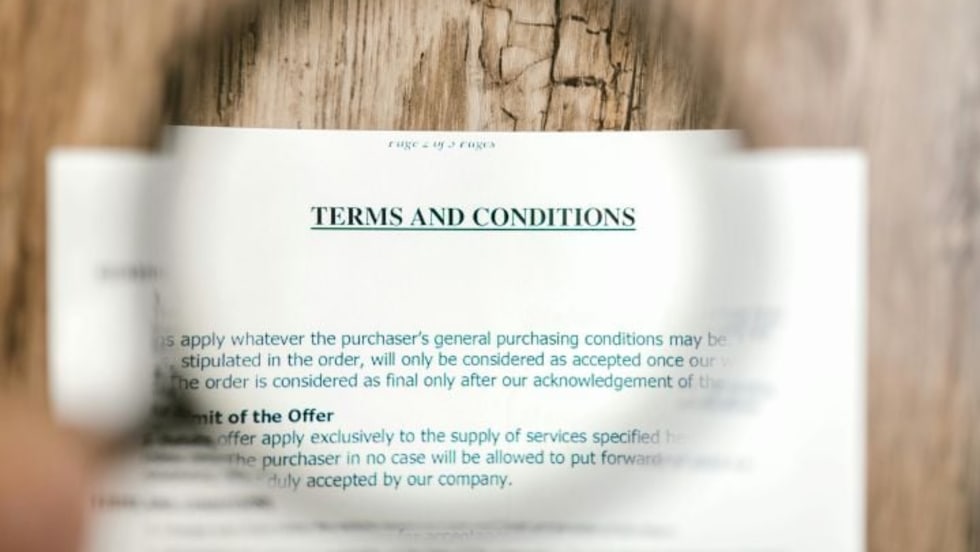
A major element of this effort should be carefully reviewing the transaction documentation with the customer from start to finish. The documents reflect the full understanding between dealer and customer. Such an effort shouts transparency and compliance.
Dealers need to show their customers “their papers” with all due diligence. The banjos will then strum a happier tune.
Terry O’Loughlin is director of compliance for Reynolds and Reynolds and is admitted to the Pennsylvania and Florida bars. Before joining Reynolds, he was employed by the Florida Office of the Attorney General, where he investigated automobile dealers and financing sources. He previously was a public accountant.
More Compliance

Variations on a Theme – Lease Packing
Dealers must be careful they don’t run afoul of the law when it comes to such deceptive practices, as there are many cases pointing to the potential bad ends of such deals.
Read More →
Your 10-Point Compliance Checklist
Identify areas of concern and opportunities for training by updating, installing and enforcing a compliance checklist that requires specific actions for sales, F&I and accounting.
Read More →
A Continuing Antediluvian Dealer Fraud: Payment Packing
The longtime illegal practice, which can take many forms, can get a dealer and its employees in deep trouble. It’s a good idea to determine if anyone in your stores is doing it and to weed it out if so.
Read More →
Line 1 Is Not a Junk Drawer
Rolling products into the cash price — even if the bank told you to — misrepresents the vehicle’s value and runs afoul of four federal laws.
Read More →
NADA and the Miracle on 34th Street
Automotive dealers should follow the National Automobile Dealers Association's consumer-friendly guidelines in order to minimize their legal risks.
Read More →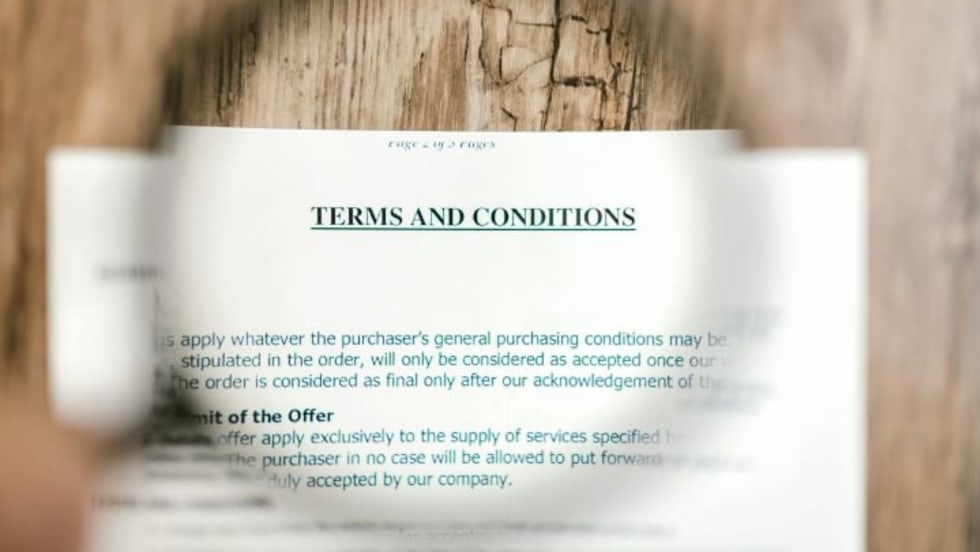
Another Look at a Recent Data Breach
Get caught up on the most pressing legal and regulatory matters facing dealers and F&I professionals, including data security, shotgun purchases, and inconsistent payment quotes.
Read More →

The Best Thing a Dealer Can Do to Avoid Legal Problems
Citing the issue is a strategy borrowed from the legal field itself.
Read More →
Fines of the Times
Civil penalties for noncompliance with federal auto retail and finance rules and regulations can add up quickly. Use this checklist to cover your bases.
Read More →