



Disbanding the 'Seven Car Club'
Sales expert lists three tasks dealers must complete to rid their showrooms of underperforming sales pros.
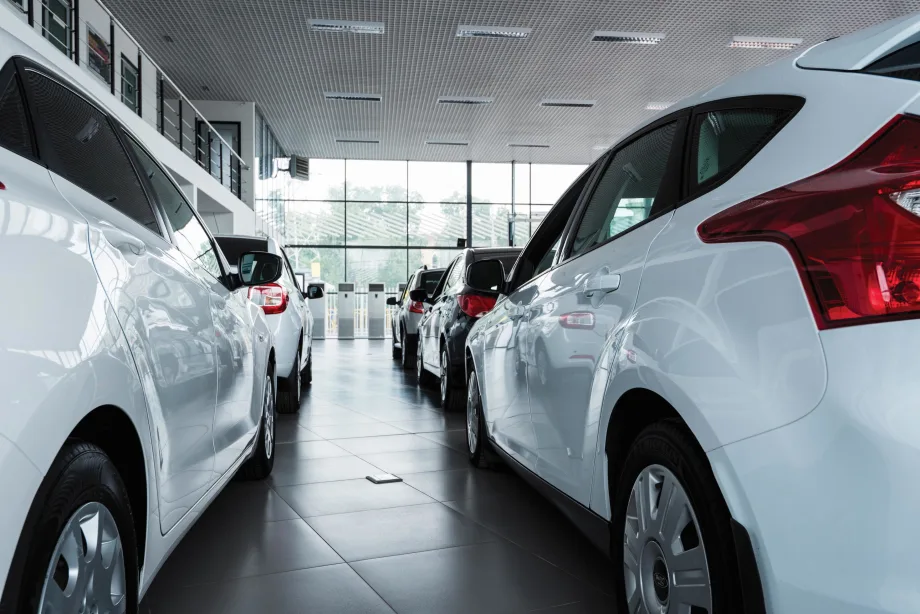
You have likely heard of the Seven Car Club theory if your dealership onboarding involves watching and learning from the comical, ’90s-style CarMind training videos. The theory posited that every dealership sales professional fits into one of the following three categories:
Overachievers shoot for 10-plus vehicle sales per month and are highly motivated and competitive individuals.
Underachievers are either new to sales, completely burned out, or happy with just a few sales per month.
Then there are those who belong to the Seven Car Club, selling an average of, well, seven cars per month.
According to a big data study performed by my company, the Seven Car Club is more than a theory. Its existence is proven. Seven is the average number of sales per person per month. Whether you are a dealer, a manager, or a sales pro, the realization that your sales are just average should reset your expectations and motivate you to push for improvement.
Many people believe that the overachievers, “the closers,” have an intrinsic ability — a sales-oriented personality and special talent — to close deals. To try to boost momentum and get underachievers to perform better, managers will often have new sales personnel shadow the overachiever to study his actions and pick up on his phrasing.
Our study analyzed aggregated data collected from tens of thousands of dealerships over the past five years, including response times, lead follow-up strategies, and the buying cycle. And what we discovered is that “overachiever emulation” is not necessarily the best way to train your sales pros, new or seasoned. The reason is sales success is not driven by personality traits and catchy phrases, but rather tasks and timing that can be adopted by your entire team.
According to our data, three tasks should be reviewed and improved upon to help sales teams close more leads:
1. Find the Response-Time ‘Sweet Spot.’
When it comes to response times, faster isn’t always better. Of the 20.7 million analyzed leads submitted to dealerships over the past five years, our study uncovered a curious outcome: The fastest responders with lead response rates under 15 minutes were not associated with the dealerships that enjoyed the highest closing rates.
To the contrary, data indicates that those who responded to leads within 16 to 30 minutes actually experienced the highest closing ratio of 5.4% — nearly 25% higher than those who responded in less than 15 minutes.

2. Have All Four Crucial Components in Place.
Further analysis of actual follow-ups indicated that the fastest responders had poor lead follow-up emails. Their responses, although quick, were often poorly written and missing at least one of four crucial components:
Multiple Vehicle Options: Ninety-five percent of the time, customers inquire about a specific vehicle rather than simply stating, “I’m interested in a Ford.” Address the buyer’s interests but also provide options and help your customer find a vehicle that best suits his or her individual situation and budget.
Personalization Is Key: Add a short observation to make a personal connection: “I noticed you live in Hill Valley, which is right around the corner. I would be happy to bring the vehicle out to you for a test drive.”
Third-Party References: More customers today are relying on third-party research and reviews. Don’t make them leave your website or potentially break the relationship to confirm or deny their choice. Provide the third-party reference in your follow-up: “Our internet price is $41,200 after rebates, below Edmunds True Market Value pricing.”
Push the Phone vs. the In-Store Visit: Your customers’ time is valuable. When closing your follow-up message, don’t ask them to visit the dealership to get more information. Push the phone call follow-up to discuss their options and set an appointment. That way, you can capture their attention, give them options, and get them ready for the sale.

3. Create an Appointment-Confirmation Process.
Our data also showed that top-performing dealers share another thing in common: When implementing a sales strategy, managers pushed their sales teams to focus on confirming (not just setting) more appointments.
There is a clear, well-known correlation between setting more appointments and closing more deals, but having a reliable appointment-confirmation process helps motivate sales teams to make more appointments in the first place. Dealers with good appointment-confirmation processes average over 150% more appointments per month, producing more sales and lower flooring costs.
Have a process in place to set the appointment, and then confirm the appointment 24 hours ahead of time. Measure sales teams’ success by number of appointments confirmed vs. number of appointments set, and you’ll be surprised at the increase in both.
So remember, take your time when following up with leads, include the four lead follow-up components in your emails, and create a solid appointment-confirmation process. In no time, your dealership will rid itself of the Seven Car Club label.
Reuben Muinos is senior director of business development for DealerSocket. Contact him at reuben.muinos@bobit.com.
More Auto Finance

Interest Rates Further Squeeze Auto Consumers
Last month’s hike and a potential second increase this month add to a growing list of inflation woes that could continue to dent overall car sales.
Read More →
Mind Your Process
Consistent steps taken in various aspects of the F&I office can make valuable differences over time, similar to an outline for a best-selling book.
Read More →
Top Five Credit Application Fraud Flags
Compliance audits regularly reveal bad habits that can lead to fraud charges and should have been stamped out decades ago.
Read More →
More Auto Loans for the Taking in August
Riskier categories were on the uptick for the month as lenders loosened access in several areas while balancing out the exposure in another, Cox Automotive reported.
Read More →
July Was Hot for Auto Borrowers
Credit proved readily available for many, but most loans left buyers in negative territory, Cox Automotive said.
Read More →
Dealer Lender Preferences Revealed
When lenders provide consistent, fast service, their overall satisfaction scores with dealers greatly improve, according to JD Power research.
Read More →
Auto Refi Savings Surge
Consumers with 84-month auto loan terms who refinanced saved the most on monthly payments, according to a new report by auto refinancing provider Caribou.
Read More →
Subaru Enters Lending Business
The automaker follows other brands in adding captive financing in the U.S., and says the move will strengthen its position here.
Read More →
Positive Equity Reaches Record High
Mainstream vehicle owners who bought a car seven years ago are likely to have positive equity when trading in for a new vehicle, according to second-quarter Edmunds data.
Read More →
Dealerships Are Paying the Price for Extended Car Loans
Growing negative-equity scenarios mean such lengthy terms should be addressed in a forward-looking way to make them work for the dealer and the consumer down the road.
Read More →