



Keys to the Sale
The cost to replace car keys is increasing as the technology embedded in them advances. The magazine’s F&I expert offers this primer for selling key replacement programs.
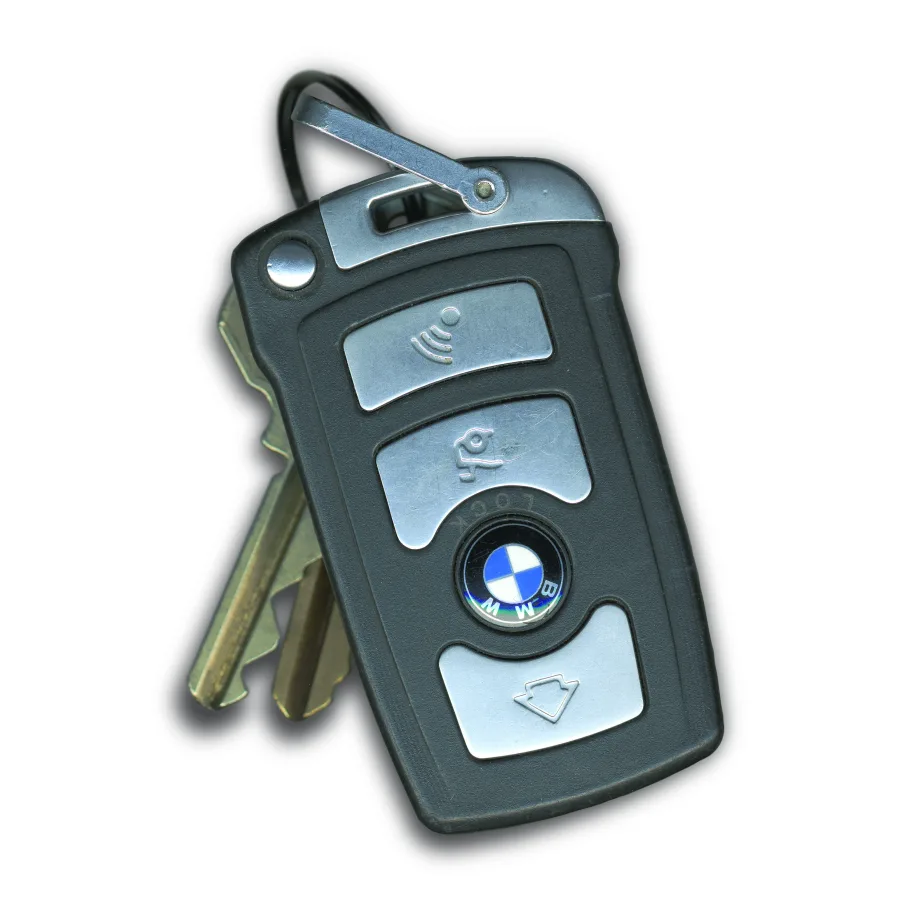
Just like the vinyl record gave way to the 8-track, cassette, CD and MP3, the simple metal car key customers could easily duplicate at the local hardware store is quickly being replaced by what is known as the “smart key.”
Automakers have made a number of technological advancements to the key of old. They started by installing computer chips in the key frame. Today, those chips are placed on key fobs that also feature keyless entry and remote-start functionality. Several highline vehicles now come with “perimeter” systems that detect the presence of the fob and allow the driver to start the vehicle with the push of a button.
Considering the high cost to replace or reprogram these technological wonders, it’s no surprise key replacement coverage has become a hot product in the F&I office.
Selling Beyond the Cost
So, how do you sell this coverage? First, provide customers with a rock-solid reason why they need the coverage. Do that by relaying the consequences of losing today’s smart key, not just the expense of replacing or repairing it.
The three most common objections to key replacement coverage are: “I never lose my keys,” “That’s what I have a spare key for” and “I don’t want to spend the extra money.” You can overcome those objections by asking questions that uncover the hardships of losing keys. But you must know everything about you dealership’s key replacement program. You need to demonstrate that the product is the answer to whatever problem the conversation uncovers.
Obviously, you will come up with your own pitch, but here’s a word-track you can build on and use once the customer declines the coverage: “I understand. It’s hard to justify the cost if you don’t see the value. To see if it would be cost effective, do you mind if I ask you a question?”
[PAGEBREAK]Once you have the customer’s OK, you can try the following questions to get the conversation started:
Question 1: “When are you most likely to lose your keys?” It’s a simple question with an obvious answer, but the real goal here is to get the customer talking. So, don’t be afraid to offer this reply when your customer answers: “Exactly, when you least expect it!”
Question 2: “What do you think happens when you lose your keys?” This is the question you use to make the customer aware they can’t get a replacement at the hardware store.
Question 3: “Do you know how much it costs to replace and reprogram your keys?” This is your chance to put a number on the true cost of replacing the key.
Question 4: “Other than the high cost to replace and program today’s smart keys, have you considered the emotional expense involved?” You need to make the inconvenience of replacing the key real in the customer’s mind.
Once the customer is aware of the inconvenience of replacing or repairing his or her key, it’s time to present your replacement coverage as the solution. If the customer still objects, here are techniques you can use to overcome his or her objection:
Objection 1: “I don’t want to spend the extra money” or “I never lose my keys.”
Objection 2: “That’s why I have a spare key.”
Rebuttal: “That’s a good point. Do you mind if I share something with you? One of the main benefits of the key replacement program is that, in addition to repairing or replacing your vehicle’s key or transponder, it will provide you with 24-hour vehicle- and home-lockout services. It also provides a road club membership that further reduces the cost and stress of losing or misplacing your keys.”
Objection 3: “If I lose one, I just won’t replace it.”
Rebuttal: “You could get by on one set, but there’s a financial consequence. One less key could hurt the value of your vehicle when it comes time to trade it in. Can you see how, for just a few dollars more, you can have the peace of mind in knowing you have access to some relief if you lose your keys?”
Once it’s clear the customer grasps the hardship identified through word-tracks and objection-handling techniques, it’s time to go for the close: “So, can you see how having the key replacement program may be of benefit to you and your family?” Happy selling!
Gerry Gould is director of training for United Development Systems Inc. He can be reached at gerry.gould@bobit.com.
More Auto Finance

Interest Rates Further Squeeze Auto Consumers
Last month’s hike and a potential second increase this month add to a growing list of inflation woes that could continue to dent overall car sales.
Read More →
Mind Your Process
Consistent steps taken in various aspects of the F&I office can make valuable differences over time, similar to an outline for a best-selling book.
Read More →
Top Five Credit Application Fraud Flags
Compliance audits regularly reveal bad habits that can lead to fraud charges and should have been stamped out decades ago.
Read More →
More Auto Loans for the Taking in August
Riskier categories were on the uptick for the month as lenders loosened access in several areas while balancing out the exposure in another, Cox Automotive reported.
Read More →
July Was Hot for Auto Borrowers
Credit proved readily available for many, but most loans left buyers in negative territory, Cox Automotive said.
Read More →
Dealer Lender Preferences Revealed
When lenders provide consistent, fast service, their overall satisfaction scores with dealers greatly improve, according to JD Power research.
Read More →
Auto Refi Savings Surge
Consumers with 84-month auto loan terms who refinanced saved the most on monthly payments, according to a new report by auto refinancing provider Caribou.
Read More →
Subaru Enters Lending Business
The automaker follows other brands in adding captive financing in the U.S., and says the move will strengthen its position here.
Read More →
Positive Equity Reaches Record High
Mainstream vehicle owners who bought a car seven years ago are likely to have positive equity when trading in for a new vehicle, according to second-quarter Edmunds data.
Read More →
Dealerships Are Paying the Price for Extended Car Loans
Growing negative-equity scenarios mean such lengthy terms should be addressed in a forward-looking way to make them work for the dealer and the consumer down the road.
Read More →