



Opinion: Dealers Must Prepare for Trump Tariffs
Dealers and manufacturers have a major stake in the outcome of the Trump administration’s new tariffs, starting with the pricing of vehicles and parts.
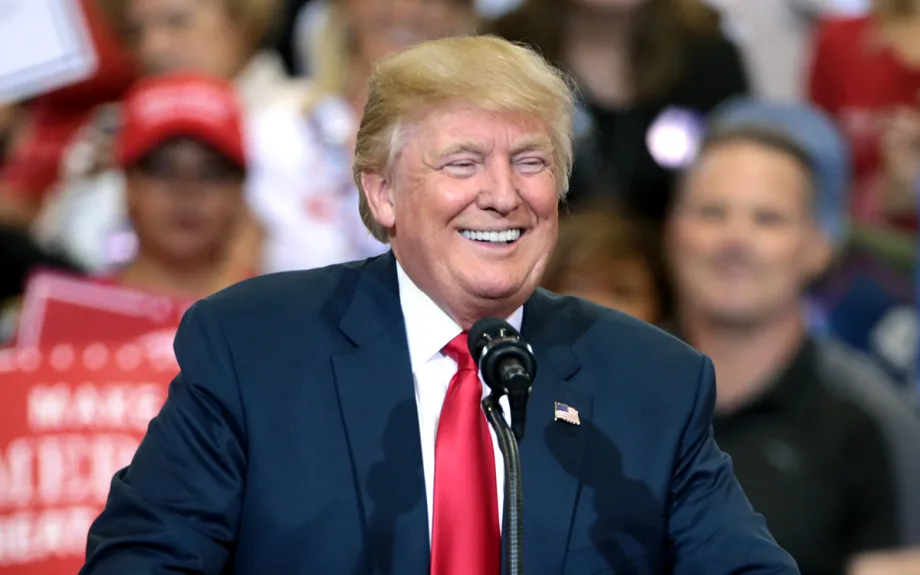
President Donald Trump has threatened to impose tariffs of up to 25% on foreign-branded vehicles sold in the U.S.
Photo by Gage Skidmore via Flickr
The presidency of Donald J. Trump has been making big waves in the automotive industry since his first day in office. But there are arguably more eyes on the retail and manufacturing sectors now than at any point during his tenure thus far. The reason is Trump’s decision to impose new tariffs on imported steel and aluminum and quite possibly on foreign-branded vehicles as well.
Manufacturers are paying particularly close attention to the tariffs and are overwhelmingly opposed to them. In an interview with NPR, Ann Wilson of the Motor and Equipment Manufacturers Association said, “Members have already been hit by steel and aluminum tariffs and retaliatory tariffs from China” and the “ongoing tariff fight will mean a slowdown and job cuts” in the automotive industry. Furthermore, even with new agreements being struck with the EU, the situation is still creating an uncomfortable and unclear ecosystem for auto manufacturers worldwide.
Regardless of circumstances, the factories and their dealer networks need to have the business infrastructure and resources in place to ensure success now and in the future. Here are three key areas of focus:
1. Pricing
Purchase price has been a primary topic of discussion in conversations surrounding the Trump tariffs. In fact, according to USA Today, some analysts are even predicting that the tariffs could raise the purchase price of vehicles by upwards of $5,000. Obviously purchase prices are directly tied to moving vehicles off the lot, and as consumers continue to own vehicles for longer periods of time, trade-ins could become sparser — especially if tariffs price them out of the market.
Car buyers were already testing alternative ways to access vehicles prior to any news about tariffs. Now, we can expect an increasing number of drivers to explore subscription-based models where they pay a monthly fee directly to the manufacturer to access to vehicles and cover insurance and maintenance. Brands like BMW, Cadillac, Mercedes-Benz, Porsche, and Volvo — in addition to third party providers — have already launched vehicle subscription services, and we are likely to see similar models from other leading automotive brands.
2. Service
Maintenance and repairs are already big revenue sources for dealerships today, but as more consumers keep their existing vehicles on the road for longer — and others explore subscription-based models — maintenance has become more important than ever. If service has long been a suboptimized area of your business, in times of economic uncertainty, it’s critical to ensure your steady streams of revenue are performing to their fullest potential.
This is not your responsibility to bear alone. Many manufacturers still adhere to the traditional, reactive, "break-and-fix" model. They must invest heavily in predictive analytics and IoT solutions to redefine the way they manage service. Because consumers are paying for access, automakers must stay ahead of demand and preemptively repair vehicles before they fail. Manufacturers that adopt sophisticated, cloud-based solutions and new business processes to optimize service parts inventory levels will maximize vehicle uptime, revenue, gross profits, and operational efficiency — and elevate the overall customer experience.
3. Parts
One of the biggest wild cards in the fallout from the Trump tariffs is not just what will happen to the prices of vehicles themselves, but the parts that comprise them. Unfortunately, there already is no shortage of gray market and online vendors encroaching on your parts sales. This trend will continue as pricing becomes a bigger factor in consumer purchasing decisions.
Too many manufacturers are still using outdated methods like cost-plus or simple spreadsheets to manage parts pricing. Competitively priced parts will become more important than ever. Expect more OEMs to adopt emerging technologies in that space as well.
Dealers and manufacturers are rightfully on edge about what might happen next in the ongoing Trump tariff saga. And given how fluid the situation is, we will have to keep our eyes and ears open for the foreseeable future. Meanwhile, you and your factories must do whatever it takes to maximize fixed ops revenue so you can weather the next challenge — tariff-related or otherwise.
Gary Brooks is CMO of Syncron. He is a 20-year marketing veteran with expertise in revenue-focused B2B campaigns. Contact him at gary.brooks@bobit.com.
Originally posted on Auto Dealer Today
More F&I

How AI-Powered Coaching Is Transforming F&I Performance
See how AI-powered coaching can turn F&I customer conversations into actionable insights that support compliance, performance and profitability
Read More →
Sell Value, Build Trust
In this video, Trent White explains why selling on value, not fear, builds lasting customer trust, reduces cancellations, and drives long-term success.
Read More →
F&I Sales Give Dealers First-Half Lift
Product business shored up total profits to avoid an overall revenue tanking as product penetrations held steady, StoneEagle reported.
Read More →
Targeted Training Drives Results
Today’s technology, instead of threatening F&I managers, can actually make them better, according to an industry veteran who’s watched market setbacks roil the unprepared.
Read More →
Double the Change, Double the Chance
When an F&I manager gets a customer refusal, it’s a wise move to tweak more than one thing in the product offering.
Read More →
Just Do It
F&I managers need training, but instead of resisting application or expecting perfection, they should improve by simply acting on what they learn.
Read More →
Dealer Lender Preferences Revealed
When lenders provide consistent, fast service, their overall satisfaction scores with dealers greatly improve, according to JD Power research.
Read More →
Leading with Purpose
In this video, Trent White explains how understanding your people’s 'why' is a key leadership responsibility of F&I professionals and how that mindset drives dealership engagement, trust and performance.
Read More →
Integrating Nontraditional F&I Products
The niche presents a strategic advantage for auto dealerships as they move to adapt to fast-changing consumer expectations in today’s market.
Read More →
Trust Is Personal
Technology, no matter how efficient, can’t replace what the human F&I manager can do, which is to bridge the divide between cyberspace and the in-store experience.
Read More →