



What is a Compliance Management System?
A CMS is the method by which a dealer manages the entire compliance process, including not only a compliance program, but also an audit function.

A CMS is the method by which a dealer manages the entire compliance process, including not only a compliance program, but also an audit function.
Years ago, the phrase compliance management system (CMS) rocked our world when the Consumer Financial Protection Bureau (CFPB) introduced a compliance program which included a CMS requirement for all financial institutions the bureau oversees. Dealerships had a leg up on how to create a CMS, as our industry was required to implement a similar program when developing a Safeguards program and then with the Red Flags Rule program.
A CMS is simply described as a structured approach to developing and implementing processes in each of the dealerships operations that are compliant with any state, federal, or industry standards requirements. Many dealers may have a CMS implemented in their dealership and not even realize their compliance efforts meet the criteria of a CMS.
A CMS is the method by which a dealer manages the entire compliance process, including not only a compliance program, but also an audit function.
The compliance program includes the dealerships policies and procedures. It outlines the laws, regulations, and provides potential litigation defenses the dealership employees need to adhere to.
The audit function is an independent test of the transactions and processes to determine the level of compliance to the laws, rules, regulations, as well as the policies and procedures, set forth by the dealership.
The process of implementing a CMS is like the five components required by the FTC in its guidance with the Safeguards Rule and The Red Flags Rule, which include:
Appoint a compliance officer
Conduct a risk assessment to gauge current practices
Develop policies and procedures to address compliance requirements
Provide and document employee training on the policies and procedures
Perform periodic audits to confirm continued compliance with the policies and procedures
A Sixth Component?
The Consumer Financial Protection Bureau has identified that an effective CMS must include an audit function. Their position is compliance should be part of the day-to-day responsibilities of dealership management. Management needs to identify any issues and take immediate corrective action. Though necessary, annual periodic audits do not fulfill the need to identify immediate compliance issues. This is because an annual audit identifies a snapshot in time, but it runs the risk of finding issues months later. Risk managers are starting to look at a sixth component, something closer to a continuous, real-time audit component. Continuous monitoring is a process used to detect compliance and risk issues over time. It tracks audits over time and detects weaknesses in the CMS.
More Blog Posts

Desking in a Rising Rate Environment
If a dealership is still buying Sharpies to complete paper Four Squares, you will probably find a higher percentage of packed payments or potentially discriminatory pricing.
Read More →
Unloading the Fair Credit Program
Compliance expert examines the Fair Credit Program and its influence on dealers.
Read More →
Why Implement a Compliance Checklist?
The effective and consistent use of a checklist improves the deal, improves your CITs and will help with your compliance controls.
Read More →
Manage the Red Flags Process, Not the Report
A dealership sold and financed a vehicle to an identity thief, even after seven red flags were identified. Truly managing the process means vetting and clearing any red flags before delivering the vehicle.
Read More →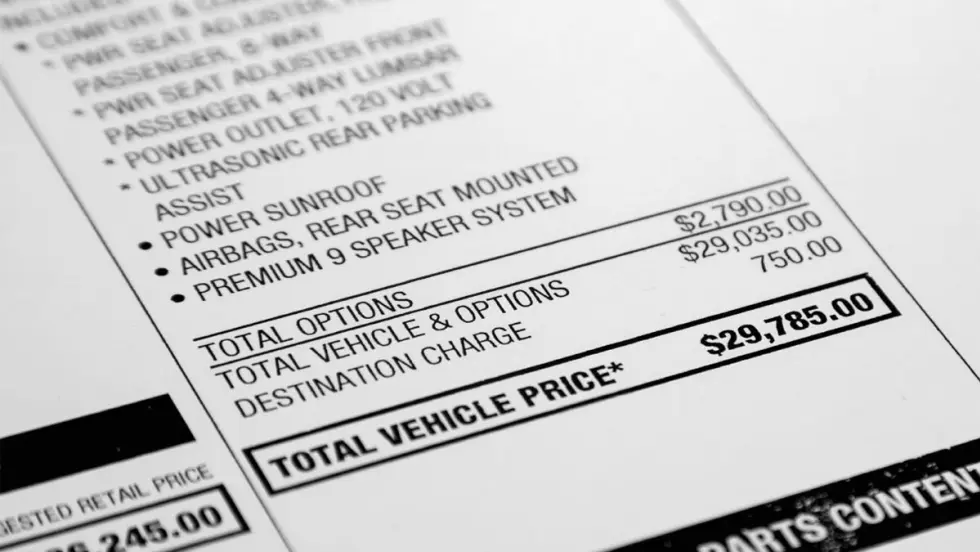
How to Charge More Than MSRP Without Getting Sued
You may sell a vehicle for more than the MSRP, but just be sure you do it right.
Read More →
The 5 Key Credit Determinants
There are five key credit determinants that lending institutions take into consideration when making the decision to extend credit.
Read More →
Can I Charge for a CPO?
All four of our currently available data points suggest that a dealer cannot charge a consumer for a CPO warranty at the point of sale.
Read More →
Credit Application 101
A compliant credit application process is a pivotal part of the job. Do not let the process slip or a dealership could find themselves in some deep water.
Read More →
Out of Dealership Delivery
We all know identity theft is running rampant across the nation, making it even more important for dealers to do their due diligence when it comes to the digital delivery process.
Read More →
Compliance Is Not a Program Du Jour
If you do not have a CMS and continuous monitoring in place now, today is a good day to start.
Read More →