



Facebook Responds to Critics With ROI Study
After taking fire from companies like General Motors about the ROI it delivers to advertisers, Facebook responded by issuing a new study that shows most advertisers turn around $3 for every $1 spent on its social networking site.
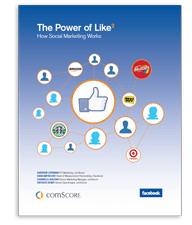
SAN FRANCISCO — Facebook ads promise a higher level of ROI than companies like General Motors have claimed, according to new data released by the social network in conjunction with comScore, a provider of digital business analytics.
According to the report, most advertisers (70 percent) are turning around $3 for every $1 spent. Almost half of the companies took in $5 for each dollar. The study, “The Power of Like 2,” focused on reach, brand resonance and sales.
Target was among the major brands researched. Fans who “like” the store’s page and their friends are 21 percent more likely to make a purchase there, according to the report. Similarly, Starbucks’ fans and friends were 38 percent more likely to buy something at Starbucks every four weeks than those who were not viewing the company’s marketing messages.
The study also delved into marketers who target certain time periods, such as holidays for advertising. For instance, Target saw 3.5 times more activity in the week ending Nov. 30 than the month prior. Official with Facebook said identifying a company’s key times to advertise is one strategy the site will continue to explore with its clients.
The report was issued weeks following GM’s announcement that Facebook ads were ineffective and that it was pulling out on its $10 million campaign with the social media network.
“(The findings) provide quantifiable evidence that earned media exposure can be valuable in influencing consumer behavior – and specifically the sort of behaviors that brands most want to induce, such as purchase,” Andrew Lipsman, author on the report, said on comScore’s website. “Secondly, they demonstrate that there is a latent branding effect that continues to drive increasing lift in purchase behavior weeks following exposure. Both of these conclusions provide more evidence that Facebook can be very valuable as a branding medium.”
To view the full report, click here.
More Auto Finance

Interest Rates Further Squeeze Auto Consumers
Last month’s hike and a potential second increase this month add to a growing list of inflation woes that could continue to dent overall car sales.
Read More →
Mind Your Process
Consistent steps taken in various aspects of the F&I office can make valuable differences over time, similar to an outline for a best-selling book.
Read More →
Top Five Credit Application Fraud Flags
Compliance audits regularly reveal bad habits that can lead to fraud charges and should have been stamped out decades ago.
Read More →
More Auto Loans for the Taking in August
Riskier categories were on the uptick for the month as lenders loosened access in several areas while balancing out the exposure in another, Cox Automotive reported.
Read More →
July Was Hot for Auto Borrowers
Credit proved readily available for many, but most loans left buyers in negative territory, Cox Automotive said.
Read More →
Dealer Lender Preferences Revealed
When lenders provide consistent, fast service, their overall satisfaction scores with dealers greatly improve, according to JD Power research.
Read More →
Auto Refi Savings Surge
Consumers with 84-month auto loan terms who refinanced saved the most on monthly payments, according to a new report by auto refinancing provider Caribou.
Read More →
Subaru Enters Lending Business
The automaker follows other brands in adding captive financing in the U.S., and says the move will strengthen its position here.
Read More →
Positive Equity Reaches Record High
Mainstream vehicle owners who bought a car seven years ago are likely to have positive equity when trading in for a new vehicle, according to second-quarter Edmunds data.
Read More →
Dealerships Are Paying the Price for Extended Car Loans
Growing negative-equity scenarios mean such lengthy terms should be addressed in a forward-looking way to make them work for the dealer and the consumer down the road.
Read More →