



FTC: Credit Freezes Are Now Free
The FTC issued a reminder that, starting today, consumers can freeze their credit and place one-year fraud alerts for free under the new Economic Growth, Regulatory Relief, and Consumer Protection Act.
WASHINGTON, D.C. — The Federal Trade Commission (FTC) issued a reminder that, starting today, consumers who are concerned about identity theft or data breaches can freeze their credit and place one-year fraud alerts for free.
Under the new Economic Growth, Regulatory Relief, and Consumer Protection Act, consumers in some states — those who previously had to pay fees to freeze their credit — will no longer have to do so. The new law also allows parents to freeze for free the credit of their children who are under 16, while guardians, conservators, and those with a valid power of attorney can get a free freeze for their dependents.
In addition, the new law extends the duration of a fraud alert on a consumer’s credit report from 90 days to one year. A fraud alert requires businesses that check a consumer’s credit to get the consumer’s approval before opening a new account.
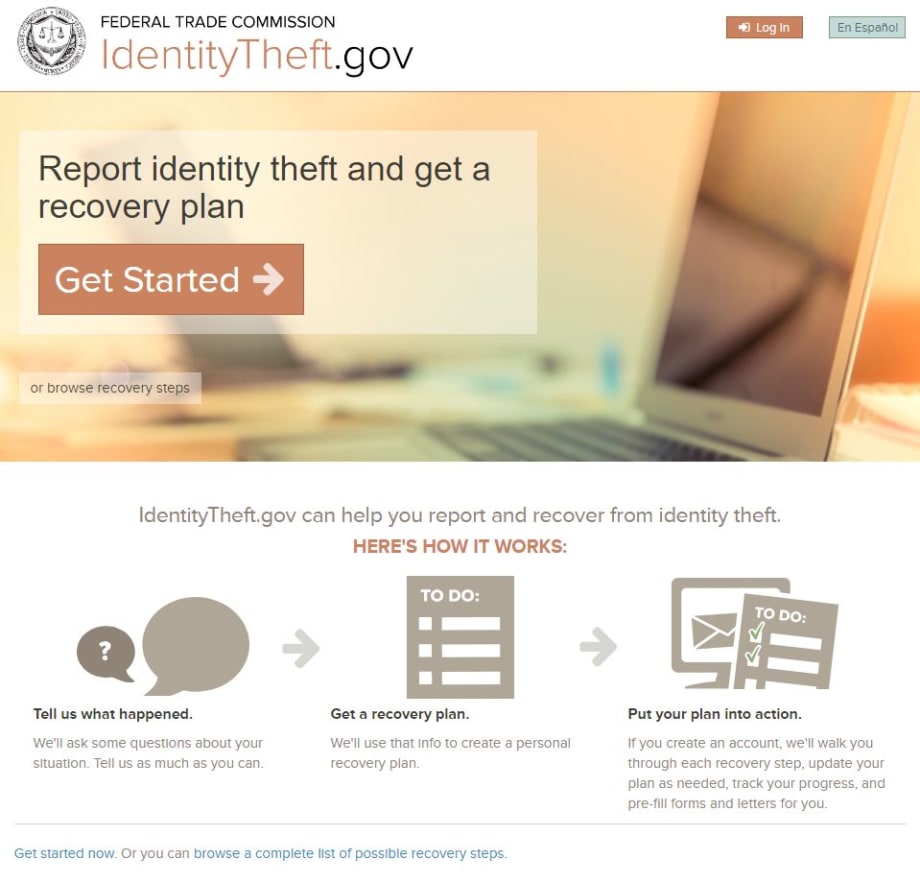
As part of its work to implement the new law, the Federal Trade Commission has updated its IdentityTheft.gov website with credit bureau contact information, making it easier for consumers to take advantage of the new provisions outlined in the law.
To place a credit freeze on their accounts, consumers will need to contact all three nationwide credit bureaus: Equifax, Experian, and TransUnion. Whether consumers ask for a freeze online or by phone, the credit bureau must put the freeze in place within one business day. When consumers request to lift the freeze by phone or online, the credit bureaus must take that action within one hour. If the request is made by mail, the agency must place or lift the freeze within three business days.
To place a fraud alert, consumers need only contact one of the three credit bureaus, which will notify the other two bureaus, according to the FTC.
“Credit freezes and fraud alerts are two important steps consumers can take to help prevent identity theft,” the regulator stated on its website. “Identity theft was the second biggest category of consumer complaints reported to the FTC in 2017 — making up nearly 14 percent of all the consumer complaints filed last year. Consumers who believe they have been the victim of identity theft can report it and receive a personalized recovery plan at IdentityTheft.gov.”
More F&I

Gitty Up on GAP
The foundational finance-and-insurance product hasn’t kept up with the latest conditions for auto dealers. Is the time ripe?
Read More →
How AI-Powered Coaching Is Transforming F&I Performance
See how AI-powered coaching can turn F&I customer conversations into actionable insights that support compliance, performance and profitability
Read More →
Sell Value, Build Trust
In this video, Trent White explains why selling on value, not fear, builds lasting customer trust, reduces cancellations, and drives long-term success.
Read More →
F&I Sales Give Dealers First-Half Lift
Product business shored up total profits to avoid an overall revenue tanking as product penetrations held steady, StoneEagle reported.
Read More →
Targeted Training Drives Results
Today’s technology, instead of threatening F&I managers, can actually make them better, according to an industry veteran who’s watched market setbacks roil the unprepared.
Read More →
Double the Change, Double the Chance
When an F&I manager gets a customer refusal, it’s a wise move to tweak more than one thing in the product offering.
Read More →
Just Do It
F&I managers need training, but instead of resisting application or expecting perfection, they should improve by simply acting on what they learn.
Read More →
Dealer Lender Preferences Revealed
When lenders provide consistent, fast service, their overall satisfaction scores with dealers greatly improve, according to JD Power research.
Read More →
Leading with Purpose
In this video, Trent White explains how understanding your people’s 'why' is a key leadership responsibility of F&I professionals and how that mindset drives dealership engagement, trust and performance.
Read More →
Integrating Nontraditional F&I Products
The niche presents a strategic advantage for auto dealerships as they move to adapt to fast-changing consumer expectations in today’s market.
Read More →