



KBB: New-Car Prices Up 2% in March
Fiat Chrysler and Toyota showed the greatest year-over-year improvement as prices and incentives gained ground last month.
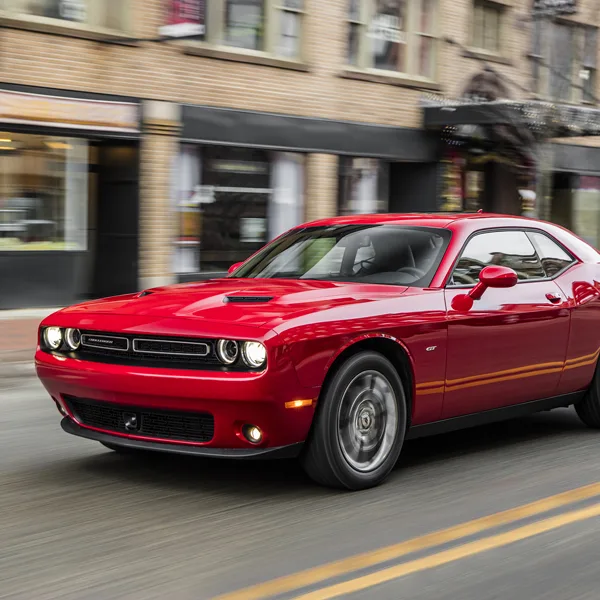
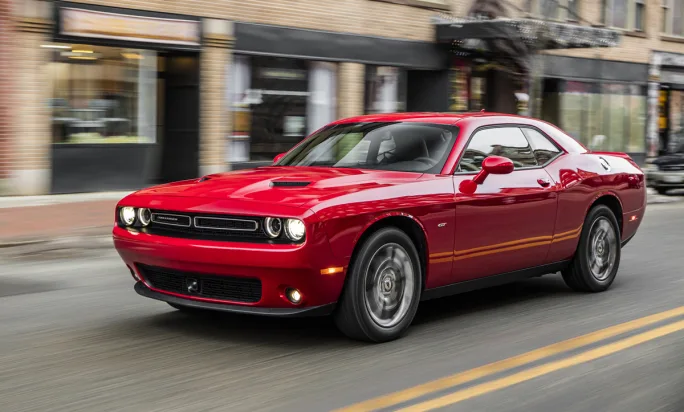
A 9% increase in transaction prices for the Dodge Challenger helped push Fiat Chrysler to a 3.3% year-over-year gain from March 2016. Photo courtesy Fiat Chrysler Automobiles
IRVINE, Calif. — Kelley Blue Book reported the estimated average transaction price for light vehicles in the United States was $33,666 in March 2016, a $645 increase from a year ago. On a month-over-month basis, transaction prices were flat.
“March average transaction prices reveal continued increases for nearly every manufacturer, with the industry average up 2% year-over-year,” said KBB analyst Tim Fleming. “While this may seem like good news for automakers and dealers, incentive spending continues to rise within the industry and offset part of this strength. Also, to afford the growing monthly payments, more consumers are financing these vehicles for 72 and 84 months, which will likely delay the purchase cycle for their next vehicle.”
Fiat Chrysler transaction prices had the largest percentage increase among the major automakers at 3.3% year-over-year growth. The Dodge brand jumped 5% on strong gains from the Challenger (up 9%) and Charger (up 7%), while the RAM brand grew 5% on a higher mix of pricier crew cab configurations for its pickup truck.
Toyota Motor Co. also had a great month, increasing average transaction prices by 3.1% year over year. The Toyota brand was up 4.7%, with increases on every model except the discontinued Venza. The Tacoma recoreded the largest increase at 11%. Additionally, Lexus was up 2.7%, with the new RX rising 6% to an average transaction price of $50,713. However, not all brands fared well.
“Volkswagen Group average transaction prices were down 4.5%, as all of its brands fell year over year,” said Fleming. “The Volkswagen brand fell the most, down 7%, as each model in its lineup was down from last year. The Jetta and Passat, two models affected by the brand’s diesel crisis, both were down 9%.”
For a complete listing of KBB’s March transaction prices by manufacturer, click here.
More Auto Finance

Interest Rates Further Squeeze Auto Consumers
Last month’s hike and a potential second increase this month add to a growing list of inflation woes that could continue to dent overall car sales.
Read More →
Mind Your Process
Consistent steps taken in various aspects of the F&I office can make valuable differences over time, similar to an outline for a best-selling book.
Read More →
Top Five Credit Application Fraud Flags
Compliance audits regularly reveal bad habits that can lead to fraud charges and should have been stamped out decades ago.
Read More →
More Auto Loans for the Taking in August
Riskier categories were on the uptick for the month as lenders loosened access in several areas while balancing out the exposure in another, Cox Automotive reported.
Read More →
July Was Hot for Auto Borrowers
Credit proved readily available for many, but most loans left buyers in negative territory, Cox Automotive said.
Read More →
Dealer Lender Preferences Revealed
When lenders provide consistent, fast service, their overall satisfaction scores with dealers greatly improve, according to JD Power research.
Read More →
Auto Refi Savings Surge
Consumers with 84-month auto loan terms who refinanced saved the most on monthly payments, according to a new report by auto refinancing provider Caribou.
Read More →
Subaru Enters Lending Business
The automaker follows other brands in adding captive financing in the U.S., and says the move will strengthen its position here.
Read More →
Positive Equity Reaches Record High
Mainstream vehicle owners who bought a car seven years ago are likely to have positive equity when trading in for a new vehicle, according to second-quarter Edmunds data.
Read More →
Dealerships Are Paying the Price for Extended Car Loans
Growing negative-equity scenarios mean such lengthy terms should be addressed in a forward-looking way to make them work for the dealer and the consumer down the road.
Read More →