



Luxury Sports Sedans Lose Favor in Secondary Lease Market
Swapalease.com’s Q1 latest report finds only 11.2% of lease-exchange customers favored luxury sports sedans in the first quarter, down from 17.7% in Q1 2018.

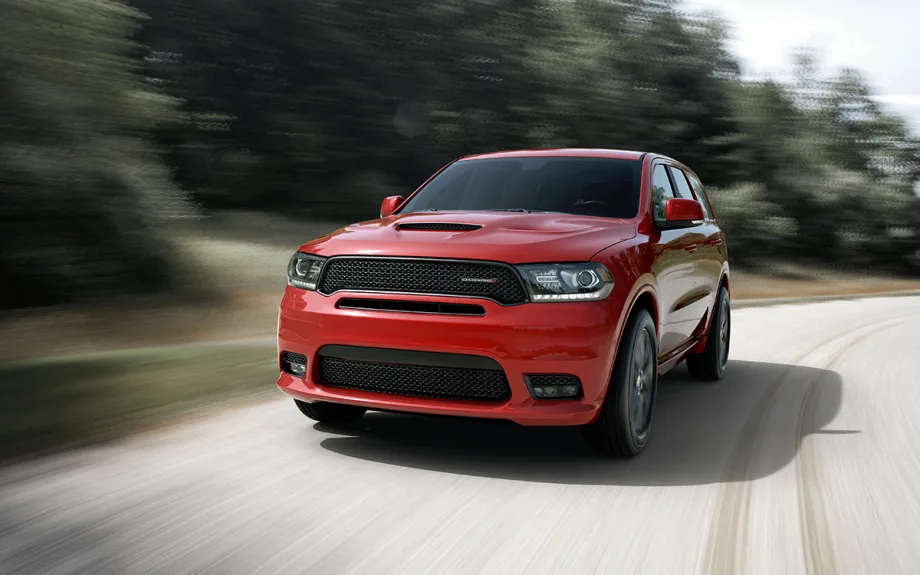
Interest in SUVs such as the Dodge Durango rose sharply at the expense of sports cars and luxury sedans in Swapalease.com’s Q1 report.
Photo courtesy Fiat Chrysler Automobiles
CINCINNATI — New data from Swapalease.com’s survey-based Q1 lease trends report shows the decades-long domination of the lease market by sports cars and luxury sedans may be over. When asked what type of lease they would most likely get into next, only 11.2% of consumers listed luxury sports sedans, down significantly from 17.7% a year earlier, while 37.7% listed SUVs, up sharply from 29.9% a year ago.
Among the reasons cited for exiting a lease early range from “change in income” (38.3%, up from 34.8% a year ago) to “change in family size” (13%, up from 8.1%). Fifteen percent of respondents said they are driving an average of 7,500 miles a year on their vehicle lease, up from only 10.4% of people indicating this level a year earlier. This is a possible indication that more people are utilizing ride sharing and food delivery services, and driving less for work, recreation and everyday household tasks, analysts said.
The Dodge, Honda, and Volkswagen brands saw a noticeable year-over-year increase. Ford and Nissan were among those seeing a decline. Searches for Ram vehicles increased by 93%.
“I don’t think many people will be surprised to see that SUVs are becoming more popular as a lease option,” said Scot Hall, executive vice president of Swapalease.com. “However, the luxury sports sedan has been a staple of leasing for decades, and it is yet another indication that the American appetite for vehicles continues to march toward SUVs and crossovers of all sizes.”
To read the report in its entirety, click here.
More Auto Finance

Interest Rates Further Squeeze Auto Consumers
Last month’s hike and a potential second increase this month add to a growing list of inflation woes that could continue to dent overall car sales.
Read More →
Mind Your Process
Consistent steps taken in various aspects of the F&I office can make valuable differences over time, similar to an outline for a best-selling book.
Read More →
Top Five Credit Application Fraud Flags
Compliance audits regularly reveal bad habits that can lead to fraud charges and should have been stamped out decades ago.
Read More →
More Auto Loans for the Taking in August
Riskier categories were on the uptick for the month as lenders loosened access in several areas while balancing out the exposure in another, Cox Automotive reported.
Read More →
July Was Hot for Auto Borrowers
Credit proved readily available for many, but most loans left buyers in negative territory, Cox Automotive said.
Read More →
Dealer Lender Preferences Revealed
When lenders provide consistent, fast service, their overall satisfaction scores with dealers greatly improve, according to JD Power research.
Read More →
Auto Refi Savings Surge
Consumers with 84-month auto loan terms who refinanced saved the most on monthly payments, according to a new report by auto refinancing provider Caribou.
Read More →
Subaru Enters Lending Business
The automaker follows other brands in adding captive financing in the U.S., and says the move will strengthen its position here.
Read More →
Positive Equity Reaches Record High
Mainstream vehicle owners who bought a car seven years ago are likely to have positive equity when trading in for a new vehicle, according to second-quarter Edmunds data.
Read More →
Dealerships Are Paying the Price for Extended Car Loans
Growing negative-equity scenarios mean such lengthy terms should be addressed in a forward-looking way to make them work for the dealer and the consumer down the road.
Read More →