



Nissan Raises Profit Outlook
The Japanese automaker forecasts operating profit for the fiscal year will hit 360 billion yen ($2.5 billion), up 100 billion yen from its July forecast.

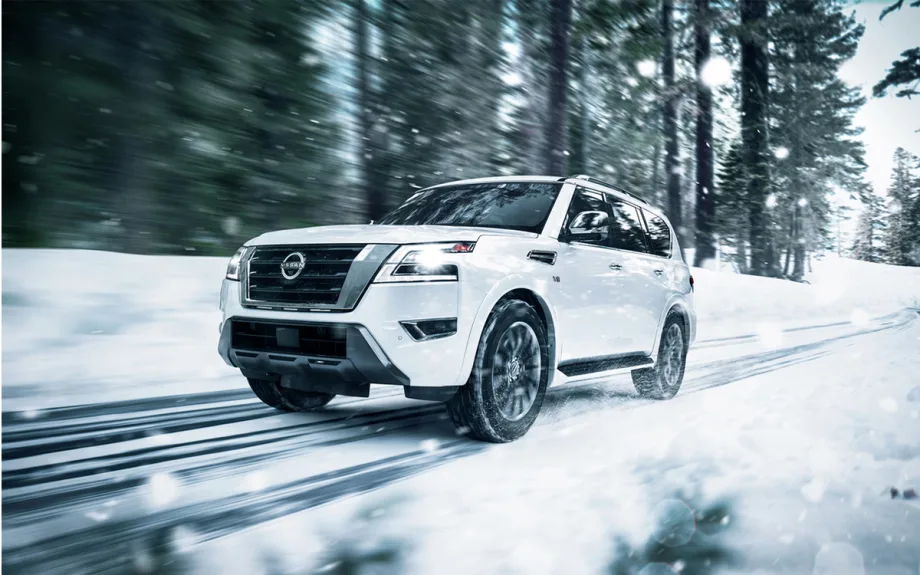
The Japanese automaker forecasts operating profit for the fiscal year will hit 360 billion yen ($2.5 billion), up 100 billion yen from its July forecast.
IMAGE: Nissan
A weak yen has buoyed Nissan Motor Co.’s profit outlook by boosting income amid a shortage of chips and supply-chain constraints that have curtailed production outputs.
The Japanese automaker forecasts operating profit for the fiscal year through March will hit 360 billion yen ($2.5 billion). That’s 100 billion more than the July forecast and exceeds analysts’ average estimate of 337 billion by 23 billion.
The yen’s historic decline has helped Japanese automakers as they face off against parts shortages and surging material costs. The currency slumped to a 32-year low against U.S. dollar in October and has lost about one-fifth of its value in the last 12 months. The decline makes Japanese vehicle exports more competitive abroad and boosts international earnings.
Nissan did revise its yen-dollar assumption for the year to 135 from 120 yen.
“Volatile currency movements cause various issues, and we would prefer more stability,” Chief Executive Officer Makoto Uchida noted in a press conference.
The forecast boosts expected revenue for the fiscal year to 10.9 trillion from the 10 trillion yen estimated previously, the automaker reported. Nissan did lower its global vehicle sales target from 4 million units to 3.7 million units. Bloomberg Intelligence analyst Tatsuo Yoshida suggests the new target means Nissan will need to assemble 2.13 million vehicles in the second fiscal half. This is doable if production stays on track, is a target that could be easy to miss, he says.
Nissan shares have fallen 11% this year. The automaker is considering raising its dividend.
Operating profit in the second quarter hit 91.7 billion, compared with analysts’ average estimate of 85 billion. Sales rose 30% from 2021 in the latest quarter to 2.52 trillion yen.
Nissan’s alliance partner Renault SA recently reported that talks to reboot a two-decade-old alliance continue, even after the French carmaker moved ahead with plans to carve out its electric vehicle (EV) business.
Honda Motor Co. also has raised its profit outlook because of similar factors. Toyota Motor Corp. has lowered its production targets because of the semiconductor chip shortage while sticking to a conservative profit outlook. Mitsubishi Motors Corp., part of the alliance with Nissan and Renault, also upgraded its operating profit target.
Originally posted on Auto Dealer Today
More Auto Finance

Interest Rates Further Squeeze Auto Consumers
Last month’s hike and a potential second increase this month add to a growing list of inflation woes that could continue to dent overall car sales.
Read More →
Mind Your Process
Consistent steps taken in various aspects of the F&I office can make valuable differences over time, similar to an outline for a best-selling book.
Read More →
Top Five Credit Application Fraud Flags
Compliance audits regularly reveal bad habits that can lead to fraud charges and should have been stamped out decades ago.
Read More →
More Auto Loans for the Taking in August
Riskier categories were on the uptick for the month as lenders loosened access in several areas while balancing out the exposure in another, Cox Automotive reported.
Read More →
July Was Hot for Auto Borrowers
Credit proved readily available for many, but most loans left buyers in negative territory, Cox Automotive said.
Read More →
Dealer Lender Preferences Revealed
When lenders provide consistent, fast service, their overall satisfaction scores with dealers greatly improve, according to JD Power research.
Read More →
Auto Refi Savings Surge
Consumers with 84-month auto loan terms who refinanced saved the most on monthly payments, according to a new report by auto refinancing provider Caribou.
Read More →
Subaru Enters Lending Business
The automaker follows other brands in adding captive financing in the U.S., and says the move will strengthen its position here.
Read More →
Positive Equity Reaches Record High
Mainstream vehicle owners who bought a car seven years ago are likely to have positive equity when trading in for a new vehicle, according to second-quarter Edmunds data.
Read More →
Dealerships Are Paying the Price for Extended Car Loans
Growing negative-equity scenarios mean such lengthy terms should be addressed in a forward-looking way to make them work for the dealer and the consumer down the road.
Read More →