



President Trump Orders Review of Dodd-Frank
President Donald Trump took his first step toward making good on his promise to dismantle the Dodd-Frank Wall Street Reform and Consumer Protection Act, signing on Friday an executive order directing the secretary of the Treasury to review the 2010 financial oversight law.

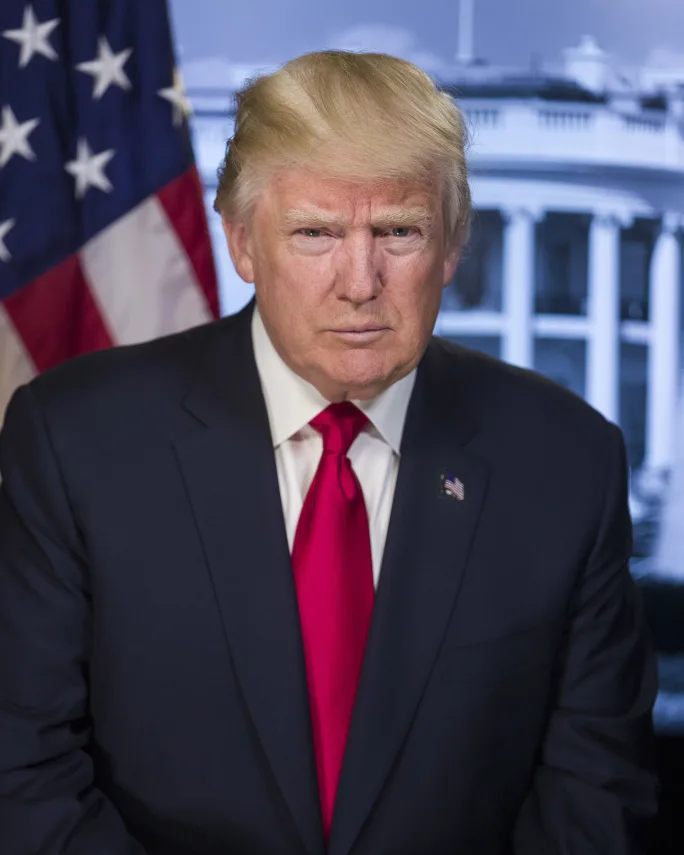
WASHINGTON, D.C. — President Donald Trump took his first step toward making good on his promise to dismantle the Dodd-Frank Wall Street Reform and Consumer Protection Act, signing on Friday an executive order directing the secretary of the Treasury to review the 2010 financial oversight law.
The order directs the Treasury secretary to consult with members of regulatory agencies and the Dodd-Frank-created Financial Stability Oversight Council and report back to the president within 120 days (and periodically thereafter). The report, and all subsequent reports, will identify any laws and regulations that inhibit federal regulation of the U.S. financial system.
“Today we’re signing core principles for regulating the United States financial system,” Trump said after signing the order. “It doesn’t get much bigger than this, right?”
The core principles his order lays out include regulations that “empower Americans to make independent financial decisions”; prevent taxpayer-funded bailouts; foster economic growth; enable American companies to be competitive in domestic and foreign markets; advance American interests in international financial regulatory negotiations; and “restore public accountability within federal financial regulatory framework.”
“The Dodd-Frank Act is a disastrous policy that’s hindering our markets, reducing the availability of credit, and crippling our economy’s ability to grow and create jobs,” said White House Press Secretary Sean Spicer during a press briefing. “Perhaps worst of all, despite all of its overreaching, Dodd-Frank did not address the causes of the financial crisis, something we all know must be done.”
Enacted in response to the Great Recession, the Dodd-Frank Act created new regulations along with several new government enforcement agencies, including the Consumer Financial Protection Bureau (CFPB). While Trump’s order isn’t expected to have an immediate impact, it does set the stage for Trump to fulfill his campaign promise to repeal and replace the act. The likely replacement bill is the Financial CHOICE Act of 2016, which was introduced last year by Rep. Jeb Hensarling (R-Texas). It stands for “Creating Hope and Opportunity for Investors, Consumers and Entrepreneurs.”
“I’m very pleased that President Trump signed this executive action, which closely mirrors provisions that are found in the Financial CHOICE Act to end Wall Street bailouts, end ‘too big to fail,’ and end top-down regulations that make it harder for our economy to grow and for hardworking Americans to achieve financial independence,” said Hensarling. “Dodd-Frank failed to keep its promises, but President Trump is following through on his promise to the American people to dismantle Dodd-Frank. Republicans are eager to work with the president to end and replace the Dodd-Frank mistake …”
Repealing Dodd-Frank, however, doesn’t necessarily mean the CFPB will be eliminated, as it exists independent of the law that created it. However, regulatory insiders say passage of the Financial CHOICE Act could weaken the bureau. A federal appellate court also ruled the bureau’s single-director structure unconstitutional this past October, giving the president the power to remove Director Richard Cordray at will. The CFPB is appealing that decision.
Asked during Friday's press briefing if the administration planned to keep Cordray, Spicer said he didn’t have an announcement on the bureau. “That’s an area that we need to work with Congress on,” he said.
More F&I

AI: Facilitator, Not Fixer, in F&I
The dealerships that thrive in the years ahead will be those that embrace technology while continuing to invest in the people who make customer interactions count.
Read More →
Modern Technology Objection Handling
In this video, Trent White shares how to confidently handle technology-based objections by helping customers understand the value of protection, even with modern vehicle technology.
Read More →
Consistency at Scale: Driving F&I Performance
With 75 rooftops across the Sunshine State, Morgan Auto Group has proven to Floridians that it knows a thing or two about driving performance in a competitive market. But it didn’t start at the top.
Read More →
Gitty Up on GAP
The foundational finance-and-insurance product hasn’t kept up with the latest conditions for auto dealers. Is the time ripe?
Read More →
How AI-Powered Coaching Is Transforming F&I Performance
See how AI-powered coaching can turn F&I customer conversations into actionable insights that support compliance, performance and profitability
Read More →
Sell Value, Build Trust
In this video, Trent White explains why selling on value, not fear, builds lasting customer trust, reduces cancellations, and drives long-term success.
Read More →
F&I Sales Give Dealers First-Half Lift
Product business shored up total profits to avoid an overall revenue tanking as product penetrations held steady, StoneEagle reported.
Read More →
Targeted Training Drives Results
Today’s technology, instead of threatening F&I managers, can actually make them better, according to an industry veteran who’s watched market setbacks roil the unprepared.
Read More →
Double the Change, Double the Chance
When an F&I manager gets a customer refusal, it’s a wise move to tweak more than one thing in the product offering.
Read More →
Just Do It
F&I managers need training, but instead of resisting application or expecting perfection, they should improve by simply acting on what they learn.
Read More →