



Study: Danger of Driverless Vehicles Grows With Time
Researchers at two Texas universities say drivers of autonomous vehicles are less likely to successfully avoid hazards undetectable by technology the more time they spend behind the wheel.

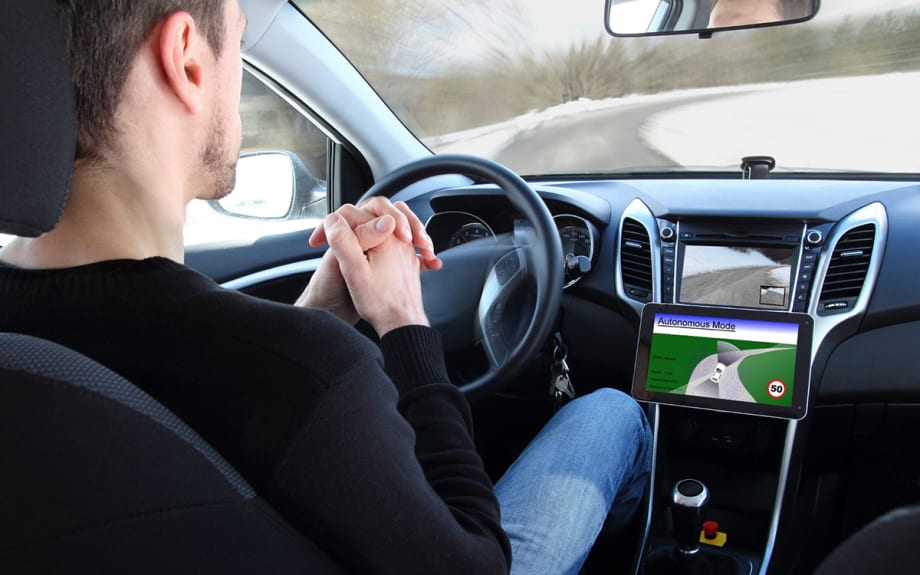
A driver’s ability to react to hazards undetectable to autonomous vehicles fell by as much as 21% after 40 minutes in simulator testing conducted by researchers from Rice University and Texas Tech.
Photo courtesy Rice University
HOUSTON — New research from Rice University and Texas Tech University has found that drivers often fail to spot hazards missed by automated vehicles, and it only gets worse the longer drivers ride in them. The study, “Driver Vigilance in Automated Vehicles: Effects of Demands on Hazard Detection Performance,” was co-authored by David Newton, a graduate student at Texas Tech, and will appear in an upcoming edition of Human Factors.
The researchers examined the behavior of 60 licensed drivers operating an automated car in a simulator. Participants were told they would not need to steer, brake, or accelerate. They were instructed to monitor the roadway for vehicles that were stopped dangerously at intersections and intruding into the driver’s lane, which constituted a hazard that automated vehicles could not detect. Participants also had to distinguish between vehicles that were safely stopped and dangerously stopped at intersections.
By the end of the 40-minute simulation, the drivers’ accuracy dropped by 7% to 21%. The highest score was just less than 88%, suggesting that all drivers missed at least some hazards.
Pat DeLucia, a professor of psychological sciences at Rice and the study’s co-author, said one possible explanation is that people get used to cars doing the driving and become complacent. Coupled with previous research that indicated people are “terrible” at monitoring for occasional hazards, the new study “suggests that this phenomenon of difficulty monitoring effectively over time extends to monitoring an automated car,” DeLucia said.
Originally posted on Auto Dealer Today
More Showroom
Dealers a Little Down
A third-quarter Cox Automotive survey finds them in a mixed mood, bummed by fallen customer traffic but encouraged by better profits, costs and EV interest.
Read More →
European EV Sales Skyrocket
The EV market on the continent held strong in July with almost 25% of new-car sales being fully electric units, a stark contrast to the U.S., where EV sales declined about 42%.
Read More →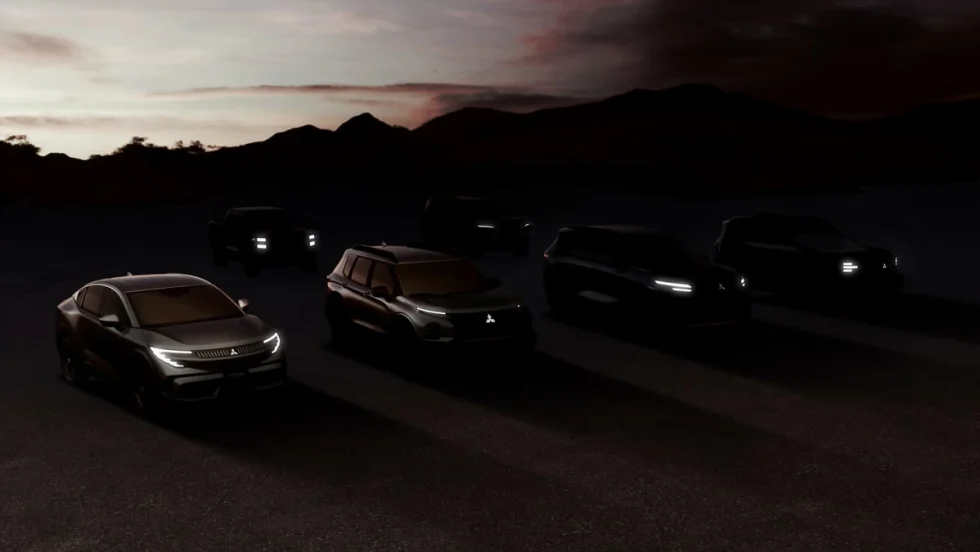
Mitsubishi Unveils U.S. Plan
The automaker announced a strategy that includes an expanded lineup and dealership presence, along with more ‘rugged’ and electric models.
Read More →
Used Lots Getting the Business
Many consumers are seeking out the units to save money, and the demand – higher in July than normal – is keeping supply limited and prices up.
Read More →
Used Market Stabilizes
The Carfax Used Car Index noted a major drop in used-vehicle price increases in July after several months of hikes.
Read More →
California Hybrids Reach State Record
The Golden State still leads the country in electric-vehicle registrations, but much like the rest of the U.S. its hybrid market share is up while full electrics stabilize after a dramatic first-quarter dip.
Read More →
My Mercedes in the U.S.
The German brand debuted its studio dealership concept for the first time in the states in Los Angeles, tapping Americans’ penchant for creative distinctions.
Read More →
Used Sales Hit Summer Drag
The vacation season, combined with high prices, has dented deliveries and added to inventories, though supply is still slim enough to keep listings elevated.
Read More →
California Launches EV Rebate Program
Participating automakers are matching the state's $13.5 million investment in new electric-vehicle rebates scheduled to take effect later this summer.
Read More →
OEM Poll Sees Industry Evolution
Kerrigan Advisors’ survey of automakers finds that tariffs, technology, network tightening and other factors are poised to reshape auto retail.
Read More →