



Survey: 60% of Dealers Say New-Car Profits Declining
A survey-based report from MAXDigital crystallizes the need for dealers to focus on profit opportunities created by trade-ins and other pre-owned vehicles.

MAXDigital’s third annual dealer survey finds multiple gaps in profit opportunities relating to pre-owned units, including trade-ins.
Photo courtesy MAXDigital
CHICAGO — Dealer software provider MAXDigital released its third annual dealer research study on the subject of profitability and sales processes. In conjunction with Erickson Research, MAXDigital surveyed more than 430 dealers across the United States in late 2018.
Key findings from the research include:
New-car profits are shrinking: 60% of dealers in the study reported new car profits were down the past two years, by an average of $170 per vehicle.
Used cars are more profitable: Dealers reported higher profits on used vehicles compared to new. This is consistent with current NADA trends.
Used car median profit: $1,500 to $1,999 compared to new-car median profit of $500 to $999.
Trade-ins are an untapped profit source. Just 15% of dealers said the trade-in was a top profit source. And less than half of dealers are under allowing on the trade-in, with an average of just $250 per vehicle.
Dealers are discounting away profits. 65% of dealers said they negotiate more than $500 off the listed vehicle price. This is up 9% from MAXDigital’s 2017 study.
Analysts suggested dealers focused on process change, a concept to which 45% of respondents were open. Dealers agreed regular training for sales staff was the biggest opportunity to increase profitability, seven in 10 respondents reporting their salespeople have told them they don’t have enough training or information.
“It’s tougher than ever to capture gross profits in today’s market, but this study shows that profits can be made by looking in the right places: trade-ins and pre-owned,” said MAXDigital’s executive vice president, Mike Cavanaugh. “To capture more gross, dealers need to treat trade-ins with the same level of importance as the front and back end, and make preowned a priority.”
To view the report in its entirety, click here.
Originally posted on Auto Dealer Today
More Showroom
Dealers a Little Down
A third-quarter Cox Automotive survey finds them in a mixed mood, bummed by fallen customer traffic but encouraged by better profits, costs and EV interest.
Read More →
European EV Sales Skyrocket
The EV market on the continent held strong in July with almost 25% of new-car sales being fully electric units, a stark contrast to the U.S., where EV sales declined about 42%.
Read More →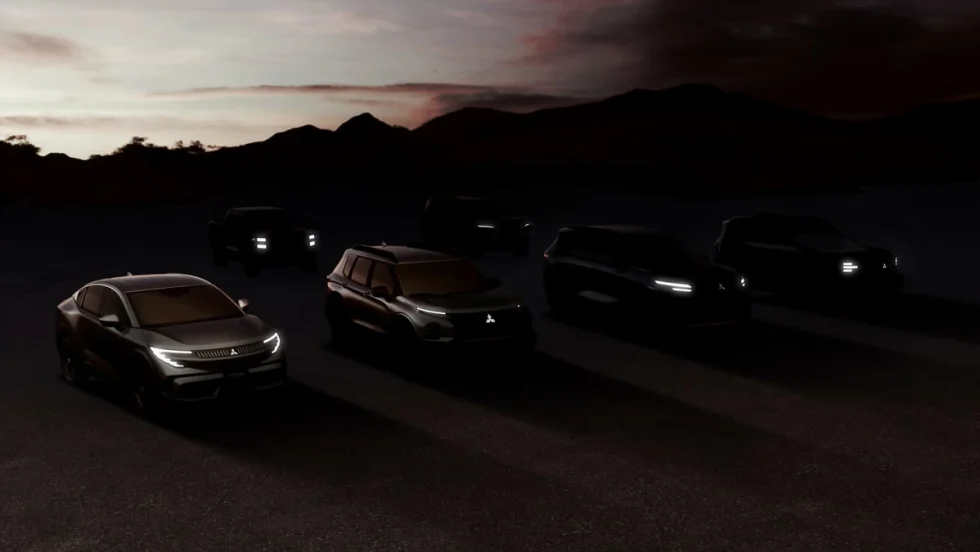
Mitsubishi Unveils U.S. Plan
The automaker announced a strategy that includes an expanded lineup and dealership presence, along with more ‘rugged’ and electric models.
Read More →
Used Lots Getting the Business
Many consumers are seeking out the units to save money, and the demand – higher in July than normal – is keeping supply limited and prices up.
Read More →
Used Market Stabilizes
The Carfax Used Car Index noted a major drop in used-vehicle price increases in July after several months of hikes.
Read More →
California Hybrids Reach State Record
The Golden State still leads the country in electric-vehicle registrations, but much like the rest of the U.S. its hybrid market share is up while full electrics stabilize after a dramatic first-quarter dip.
Read More →
My Mercedes in the U.S.
The German brand debuted its studio dealership concept for the first time in the states in Los Angeles, tapping Americans’ penchant for creative distinctions.
Read More →
Used Sales Hit Summer Drag
The vacation season, combined with high prices, has dented deliveries and added to inventories, though supply is still slim enough to keep listings elevated.
Read More →
California Launches EV Rebate Program
Participating automakers are matching the state's $13.5 million investment in new electric-vehicle rebates scheduled to take effect later this summer.
Read More →
OEM Poll Sees Industry Evolution
Kerrigan Advisors’ survey of automakers finds that tariffs, technology, network tightening and other factors are poised to reshape auto retail.
Read More →