



Fraud Impact Grows in Business World
U.S. company losses mounted last year, outpacing global impact.


The highest percentage of U.S. fraud scheme instances came in account takeovers at 31%.
Pexels/RDNE Stock Project
U.S. businesses are taking a 10% hit to their revenue due to fraud losses, recent research shows.
The average impact in the past year, which surpassed global company losses of 8%, totaled $114 billion, based on a survey of 200 U.S. businesses, TransUnion reported.
The highest percentage of fraud scheme instances here came in account takeovers at 31%, according to the consumer credit reporting agency. That was followed by synthetic identity fraud events at 24% and scams/authorized frauds at 23%. Other categories included first-party application fraud at 13% and third-party application fraud at 10%.
Business fraud losses rose 46% year-over-year in the U.S. as fraudsters’ racheted up their tactics, according to the survey, which in turn points up the need for owners to employ a more focused and advanced defense. More such criminals are finding new ways stealing credentials and bypassing authentication systems, TransUnion said.
“Fraudsters are exploiting every digital touchpoint, from account creation to login and transaction,” said TransUnion’s head of fraud, Steve Yin. “The growing sophistication of fraudsters demands a proactive investment in layered security and identity intelligence. In today’s threat landscape, protecting customer accounts is not just a priority—it’s a business imperative."
More Industry
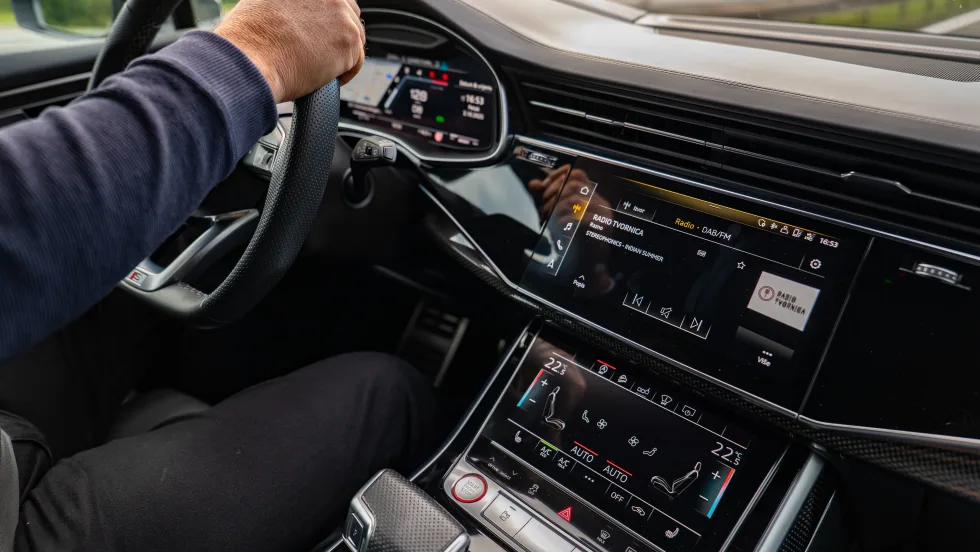
Connection Drives Consideration
Convenience and safety are top priorities for American drivers when it comes to connected vehicles and the services they expect with their next car.
Read More →
New-Vehicle Prices Stay Put
Affordability pressures and model availability shaped new-vehicle sales in September, according to an analysis by Kelley Blue Book.
Read More →
EV Buyer Consideration Shifts
What drives American consumers to purchase an electric vehicle is shifting as the question moves away from Should I?' to 'Which features and experience do I want to have?'
Read More →
Auto Nameplate Loyalty Holds in Tough Times
Consumers have been faithful to brands despite financial pressures, and JD Power says that’s because automakers have made some wise moves.
Read More →
Top New Jersey RV Store Sells
Myer’s RV Superstore is expanding its footprint in the state with two new locations that it acquired from Ed Hutchinson Jr.
Read More →
Alliance Analyzes Technician Pipeline
A new industry report examines the state of skilled trades in the U.S. and details the drivers of demand for automotive repair and how technicians enter and grow in the workforce.
Read More →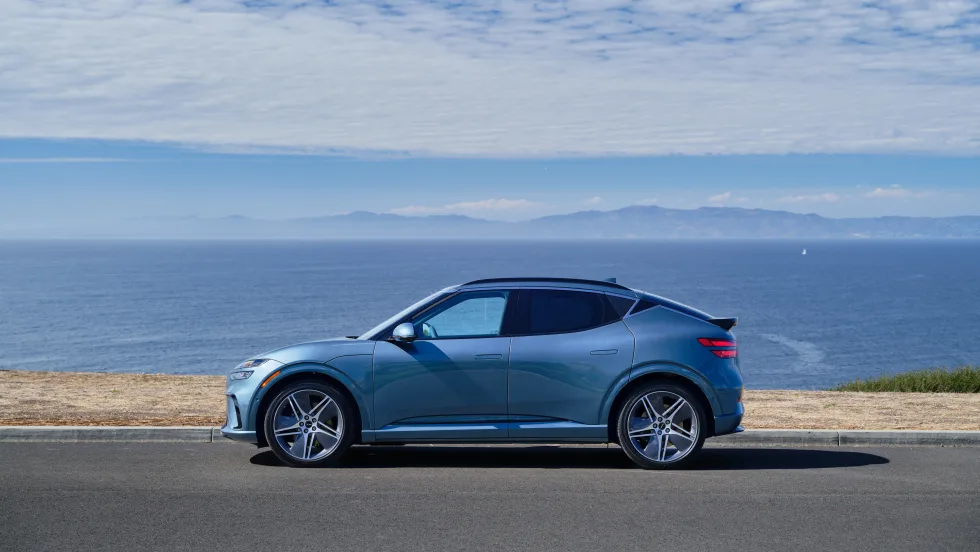
Luxury Rooftop Changes Hands
Genesis of Glenview is getting a new owner and a new location, but its name will stay the same.
Read More →
Future-Proof Your Business
A new industry outlook details several ways that automotive companies can use the rise in artificial intelligence and advanced technologies to their advantage.
Read More →
Dealership Buy-Sells Keep Going Up
First-half transactions reflect continued high appetite for acquisitions despite falling profits, the most sought-after franchises bringing record prices.
Read More →
California Makes Electric Moves
New laws in the Golden State aim to advance consumer access to public electric-vehicle chargers and reduce costs and barriers to its infrastructure.
Read More →