



China as Pacesetter
Automotive leaders huddled on where North America stands in the global picture and how it can strengthen its position against the Asian juggernaut’s surging industry.


Pexels/Teresa Wang
China’s automotive industry has become the competitor North America’s counterpart must now try to catch up with. A recent conference of domestic players discussed how to go about it.
The nonprofit Center for Automotive Research convened U.S. and Canadian auto industry leaders to consider China’s position and how the North American allies can get in line with “China Speed,” as the roundtable was called.
The event’s intent was to assess China’s position in automotive and how North America’s auto industry can respond to its growing presence. Participants agreed that trade tariffs and other protectionist approaches won’t be enough to keep up.
The discussion identified a mix of factors that fuel China’s auto industry, not just an abbreviated product-development cycle.
Other sources of grease to what’s been the world’s biggest auto industry for nearly 20 years include government industrial policy, plenty of capital, streamlined decision-making, local materials sourcing, vertical integration and digital-first vehicle development, according to the center.
“It reflects a coordinated system designed to move quickly and build scale,” said center President and CEO Elizabeth Krear. “North America does not need to replicate that system, but it must become more intentional about reducing complexity, accelerating collaboration and investing in the capabilities that will define the next generation of automotive leadership.”
Participants compiled a list of responses North America’s industry and governments should pursue to stay in the game with China:
- Use of artificial intelligence, machine learning and other technologies to make faster development decisions
- More collaborative research in auto technologies, including advanced manufacturing, batteries and connectivity
- More benchmarking of Chinese automakers and North American startups to “challenge legacy assumptions and identify more efficient practices”
- Develop standards for auto cybersecurity, connected-vehicle data and safety and supply chain transparency
- Continue to develop strengths in advanced automation, software, engineering, AI and regional innovation
“North America has the engineering talent, technology base and innovation capacity to compete,” Krear said. “The challenge is translating those strengths into faster execution.”
DIG DEEPER: Chinese Cars Anyone?
More Industry
Connection Drives Consideration
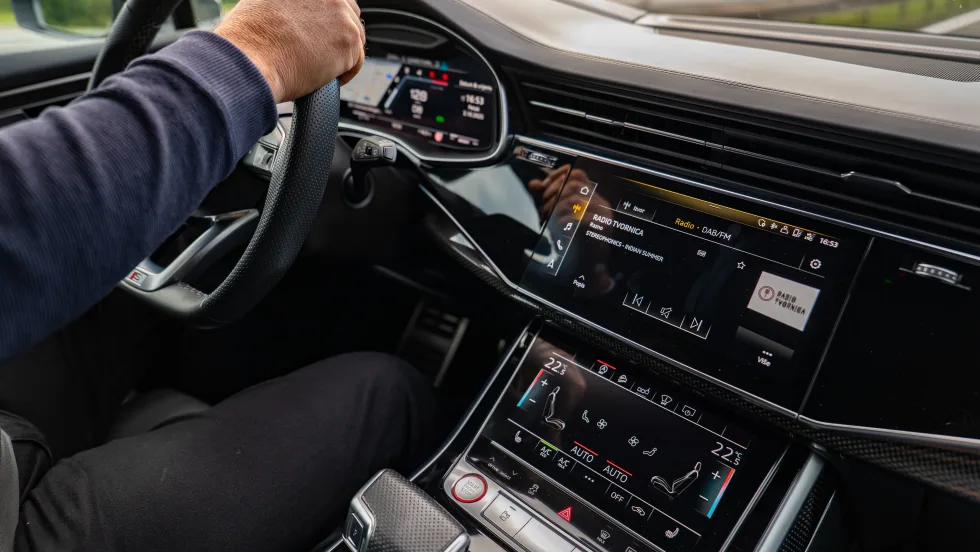
Convenience and safety are top priorities for American drivers when it comes to connected vehicles and the services they expect with their next car.
Read More →
New-Vehicle Prices Stay Put
Affordability pressures and model availability shaped new-vehicle sales in September, according to an analysis by Kelley Blue Book.
Read More →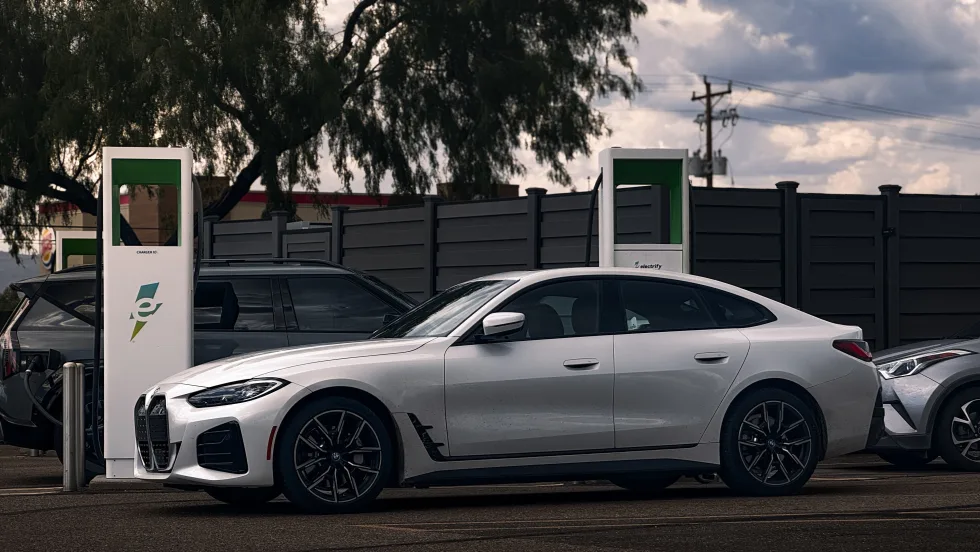
EV Buyer Consideration Shifts
What drives American consumers to purchase an electric vehicle is shifting as the question moves away from Should I?' to 'Which features and experience do I want to have?'
Read More →
Auto Nameplate Loyalty Holds in Tough Times
Consumers have been faithful to brands despite financial pressures, and JD Power says that’s because automakers have made some wise moves.
Read More →
Top New Jersey RV Store Sells
Myer’s RV Superstore is expanding its footprint in the state with two new locations that it acquired from Ed Hutchinson Jr.
Read More →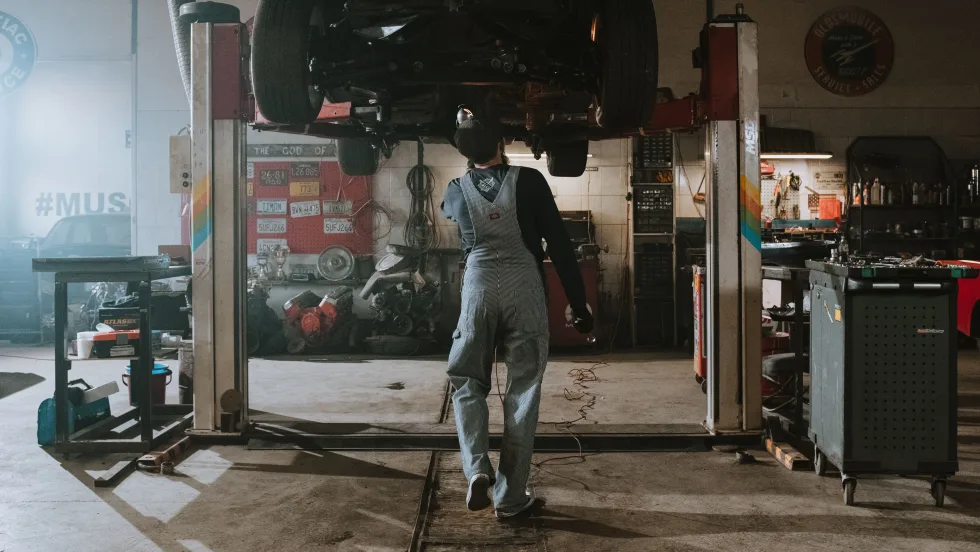
Alliance Analyzes Technician Pipeline
A new industry report examines the state of skilled trades in the U.S. and details the drivers of demand for automotive repair and how technicians enter and grow in the workforce.
Read More →
Luxury Rooftop Changes Hands
Genesis of Glenview is getting a new owner and a new location, but its name will stay the same.
Read More →
Future-Proof Your Business
A new industry outlook details several ways that automotive companies can use the rise in artificial intelligence and advanced technologies to their advantage.
Read More →
Dealership Buy-Sells Keep Going Up
First-half transactions reflect continued high appetite for acquisitions despite falling profits, the most sought-after franchises bringing record prices.
Read More →
California Makes Electric Moves
New laws in the Golden State aim to advance consumer access to public electric-vehicle chargers and reduce costs and barriers to its infrastructure.
Read More →