



NY Advances Charging Infrastructure
Public EV charging in New York is getting a boost with a new program designed to help public entities cut purchase and installation costs of Level 2 charging stations.

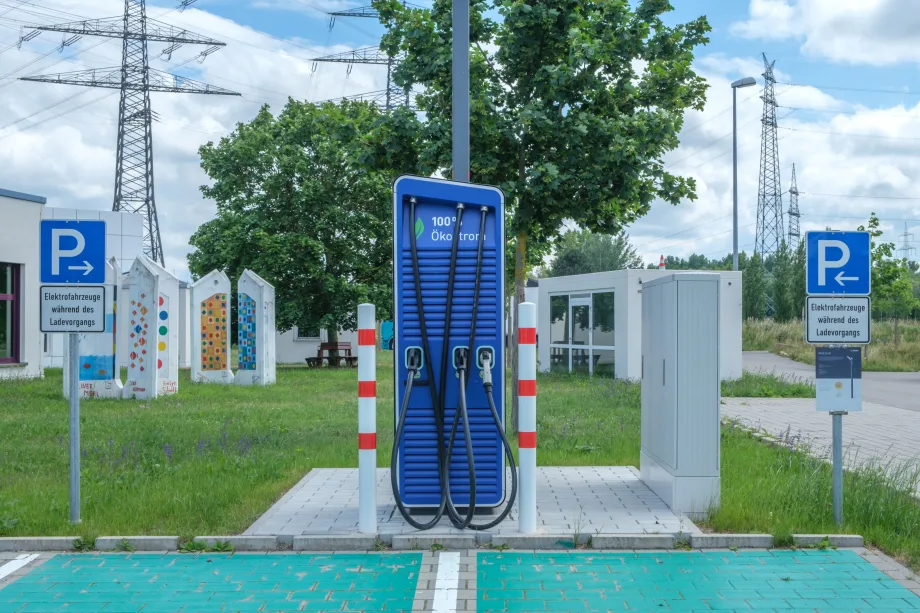
New York state had more than 21,000 Level 2 and direct-current fast chargers as of July.
Pexels/Reinhard Bruckner
New York is seeking to advance its public electric-vehicle charging infrastructure with a new program designed to reduce purchase and installation costs for public-sector entities.
Gov. Kathy Hochul announced this month that $35 million is now available through the Charge Ready NY – Large Public Sector Project, which is funded through her $2 billion Sustainable Future Program first announced last year. The Charge Ready program is administered by the New York State Energy Research and Development Authority.
Entities such as New York state agencies and authorities, local governments and state or city university systems that apply to the program could receive between $1 million and $15 million to install Level 2 EV chargers at one or more sites on publicly owned land for use by the general public.
“As we continue to lead the way in building a cleaner, more connected transportation system, New York must have a vast network of charging stations that are convenient to reach and easy and affordable to use,” Hochul said.
“By investing in much-needed public charging options, we are giving New Yorkers more confidence to drive an electric vehicle and reduce their exposure to volatile gasoline prices while improving air quality in our communities.”
The state had more than 21,000 Level 2 and direct-current fast chargers as of July, according to the program administrator. And in February the organization “added $15 million to the existing program with funding of $3,000-$4,000 per plug available on a first-come, first-served basis.
The program announcement closely follows California’s new MyFirstEV rebate program, which provides a point-of-sale incentive for first-time zero-emission vehicle buyers to purchase or lease a new or used zero-emission vehicle
But the two states aren’t alone in providing EV incentives in various forms. According to ElectricNiverse, which pulls data from official state and federal sources, more than 30 states have EV programs, including rebates and charging infrastructure investments.
State-led EV incentives have become an important piece of the puzzle for the U.S. following the end of the federal EV tax incentive last Sept. 30. But public support of charger development faced extinction in February 2025 when President Trump froze National Electric Vehicle Infrastructure funds, which applied to all 50 states, prompting 17 states to sue the government for withholding the funds.
In January a federal court ruled that the freeze was illegal and that the $5 billion in NEVI funds must be released to the states.
More Industry
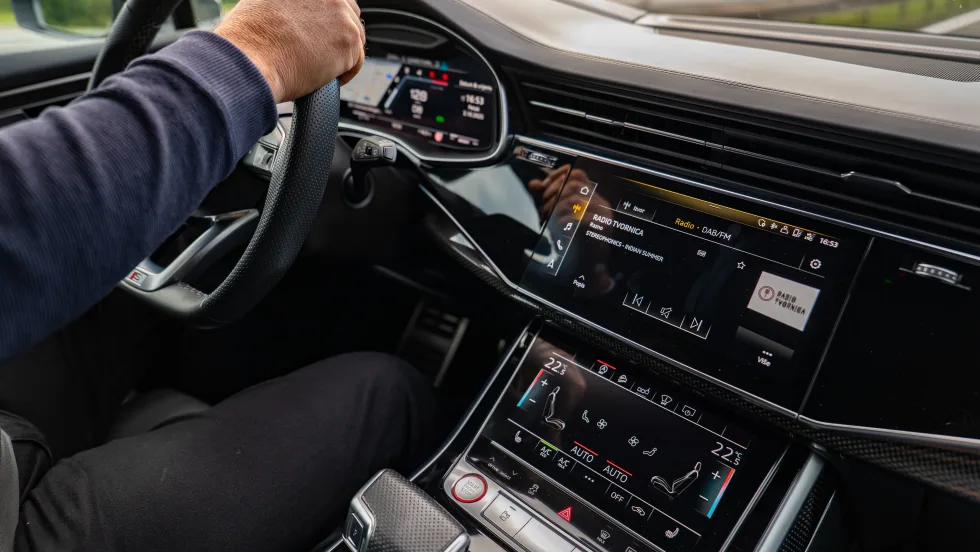
Connection Drives Consideration
Convenience and safety are top priorities for American drivers when it comes to connected vehicles and the services they expect with their next car.
Read More →
New-Vehicle Prices Stay Put
Affordability pressures and model availability shaped new-vehicle sales in September, according to an analysis by Kelley Blue Book.
Read More →
EV Buyer Consideration Shifts
What drives American consumers to purchase an electric vehicle is shifting as the question moves away from Should I?' to 'Which features and experience do I want to have?'
Read More →
Auto Nameplate Loyalty Holds in Tough Times
Consumers have been faithful to brands despite financial pressures, and JD Power says that’s because automakers have made some wise moves.
Read More →
Top New Jersey RV Store Sells
Myer’s RV Superstore is expanding its footprint in the state with two new locations that it acquired from Ed Hutchinson Jr.
Read More →
Alliance Analyzes Technician Pipeline
A new industry report examines the state of skilled trades in the U.S. and details the drivers of demand for automotive repair and how technicians enter and grow in the workforce.
Read More →
Luxury Rooftop Changes Hands
Genesis of Glenview is getting a new owner and a new location, but its name will stay the same.
Read More →
Future-Proof Your Business
A new industry outlook details several ways that automotive companies can use the rise in artificial intelligence and advanced technologies to their advantage.
Read More →
Dealership Buy-Sells Keep Going Up
First-half transactions reflect continued high appetite for acquisitions despite falling profits, the most sought-after franchises bringing record prices.
Read More →
California Makes Electric Moves
New laws in the Golden State aim to advance consumer access to public electric-vehicle chargers and reduce costs and barriers to its infrastructure.
Read More →