



How Automotive OEMs and Agency Partners Will Build Effective Holiday Promotions This Year
This year, holiday shopping on all goods will make it more challenging for auto brands to advertise and identify the right consumers. With the right insights, companies can ensure they’re getting the most out of their creative campaign investments.

This year, holiday shopping on all goods will make it more challenging for auto brands to advertise and identify the right consumers. With the right insights, companies can ensure they’re getting the most out of their creative campaign investments.
Holiday automotive promotions used to be dominated by brands showcasing big red bows on the top of cars presented as surprise gifts. The question, is how COVID-19 may impact holiday promotion plans and consumer spending.
With the right insights, automotive brands and agency partners can ensure they’re getting the most out of their creative campaign investments by identifying the right customers who have the spending power to maximize each and every dealership or website visit.
The choice to advertise during the holidays was a logical one in past years. People were out shopping, and automotive companies wanted to make sure they put their best foot forward when car shoppers were making their considerations. This year may be different, though. COVID-19 has significantly muddied the economic waters when determining who has the financial capacity to spend.
2020 Holiday Season Offers New Challenges
While the economy is more turbulent than in years past, the need to grow and maintain market share hasn’t shifted. During these challenging economic times, it’s even more critical that auto brands and agency partners target the right consumers. This has come with challenges even in the best of times. According to Lotame’s July 2018, The New State of Audience Data, before COVID-19 hit, only 14% of marketers said their audience data buys were very effective, resulting in wasted ad spend and lost revenue.
Accuracy matters. This year, automotive brands and agency partners are combining traditional vehicle promotion data along with audience targeting segmentation data and insights to help brands and agency partners better target consumers who are not just in-market for a vehicle, but those who have the financial capacity to make a vehicle purchase.
This advanced set of data and insights provide the ability to target in-market make/model intenders along with their estimated financial capacity, so OEM brands and agency partners can run more effective retention, acquisition, and conquest campaigns across all digital channels.
Extra Layer of Audience Segmentation Data for Stronger Campaign Targeting
This is where audience segmentation comes in. Sophisticated data is uniquely built using robust sources, including estimated income and asset data contributed directly from the IXI Network of financial institutions, as well as aggregated credit information. This anonymized data can help to estimate nearly 50% of all consumer assets and investments, making it uniquely predictive of a prospective buyers’ financial capacity. In the past, OEM brands and their agency partners have leveraged datasets based on unverifiable survey or panel data.
Why is this important? Not all high incomes are the same. Every household leverages debt differently. Differentiated data assets like audience segmentation can help OEMs gain fuller visibility into a person’s or household’s ability to pay by taking credit-income spending behaviors into account. With this additional information, OEMs have the ability to offer different incentives to different people based on their unique financial situation — all while maintaining user privacy.
This sophisticated level of data enables OEMs and advertisers to better differentiate and reach online consumers who are likely to have the financial capacity to truly purchase their products and services.
Today’s anonymized household economic data is now combined with discretionary spending, credit, demographics, buying behaviors, and insights into make and model preferences, delivering better matched auto audiences which are more receptive to holiday campaigns and offers.
As the pandemic continues to create turbulence across the greater economy, holiday shopping will make it much more challenging for brands to advertise and identify consumers with the right financial capacity to make a purchase. However, with the right insights, automotive brands and agency partners can ensure they’re getting the most out of their creative campaign investments by identifying the right customers who have the spending power to maximize each and every dealership or website visit.
John Stremel is the vice president of sales for automotive digital solutions at Equifax and has 20-plus years of organizational leadership experience primarily in the automotive vertical. Throughout his career, John has built trusting partnerships with leading consumer data providers, traffic and lead generation website brands, auto manufacturers, regional organizations and dealers to drive meaningful results.
Originally posted on Auto Dealer Today
More Showroom

California Sees Quarterly Gains
California’s new-vehicle market saw a boost in hybrids in the third quarter and its first overall quarterly market gain of the year.
Read More →
New-Vehicle Prices Stay Put
Affordability pressures and model availability shaped new-vehicle sales in September, according to an analysis by Kelley Blue Book.
Read More →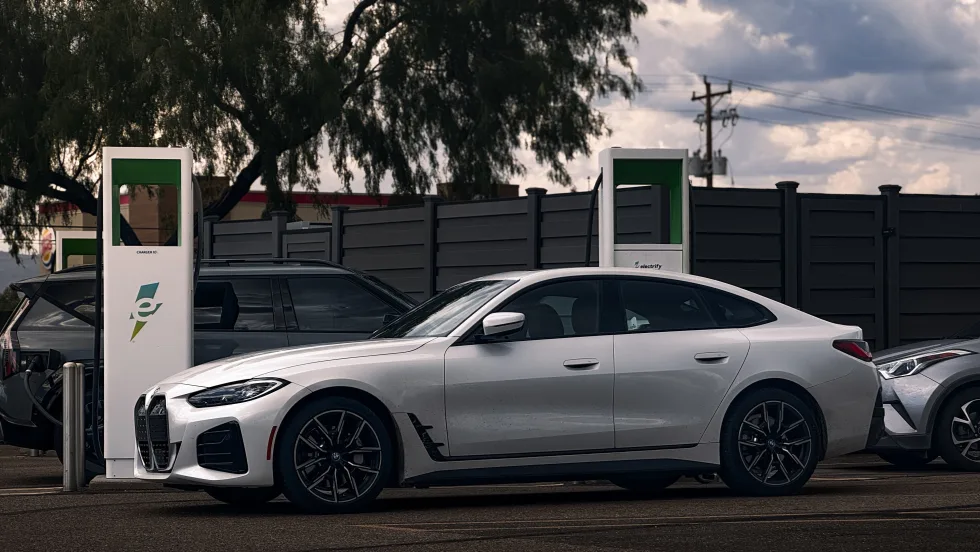
EV Buyer Consideration Shifts
What drives American consumers to purchase an electric vehicle is shifting as the question moves away from Should I?' to 'Which features and experience do I want to have?'
Read More →
Year-to-Date Auto Sales Holding Their Own
A forecast through August shows that automakers have shifted strategies to keep deliveries and revenues up despite tariffs and other economic challenges.
Read More →
Slow to Robo
Ten years of polling consumers shows autonomous vehicles’ profiles have risen considerably, but even more people now want at least some level of control if they go that route.
Read More →
Dealers a Little Down
A third-quarter Cox Automotive survey finds them in a mixed mood, bummed by fallen customer traffic but encouraged by better profits, costs and EV interest.
Read More →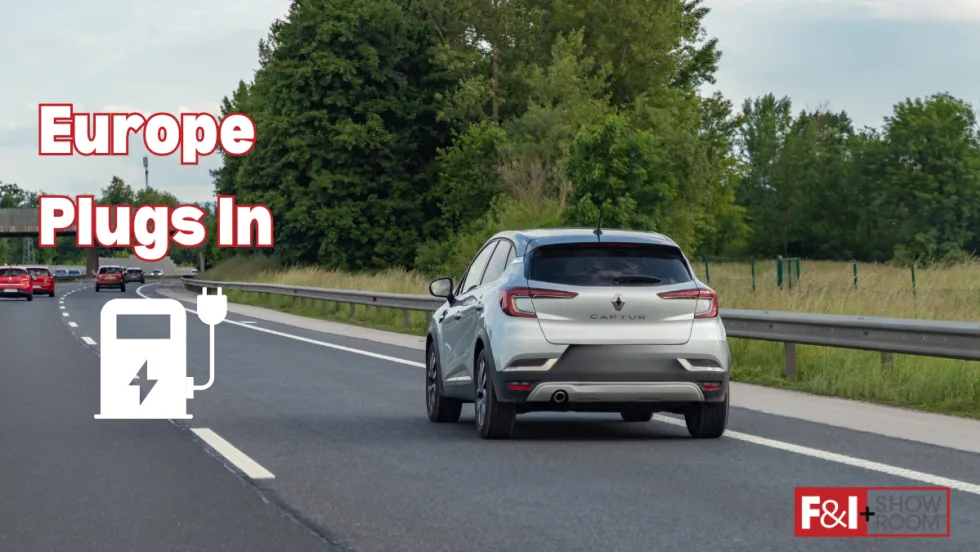
European EV Sales Skyrocket
The EV market on the continent held strong in July with almost 25% of new-car sales being fully electric units, a stark contrast to the U.S., where EV sales declined about 42%.
Read More →
Mitsubishi Unveils U.S. Plan
The automaker announced a strategy that includes an expanded lineup and dealership presence, along with more ‘rugged’ and electric models.
Read More →
Used Lots Getting the Business
Many consumers are seeking out the units to save money, and the demand – higher in July than normal – is keeping supply limited and prices up.
Read More →
Used Market Stabilizes
The Carfax Used Car Index noted a major drop in used-vehicle price increases in July after several months of hikes.
Read More →