



EV Buyer Consideration Shifts
What drives American consumers to purchase an electric vehicle is shifting as the question moves away from Should I?' to 'Which features and experience do I want to have?'

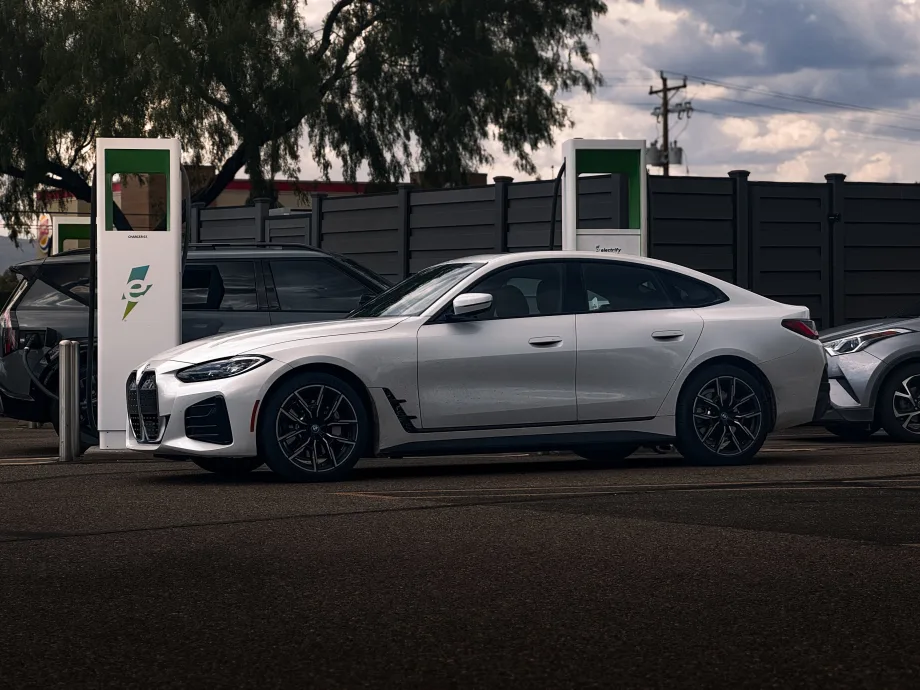
The survey also found that, especially among younger buyers, faster charging increases buying consideration.
Pexels/Shane West
Driving range has been a top concern for consumers when considering purchasing an electric vehicle, but new survey results show a gap between what consumers want versus what they need on a daily basis.
According to the 2026 BMW Group U.S. survey of consumer attitudes toward EVs, 42% of respondents said they want a minimum driving range of 300-plus miles. But when asked for the range they need for daily driving, 73% said either 25, 50 or 75 miles.
BMW said that shows consumers “place significant value on total vehicle range even though their everyday driving needs are well within the capabilities of today’s electric vehicles.”
The survey also found that, especially among younger buyers, faster charging increases buying consideration. Fifty-three percent said that an EV capable of adding about 150 miles of driving range during a 10-minute fast-charging stop increased their consideration. That motivator was the highest among Generation Z buyers at 70%, millennials closely behind at 65%. Fast charging had the lowest impact on baby boomers at 30%.
Fifty-one percent of survey respondents cited purchase price as the greatest barrier to EV ownership, followed by concerns about battery longevity or replacement cost, charging time, driving range, public charging availability, and access to convenient home charging. Fifty-five said they would consider a certified preowned or used EV “if it provided sufficient savings.”
Of the 68% of Americans surveyed who said they would consider an EV, the No. 1 reason was lower ownership and operating costs. Other cited areas of importance included better performance or driving characteristics, newer or more advanced technology, and environmental benefits.
More Showroom

New Cars Less Affordable
Buying conditions eroded for American shoppers last month due to inflation and interest rates, though they fared better than a year ago.
October Sales Divided
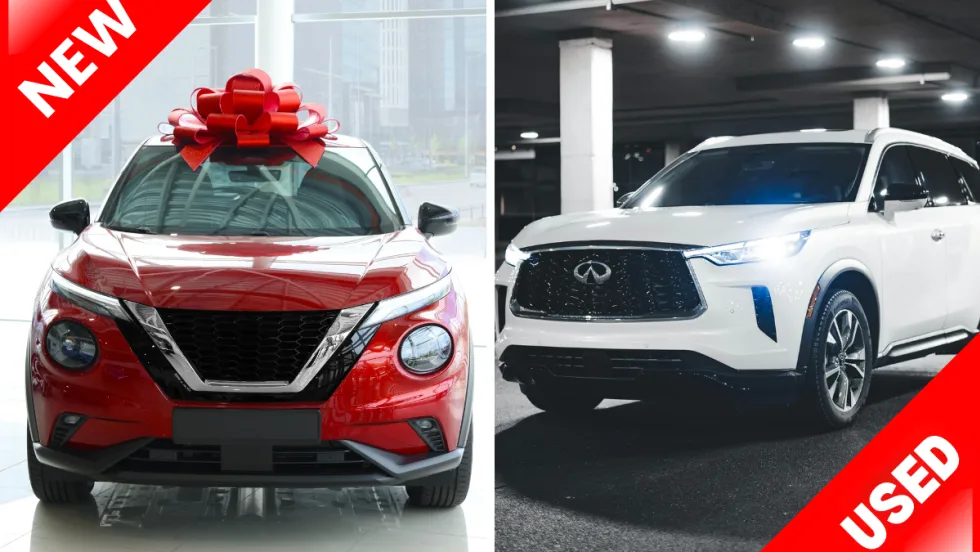
Inventory trends split between the new- and used-vehicle markets, though prices continued to rise for both in October.
Auto Transaction Prices Hit New Height
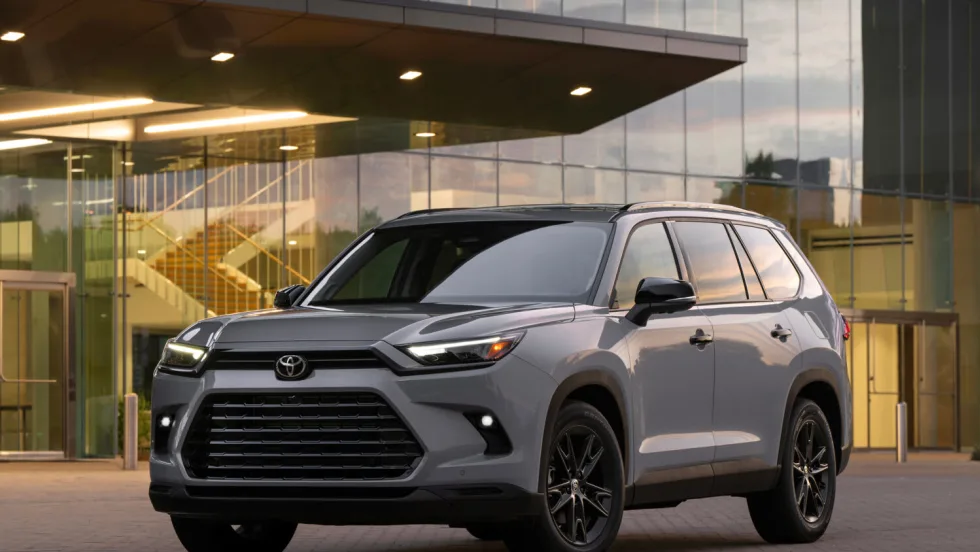
October sales of big, pricey models push up the average, even as budget-conscious consumers snag more economical options.

Making the Safe Choice
Kelley Blue Book has turned households with teen drivers onto safe and affordable options for their vehicles of choice
Inventory Holds Steady
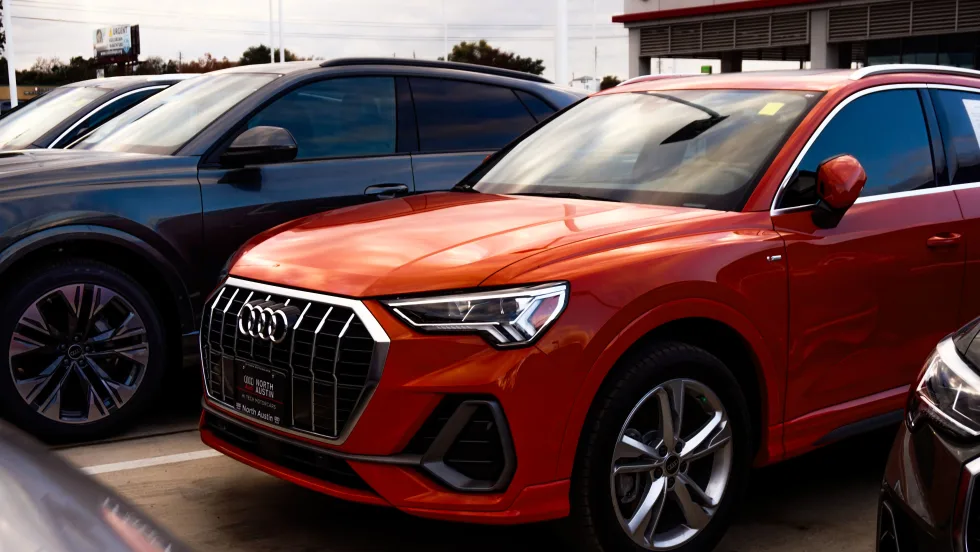
September new-vehicle inventory rose slightly month-over-month, but dealer lots are laden with MY2026 vehicles as the typical model year changeover trudges along.

October Auto Sales Fall With the Leaves
A forecast anticipates retail deliveries are down this month as consumers continue to face cost challenges, though more are tapping long loans in order to buy.

California Sees Quarterly Gains
California’s new-vehicle market saw a boost in hybrids in the third quarter and its first overall quarterly market gain of the year.
New-Vehicle Prices Stay Put
Affordability pressures and model availability shaped new-vehicle sales in September, according to an analysis by Kelley Blue Book.

Year-to-Date Auto Sales Holding Their Own
A forecast through August shows that automakers have shifted strategies to keep deliveries and revenues up despite tariffs and other economic challenges.
Slow to Robo
Ten years of polling consumers shows autonomous vehicles’ profiles have risen considerably, but even more people now want at least some level of control if they go that route.