



Kinks Will Be Kinks
Electronic processes won’t cure the ‘kinks’ who flout the rules and regulations governing F&I, but they will make their bad behavior easier to track.

I attended an event at a football stadium. The line to the men’s restroom wound out the door as guys patiently waited their turn to use one of 19 urinals or five stalls. Interestingly, there was not a wait to use the four sinks. This recurring theme has always made me shake my head with bewilderment — so much so that I decided to conduct an informal, unscientific survey of washroom attendants.
I have so far visited nine venues where a washroom attendant was on duty, offering towels in return for a tip. The consensus of those nine attendants is that a majority of guys do not wash their hands after using the facility.
"Dealers who try to convert from pulp to electrons often encounter resistance from sales managers. They may even create barriers to implementation. I can tell you from experience there is a higher percentage of payment packing at dealerships that still employ handwritten four-squares than those that have converted entirely to edesking."
Some of these restrooms had paper towels. Others had air dryers. A few had both. My conclusion is that updating to the newest technology won’t necessarily modify behavior. If you are not inclined to wash your hands, it won’t matter what the drying method is.
Same goes for the “kinks” in the F&I office. If you are prone to powerbooking deals to meet the finance source’s callback or underwriting guideline, you will continue to manipulate the options on the bookout sheet. If you view credit application fraud as a victimless crime, you will continue to give people raises or stability, or move them back in with their family instead of paying rent. To you, it does not matter that you are now committing potential bank fraud using the internet.
If you are a kink, having electronic processes won’t change your behavior. They will only make it easier for people like me or the Federales to figure it out. In fact, eprocesses offer a huge benefit to the dealer principal who intends to run a transparent and compliant edealership.
Granted, a kink can still pack payments using an electronic desking system just as easily as if she were still using a Sharpie and a four-square. But the edesking system tracks the history of the pencils.
Using edesking software, I can tell what the first pencil is and whether it is compliant with the dealership’s desking policy. I can also tell if the manager had a credit approval in hand and quoted a payment in excess of the approval’s max rate. I can even tell if the number of days or number of payments per year was manipulated to pack the payment.
In fact, it is easier for me or a member of the Dark Side to verify that the payments are packed when edesking software is used. This is a huge benefit for the dealer principal. It helps him or her understand who is following the dealership’s desking policy and compliance training and who the kink is.
Dealers who try to convert from pulp to electrons often encounter resistance from sales managers. They may even create barriers to implementation. I can tell you from experience there is a higher percentage of payment packing at dealerships that still employ handwritten four-squares than those that have converted entirely to edesking.
I was listening to The Beatles Channel the other day. The DJ shared a personal story. Seems he was a Beatles fan growing up, and he completed a sixth-grade project discussing the legitimacy of the “Paul is dead” rumors.
I was impressed. This guy knew he was destined to become a Beatles expert when he grew up, and he fulfilled his dream. Then I thought about all the little kids who say they want to be firemen or policewomen or doctors or nurses when they grow up.
So what did the kinks in our business want to be when they were little? Did they spend time figuring out how to cheat at hopscotch and apply that to packing payments on four-squares? If so, they will not be deterred by the introduction of eprocesses. It will only make it easier to catch them.
Good luck and good selling!
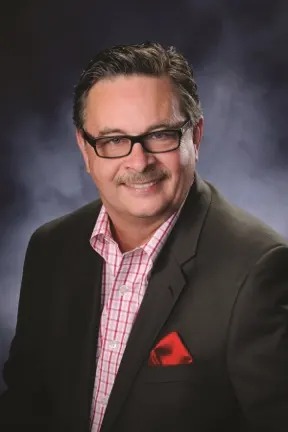
Gil Van Over is the executive director of Automotive Compliance Education (ACE) and the founder and president of gvo3 & Associates. Email him at gvo@bobit.com.
More Auto Finance

Interest Rates Further Squeeze Auto Consumers
Last month’s hike and a potential second increase this month add to a growing list of inflation woes that could continue to dent overall car sales.
Read More →
Mind Your Process
Consistent steps taken in various aspects of the F&I office can make valuable differences over time, similar to an outline for a best-selling book.
Read More →
Top Five Credit Application Fraud Flags
Compliance audits regularly reveal bad habits that can lead to fraud charges and should have been stamped out decades ago.
Read More →
More Auto Loans for the Taking in August
Riskier categories were on the uptick for the month as lenders loosened access in several areas while balancing out the exposure in another, Cox Automotive reported.
Read More →
July Was Hot for Auto Borrowers
Credit proved readily available for many, but most loans left buyers in negative territory, Cox Automotive said.
Read More →
Dealer Lender Preferences Revealed
When lenders provide consistent, fast service, their overall satisfaction scores with dealers greatly improve, according to JD Power research.
Read More →
Auto Refi Savings Surge
Consumers with 84-month auto loan terms who refinanced saved the most on monthly payments, according to a new report by auto refinancing provider Caribou.
Read More →
Subaru Enters Lending Business
The automaker follows other brands in adding captive financing in the U.S., and says the move will strengthen its position here.
Read More →
Positive Equity Reaches Record High
Mainstream vehicle owners who bought a car seven years ago are likely to have positive equity when trading in for a new vehicle, according to second-quarter Edmunds data.
Read More →
Dealerships Are Paying the Price for Extended Car Loans
Growing negative-equity scenarios mean such lengthy terms should be addressed in a forward-looking way to make them work for the dealer and the consumer down the road.
Read More →