



Meet the Chairman
William P. Underriner is NADA’s 2012 chairman, and he’s looking forward to a good year for dealers.
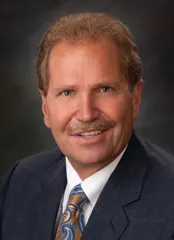
In September, the National Automobile Dealers Association named William P. Underriner as its 2012 chairman. Underriner served as vice chairman this year and remains president and co-owner of Billings, Mont.-based Underriner Motors. The magazine caught up with the new chairman as he prepared to officially take the reins this week at the NADA’s annual convention.
F&I: How do you balance your chairman duties with running your dealer group?
Underriner: I’ve got very good employees and managers that have been with me a long time. They know how I like to operate and what I like to do. As vice chairman, I was on the road a lot. So, it’ll be challenging, but I think it’s going to be a great year for my organization.
F&I: Dealers were optimistic about the business at the start of 2011. But it seems like everything that could go wrong, did.
Underriner: You’re absolutely right. Things were going well and then, all of a sudden, the tsunami hit Japan and the hurricanes hit the South. My forecast at the beginning of the year didn’t look anything like what we ended up with. The floods in Thailand also hurt, especially for import dealers. I think this next year, barring any natural and unnatural disasters, we should have a very good year.
F&I: What is your vision of the future of auto retailing?
Underriner: I think it’s going to go more toward the Internet. People don’t have the time to shop dealerships like they did five years ago. I don’t think the entire car-buying process is going to be done over the Internet, but I do think the fact finding and research will.
F&I: It seems like auto finance made some big strides in 2011. Do you agree?
Underriner: I think it’s very true that financing is getting better for dealers. In 2008 and 2009, a lot of really good people fell on some bad times. I think the OEMs and their captives realized that.
F&I: What’s your outlook for 2012?
Underriner: We’re going to see a stronger economy. I don’t think it will be a huge jump, and I don’t think unemployment is going to go down in huge numbers. But we’ll have a steady decline in unemployment and a steady increase in car sales. ... I think it will be more than 12.7 million units, but I’ll leave that prediction to our chief economist, Paul Taylor.
F&I: Are there any threats to the industry that the association is keeping its eye on?
Underriner: We’ve hired Glen Mercer, a well-known consultant in the auto industry, to analyze factory image programs. He is talking to OEMs, dealers, customers, CPAs, attorneys and businesses that do image programs for hotels and restaurants to see if putting millions of dollars into a new facility will sell one more car. The results of his study will be released at the convention.
The other big thing is CAFE 2025, which will mandate that cars get 54.5 miles per gallon. It’s going to make the cars cost a lot more money. We are very much for fuel economy, but we think there should be one federal agency that regulates fuel economy. Right now, there are three.
F&I: What about the Consumer Financial Protection Bureau?
Underriner: We fought very hard to keep dealers out of that because dealers are not banks. The Dodd-Frank legislation includes language that preserves dealer-assisted financing, which will continue to provide more convenience, more competition and more choices for car buyers. It’s important to note that every auto loan and every auto finance source will be regulated by the CFPB.
F&I: The FTC just wrapped up the last of three roundtables it staged to learn more about auto finance. How did we fare?
Underriner: We had dealers serve on panels at all three FTC roundtables, the last of which was held in November. The NADA exposed multiple flaws in consumer advocates’ calls for additional regulations, and again demonstrated the numerous benefits that optional dealer-assisted financing provides to consumers of all credit tiers.
More Auto Finance

Interest Rates Further Squeeze Auto Consumers
Last month’s hike and a potential second increase this month add to a growing list of inflation woes that could continue to dent overall car sales.
Read More →
Mind Your Process
Consistent steps taken in various aspects of the F&I office can make valuable differences over time, similar to an outline for a best-selling book.
Read More →
Top Five Credit Application Fraud Flags
Compliance audits regularly reveal bad habits that can lead to fraud charges and should have been stamped out decades ago.
Read More →
More Auto Loans for the Taking in August
Riskier categories were on the uptick for the month as lenders loosened access in several areas while balancing out the exposure in another, Cox Automotive reported.
Read More →
July Was Hot for Auto Borrowers
Credit proved readily available for many, but most loans left buyers in negative territory, Cox Automotive said.
Read More →
Dealer Lender Preferences Revealed
When lenders provide consistent, fast service, their overall satisfaction scores with dealers greatly improve, according to JD Power research.
Read More →
Auto Refi Savings Surge
Consumers with 84-month auto loan terms who refinanced saved the most on monthly payments, according to a new report by auto refinancing provider Caribou.
Read More →
Subaru Enters Lending Business
The automaker follows other brands in adding captive financing in the U.S., and says the move will strengthen its position here.
Read More →
Positive Equity Reaches Record High
Mainstream vehicle owners who bought a car seven years ago are likely to have positive equity when trading in for a new vehicle, according to second-quarter Edmunds data.
Read More →
Dealerships Are Paying the Price for Extended Car Loans
Growing negative-equity scenarios mean such lengthy terms should be addressed in a forward-looking way to make them work for the dealer and the consumer down the road.
Read More →