



Menu Selling Reloaded
F&I trainer believes new technology and expert salesmanship can combine to create an efficient and productive menu-selling process.


Photo courtesy of iStock.
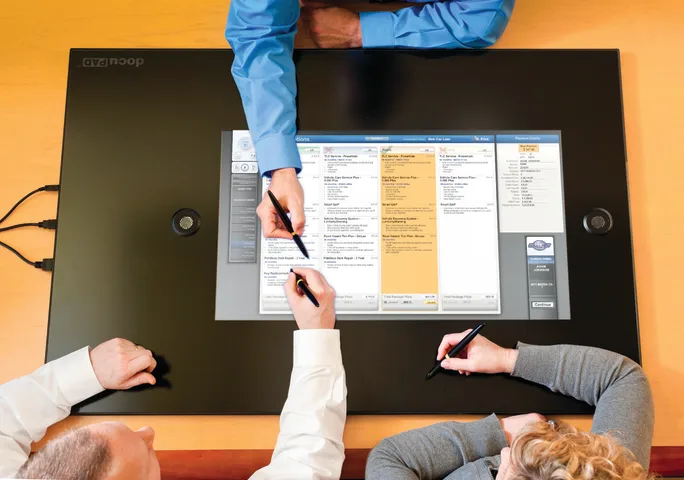
At Industry Summit 2015 this past September, there were numerous presentations of the newest technology being utilized to make the F&I menu presentation more interactive and time-efficient. I’m amazed at the advancements that have taken place in just the last 12 months. We have turned a corner with the availability of user-friendly, DMS-integrated menu software that shaves time off the overall process and makes for a professional presentation to the customer.
This next-generation technology will usher in a new era in the F&I process and the experience we deliver to our customers. The challenge, however, is to ensure we maximize the advantages it provides without allowing it to become the main focus of the process. Menus, in any format, do not move customers to buy F&I products; experienced and intentional F&I professionals do. Let’s take a look at seven keys to effectively utilize the menu process to help customers make great buying decisions.
1. Good Needs Discovery
The options on the menu are not products we sell; they are answers to a problem or a need identified by the person sitting on the other side of the desk. Having a conversation with your customer as you complete the pre-menu paperwork will provide the information needed to uncover a customer’s need for the products offered.
2. Proper Introduction
The menu is simply a disclosure form, so the introduction should not say anything different. “Bob, before we finish up the paperwork, I need to go through this disclosure form with you. I’m required to review your repayment, risk management and vehicle protection options and answer any questions you may have. Would that be OK with you?”
Customers want to know what their options are. They do not want anyone to try and sell them extra stuff. So eliminate words that scream “selling.” These are “additional products” or “things you can add” are deal killers. Make it a simple effort to disclose the customer’s options in a non-selling environment and the customer will ask questions and buy products.
3. Collapse Confrontation
When customers interrupt your disclosure and say, “I don’t want any of that stuff,” they subconsciously feel you will stop the process if they exhibit confrontational behavior. So it is imperative you stop the process and acknowledge their statement, thereby collapsing the confrontation. Always give the customer an out.
“No problem!” you might say. “These are all options. You can take all of them, none of them or some of them. Here at XYZ Motors, we feel we have a responsibility to review all the options available to you in connection with your purchase and answer any questions you may have so you can make the right decision for you and your family. Would that be OK with you?”
In my experience, most customers will then allow you to continue.
4. Give Them Ownership
When reviewing the options available, it is important we convey that these are their options, not ours. Words such as “we offer” or “we have included” convey the wrong message. Use the word “your” clearly and often to give them psychological ownership.
“This is your vehicle service agreement. It will pay for the cost of both parts and labor for covered repairs on your new Honda Accord.” Make them mentally give back the options they do not want. That is their choice.
5. No Selling the First Time Through
Simply tell the customer what each product is and what it does in a short and concise manner. We want them to ask for more information later, so we must only give them a short description the first time through the menu. The minute you start attempting to sell a product, the walls of resistance go up. Our goal is to keep those walls down throughout the menu presentation so we can have a productive dialogue afterward.
6. Make Them Thirsty
After a customer says “No,” the next step will determine how effective you will be. The key to consultative selling is to make customers want to know more about the products we offer. You are responding to their request for information, not making a sales pitch. Make a statement that piques their curiosity and makes them thirsty to know more.
“That surprises me,” you say, “especially since you are buying a car built since 2010.” This will make them want to know what has changed since 2010. We could just tell them how different a vehicle is today. The information is the same. However, effectively getting a customer to ask for more information is the key to turning your next “No” into a “Yes.”
7. Ask Them to Buy a Package
Once the customer has accepted a product, circle it in the first option — which should include all your products — and ask, “Do you want to go with the service agreement in the ‘Preferred’ or would ‘Standard’ be better?” One of the main goals of the menu process is to have customers buy packages, not individual products. It minimizes step-selling and always points them to a package.
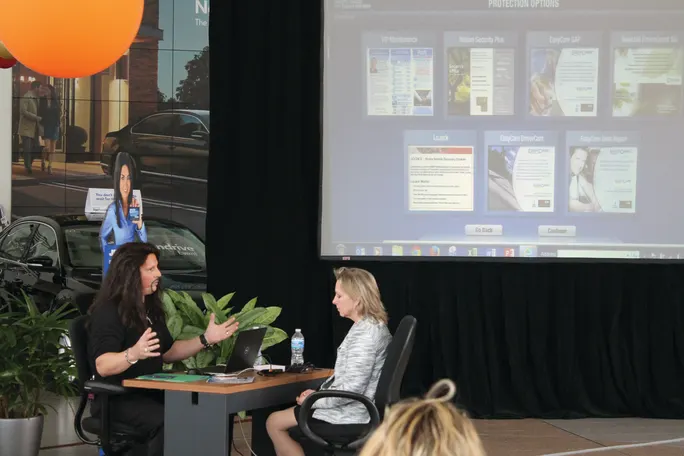
Today’s customers want an efficient process that provides the information they need in a format with which they are comfortable. Consider presenting six products or less to reduce the time needed to initially go through the menu.
Remember, less is more. The customer drove us to provide a menu format in the first place. Now continue to give them what they want with a professional, nonconfrontational and timely process that puts all their options in front of them in a timely manner. They will reward you by buying more products than you could ever sell them.
It is an exciting time to be in F&I. Cutting-edge technology is evolving at breakneck speed. Just make sure the guiding principles of presenting the information are in place. George Washington never owned an iPad and Abraham Lincoln didn’t have Internet access. We have created remarkable people without technology. We also have created unremarkable people with technology. Let’s make the best of both worlds: a remarkable process with principles that move customers to buy and the amazing technology to make it exciting.
More Auto Finance

Interest Rates Further Squeeze Auto Consumers
Last month’s hike and a potential second increase this month add to a growing list of inflation woes that could continue to dent overall car sales.
Read More →
Mind Your Process
Consistent steps taken in various aspects of the F&I office can make valuable differences over time, similar to an outline for a best-selling book.
Read More →
Top Five Credit Application Fraud Flags
Compliance audits regularly reveal bad habits that can lead to fraud charges and should have been stamped out decades ago.
Read More →
More Auto Loans for the Taking in August
Riskier categories were on the uptick for the month as lenders loosened access in several areas while balancing out the exposure in another, Cox Automotive reported.
Read More →
July Was Hot for Auto Borrowers
Credit proved readily available for many, but most loans left buyers in negative territory, Cox Automotive said.
Read More →
Dealer Lender Preferences Revealed
When lenders provide consistent, fast service, their overall satisfaction scores with dealers greatly improve, according to JD Power research.
Read More →
Auto Refi Savings Surge
Consumers with 84-month auto loan terms who refinanced saved the most on monthly payments, according to a new report by auto refinancing provider Caribou.
Read More →
Subaru Enters Lending Business
The automaker follows other brands in adding captive financing in the U.S., and says the move will strengthen its position here.
Read More →
Positive Equity Reaches Record High
Mainstream vehicle owners who bought a car seven years ago are likely to have positive equity when trading in for a new vehicle, according to second-quarter Edmunds data.
Read More →
Dealerships Are Paying the Price for Extended Car Loans
Growing negative-equity scenarios mean such lengthy terms should be addressed in a forward-looking way to make them work for the dealer and the consumer down the road.
Read More →