



You Need a Game Plan for a Flat Market
Stay competitive in a flat market by refocusing on the fundamentals of new-inventory management, forecasting, and tracking.

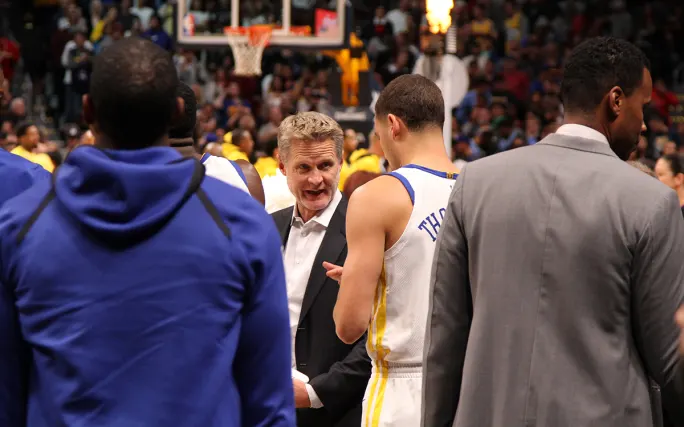
When Steve Kerr took over as head coach of the Golden State Warriors, he began the process of building a champion by putting his pros through grade school-level drills. Photo by Cyrus Saatsaz via Wikimedia Commons
Steve Kerr first joined the NBA’s Golden State Warriors as head coach in 2014. He instantly recognized the sloppiness of the team and began teaching them fundamental passing skills. Kerr forced his team of highly paid professionals through rudimentary passing drills better suited for grade-school children. It must have looked like a scene lifted right out of “Hoosiers.”
Although new light-vehicle sales came in at more than 8.6 million vehicles for the first half of 2018, the auto retail industry may soon face headwinds from rising interest rates, higher fuel prices, and tariffs. We are already seeing signs that car sales have started cooling off the second half of the year.
Adversity forces us to get back to the basics of running a dealership. By mastering the fundamentals of new inventory management, as well as forecasting and tracking, you can help avoid trouble in a flat market.
1. Fast Break: New-Inventory Management
New inventory is the largest liability for a dealership. An average dealership holds $5 to $7 million worth of new inventory; bigger metro stores can hold up to $20 million.
When you take as many vehicles as the factory offers, you may soon realize your floorplan went from an income to an expense. As the market cools down, your aging inventory becomes a problem, and your month’s supply increases. The knee-jerk reaction is to stop taking vehicles from the factory, which could mean the loss of floorplan and advertising credits.
Yet keeping inventory too long can result in unnecessary losses and additional expenses, from advertising to interest charges to commissions and bonuses.
Based on the NADA’s 2017 “Annual Financial Profile,” the retail net profit per new vehicle retailed has slid to an average loss of $421, an increase from an average loss of $217 in the previous year. As a result, pressure to reduce your selling expenses is even more critical today to remain competitive.
The best way to handle your new inventory is with knowledge and awareness, not with more pricing rules. Start by asking your team the following questions:
• How many times are you turning the new inventory?
• What percentage of our inventory is aged?
• Which model is causing the most pain?
• Which model lines have the highest month’s supply?
Finally, what is your optimal monthly supply? With these numbers in black and white, you can begin to balance your inventory and achieve the results you expect.
2. Slam Dunk: Forecasting and Tracking
Focusing on the basics can also deliver more accurate forecasting. Follow the simple yet valuable exercise of building a monthly plan. Such a plan will show you how many new cars you can sell based on your inventory and historical sales performance.
First, run a new inventory report and identify your age and month’s supply by model line. Likewise, pull a three-month sales report to see how many of each model line you sold, the front profit per vehicle retailed, and the total back PVR to identify your unit and gross targets.
Once you collect the data, you can determine:
• The number of units you can move based on your three-month plan and current inventory levels.
• Whether PVRs have to increase (or decrease) to achieve your goals.
• Who will keep track of this report daily.
• How the report will be used to enhance productivity and track follow-up activity.
• An accurate forecast you can share with your marketing agency or in-house team.
To stay in the game when costs increase and profits decrease, you can’t ignore the fundamentals of running a dealership. The knowledge you need to help you stay on top of your inventory and sales forecasts is already in your DMS, waiting to be tapped.
By the way, Steve Kerr’s Golden State Warriors and Gene Hackman’s Hickory High didn’t just master the basics. They went on to become champions.
Pedram Faed is the CEO and co-Founder of MBTN Solutions, a company that provides software to automotive dealers to improve their operational efficiency.
Originally posted on Auto Dealer Today
More Opinion

Combative UAW Demands Leave No Room For Constructive Negotiations
Compensation for workers' contributions during the panedmic is justified but not at this level.
Read More →
Curing Your COVID Hangover
It’s time to get re-connected with our customers and stay there.
Read More →
Uber Doubles Q2 Revenue
The company saw revenue more than double to $8.1 billion as customers continued to hail rides and order takeout food.
Read More →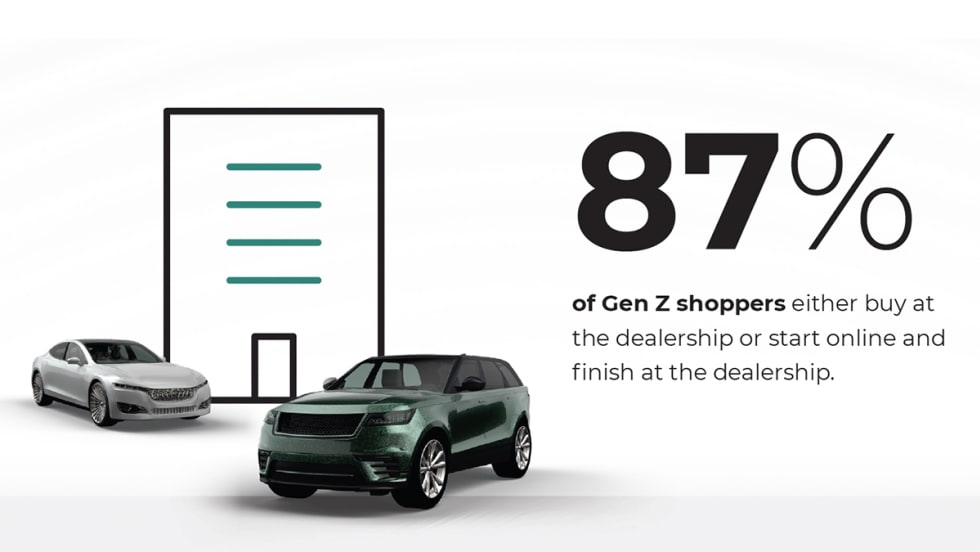
Study Finds Gen-Z Car Shoppers Spend More Time Researching and Find Purchase Process More Difficult Than Older Generations
Gen Z shoppers report they experience more problems compared to Baby Boomers, including 45% of Gen Z frustrated with waiting on a salesperson and 52% with additional fees.
Read More →
The Remote Evolution In F&I
F&I profits have consistently increased since my departure from “the box” — and it’s all happening in conjunction with my fuzzy slippers.
Read More →
LMP Automotive Holdings Receives Notification of Deficiency from Nasdaq
The Nasdaq notice has no immediate effect on the listing or trading of the Company’s common stock on the Nasdaq Capital Market.
Read More →
Auto Experts Weigh in on the Semiconductor Shortage
Experts suggest automakers focus their attention on the user experience and greater collaboration as they content with limited semiconductor chip supplies.
Read More →
LMP Automotive Holdings Announces its Board of Directors Approved an Immediate Pursuit of Strategic Alternatives
The Company intends to terminate all of its pending acquisitions in accordance with the terms of their respective acquisition agreements, primarily due to the inability to secure financial commitments and close within the timeframes set forth in such agreements.
Read More →
Blockade of Ambassador Bridge Costs Auto Industry Millions
Total losses add up to $300 million, with a $155 million hit to automakers and $145 million in lost direct wages.
Read More →
8 Ways Small Dealers Can Compete With Big Franchises
The digitization of the auto retail and finance industry has helped level the playing field for dealers who are willing to invest in new tools — no matter your size or location.
Read More →