



Alliance Analyzes Technician Pipeline
A new industry report examines the state of skilled trades in the U.S. and details the drivers of demand for automotive repair and how technicians enter and grow in the workforce.

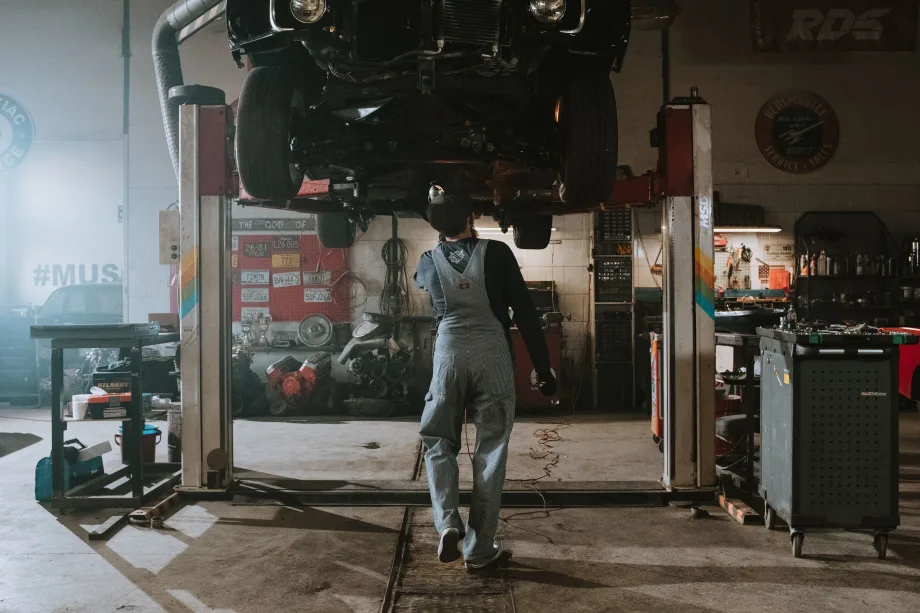
The report notes that entry into the technician pipeline is not the primary problem. Keeping up with the ever-evolving technology and training needs is.
Pexels/Cottonbro Studio
The Alliance for America’s Skilled Trades released its first report examining the skilled trades workforce, including the automotive sector, and the factors shaping supply and demand.
The report noted three drivers of demand for automotive repair:
Aging vehicles. As vehicle owners keep their rides for longer periods of time, technicians must be knowledgeable about vehicle technology that spans multiple generations.
Electronic and advanced safety systems. Repairs that were once purely mechanical in nature have evolved to include diagnostic and calibration work due to the inclusion of electronic and advanced safety systems like cameras, radars and sensors.
Electrification. The rise of battery-electric, plug-in hybrid and conventional hybrid vehicles has increased the need for technicians to be well-versed in the technology.
The report also breaks down how workers enter and advance through the automotive technician workforce. Post-secondary training and workplace learning are the main routes for technicians. Advancement can be gained through specialized training and credentials through manufacturer-sponsored programs or the National Institute for Automotive Service Excellence.
It noted that entry into the technician pipeline is not the primary challenge. More obstacles occur once the worker is in the field due to the ever-evolving nature of vehicle technology. And since certification is not always mandatory, there can be gaps in a technician’s knowledge since new technology requires updated training.
Earlier this year, a survey by the ASE Training Managers Council showed how technicians want to receive that training. Almost 20% of respondents reported wanting classroom or instructor-led learning, but only about 15% reported that as the current reality. Hands-on lab learning was also ranked as a top need that doesn’t match today's conditions.
The most requested training topics from that survey also reflect the results of the alliance’s report. Hybrid/electric vehicle systems were the most requested, followed by electrical/electronic systems, advanced engine performance, and advanced driver-assistance systems.
More Industry
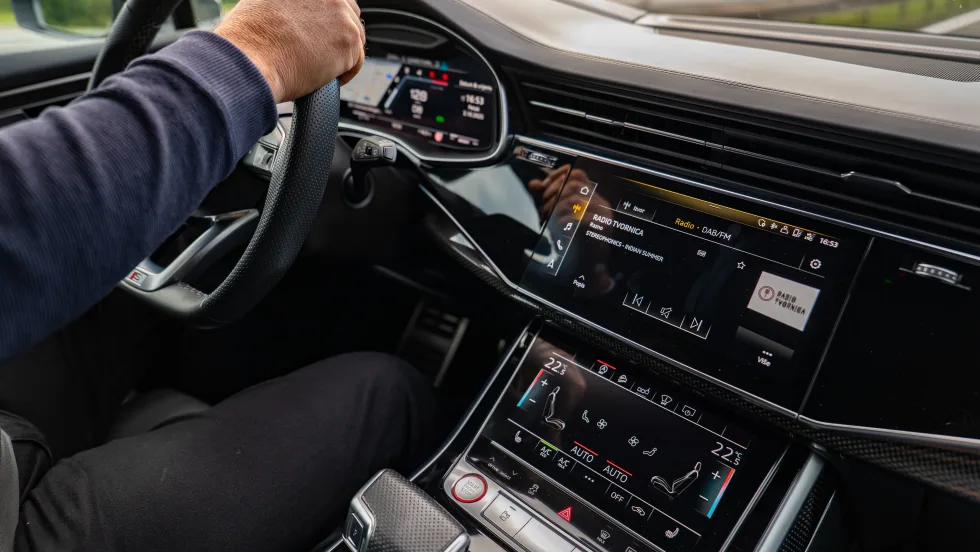
Connection Drives Consideration
Convenience and safety are top priorities for American drivers when it comes to connected vehicles and the services they expect with their next car.
Read More →
New-Vehicle Prices Stay Put
Affordability pressures and model availability shaped new-vehicle sales in September, according to an analysis by Kelley Blue Book.
Read More →
EV Buyer Consideration Shifts
What drives American consumers to purchase an electric vehicle is shifting as the question moves away from Should I?' to 'Which features and experience do I want to have?'
Read More →
Auto Nameplate Loyalty Holds in Tough Times
Consumers have been faithful to brands despite financial pressures, and JD Power says that’s because automakers have made some wise moves.
Read More →
Top New Jersey RV Store Sells
Myer’s RV Superstore is expanding its footprint in the state with two new locations that it acquired from Ed Hutchinson Jr.
Read More →
Luxury Rooftop Changes Hands
Genesis of Glenview is getting a new owner and a new location, but its name will stay the same.
Read More →
Future-Proof Your Business
A new industry outlook details several ways that automotive companies can use the rise in artificial intelligence and advanced technologies to their advantage.
Read More →
Dealership Buy-Sells Keep Going Up
First-half transactions reflect continued high appetite for acquisitions despite falling profits, the most sought-after franchises bringing record prices.
Read More →
California Makes Electric Moves
New laws in the Golden State aim to advance consumer access to public electric-vehicle chargers and reduce costs and barriers to its infrastructure.
Read More →
Rare Earths Independence
Automakers seek alternatives to sourcing battery raw materials in volatile markets roiled by trade wars and disrupted supply chains.
Read More →