



Black Book: Vehicle Depreciation Dropped to 13.2% in 2017
The average price of a used vehicle for model years 2012–’16 depreciated in value by 2.9%. Cars overall dropped by 3.0% and trucks decreased by 2.8% in value during December.

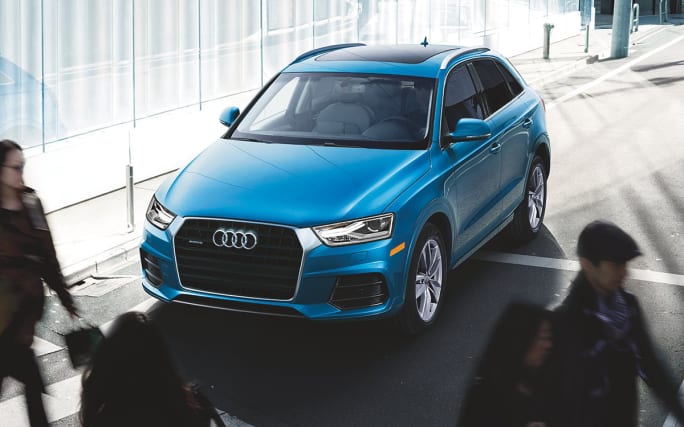
Used subcompact luxury CUVs such as the Audi Q3 suffered a 19.2% year-over-year value decrease in December, leading all categories in Black Book’s latest rankings. Photo courtesy Audi AG
LAWRENCEVILLE, Ga. — According to Black Book data, the average price of a used vehicle for model years 2012–’16 depreciated in value by 2.9%. Cars overall dropped by 3.0% and trucks decreased by 2.8% in value during December. All vehicles averaged a 12-month depreciation of 13.2% during 2017, compared to a depreciation of 17.3% in 2016.
The largest average depreciation for December was in the subcompact luxury crossover segment, which fell by 4.8%. Vehicles in this segment finished December with an average price of $14,952, a 19.2% decrease from the $18,496 price tag these units enjoyed just a year ago.
Prestige luxury cars saw the largest decrease in value from year-ago levels. This category dropped 23.4% since December of 2016, when its average price was $41,452. This group currently averages $31,745.
Two vehicle segments tied for the lowest depreciation during December: Small pickups and full-size vans decreased in value by just 1.7%.
“Vehicle values ended the year with an easing of depreciation during the month of December,” said Anil Goyal, Black Book’s senior vice president of automotive valuation and analytics. “Between a stronger-than-expected spring selling season that lasted into early summer and the two hurricanes during the fall that required a healthy dose of vehicle replacement activity, we saw lower overall depreciation this year compared with 2016.”
More F&I

Modern Technology Objection Handling
In this video, Trent White shares how to confidently handle technology-based objections by helping customers understand the value of protection, even with modern vehicle technology.
Read More →
Consistency at Scale: Driving F&I Performance
With 75 rooftops across the Sunshine State, Morgan Auto Group has proven to Floridians that it knows a thing or two about driving performance in a competitive market. But it didn’t start at the top.
Read More →
Gitty Up on GAP
The foundational finance-and-insurance product hasn’t kept up with the latest conditions for auto dealers. Is the time ripe?
Read More →
How AI-Powered Coaching Is Transforming F&I Performance
See how AI-powered coaching can turn F&I customer conversations into actionable insights that support compliance, performance and profitability
Read More →
Sell Value, Build Trust
In this video, Trent White explains why selling on value, not fear, builds lasting customer trust, reduces cancellations, and drives long-term success.
Read More →
F&I Sales Give Dealers First-Half Lift
Product business shored up total profits to avoid an overall revenue tanking as product penetrations held steady, StoneEagle reported.
Read More →
Targeted Training Drives Results
Today’s technology, instead of threatening F&I managers, can actually make them better, according to an industry veteran who’s watched market setbacks roil the unprepared.
Read More →
Double the Change, Double the Chance
When an F&I manager gets a customer refusal, it’s a wise move to tweak more than one thing in the product offering.
Read More →
Just Do It
F&I managers need training, but instead of resisting application or expecting perfection, they should improve by simply acting on what they learn.
Read More →
Dealer Lender Preferences Revealed
When lenders provide consistent, fast service, their overall satisfaction scores with dealers greatly improve, according to JD Power research.
Read More →