



Buyer Satisfaction Up Despite High Prices
Auto consumers reported greater satisfaction last year despite higher prices and rising tariffs, due to an omnichannel approach blending online and in-person shopping, Cox Automotive research found.

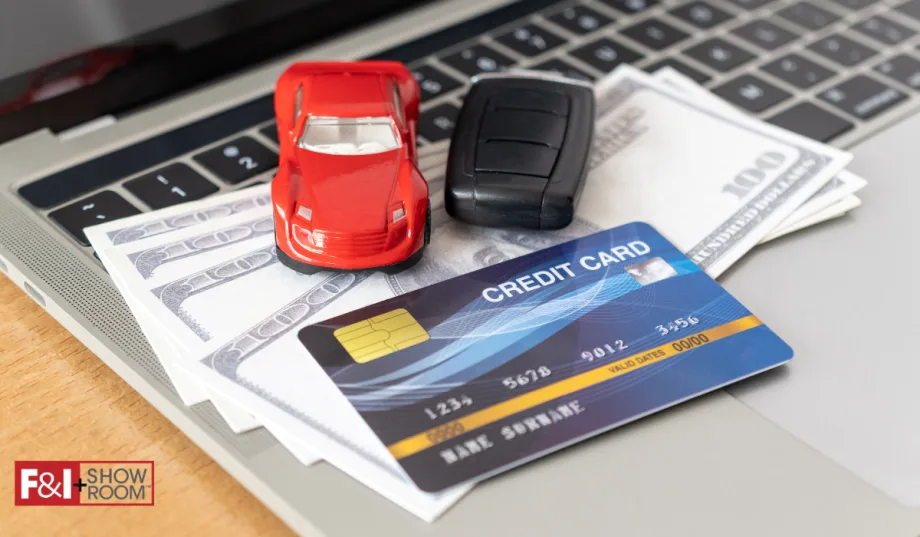
The average transaction price of new vehicles hit an all-time high in December of $50,326.
Canva
Recent reports by Cox Automotive show that consumers’ vehicle-buying satisfaction increased last year despite rising prices and tariff concerns.
According to the 16th annual Car Buyer Journey Study from Cox Automotive, consumers are shifting their approach to car buying and finding greater satisfaction in the process. Sixty-three percent told Cox they prefer an omnichannel approach that blends online and in-store experiences. Dealership satisfaction rose three points to 76%, just shy of the all-time high of 77% in 2020.
“When dealers deliver intelligent, seamless experiences, it works: 84% of shoppers who lean into AI-powered online tools report high satisfaction,” said Cox Automotive President of Retail Solutions Lori Wittman.
Tariffs hikes prompted some buyers to accelerate their purchase decisions in 2025, which fueled strong sales in the first half of the year. Sixty-eight percent of buyers who purchased sooner said they were satisfied with the prices they paid.
Based on Kelley Blue Book’s latest report, those buyers are probably grateful for their early decisions, as the average transaction price of new vehicles hit an all-time high in December of $50,326. Midsize SUVs and full-size pickup trucks were major contributors to the increase as they outperformed in the month.
“We typically see elevated prices in December, as the market delivers a strong mix of high-end and luxury vehicle sales,” said Cox Executive Analyst Erin Keating. “It’s important to remember, the Kelley Blue Book ATP is a reflection of what was sold in a given month, not what is available.”
The average price paid for a new electric vehicle in December was $58,034, up from $56,691 a year earlier. Tesla, still the best-selling EV brand in the U.S. despite falling in the past two years, had an average price of $53,680, lower by about 3% year-over-year.
More Showroom

Making the Safe Choice
Kelley Blue Book has turned households with teen drivers onto safe and affordable options for their vehicles of choice
Read More →
Inventory Holds Steady
September new-vehicle inventory rose slightly month-over-month, but dealer lots are laden with MY2026 vehicles as the typical model year changeover trudges along.
Read More →
October Auto Sales Fall With the Leaves
A forecast anticipates retail deliveries are down this month as consumers continue to face cost challenges, though more are tapping long loans in order to buy.
Read More →
California Sees Quarterly Gains
California’s new-vehicle market saw a boost in hybrids in the third quarter and its first overall quarterly market gain of the year.
Read More →
New-Vehicle Prices Stay Put
Affordability pressures and model availability shaped new-vehicle sales in September, according to an analysis by Kelley Blue Book.
Read More →
EV Buyer Consideration Shifts
What drives American consumers to purchase an electric vehicle is shifting as the question moves away from Should I?' to 'Which features and experience do I want to have?'
Read More →
Year-to-Date Auto Sales Holding Their Own
A forecast through August shows that automakers have shifted strategies to keep deliveries and revenues up despite tariffs and other economic challenges.
Read More →
Slow to Robo
Ten years of polling consumers shows autonomous vehicles’ profiles have risen considerably, but even more people now want at least some level of control if they go that route.
Read More →
Dealers a Little Down
A third-quarter Cox Automotive survey finds them in a mixed mood, bummed by fallen customer traffic but encouraged by better profits, costs and EV interest.
Read More →
European EV Sales Skyrocket
The EV market on the continent held strong in July with almost 25% of new-car sales being fully electric units, a stark contrast to the U.S., where EV sales declined about 42%.
Read More →