



October Sales Divided
Inventory trends split between the new- and used-vehicle markets, though prices continued to rise for both in October.

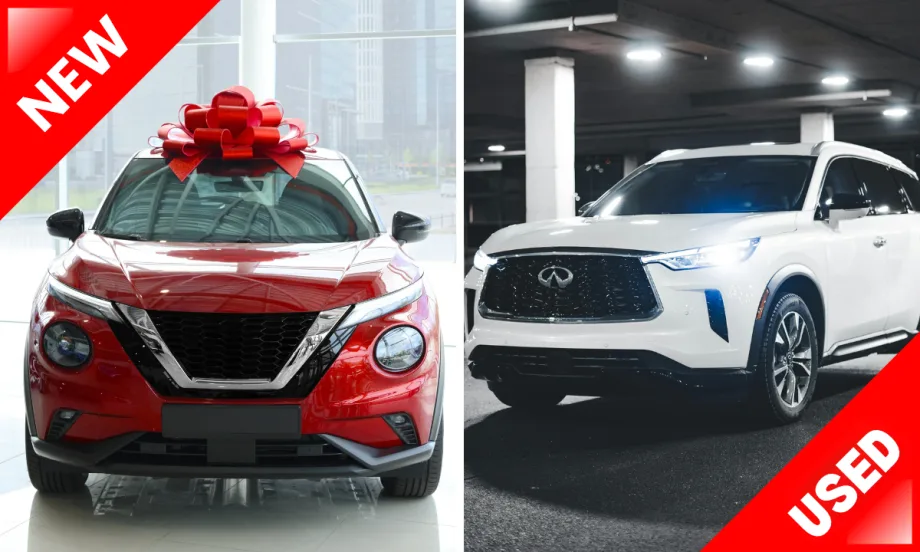
Affordability continues to affect dealership lots as lower-priced vehicles move faster and more expensive vehicles sit longer.
The 2027 model-year changeover picked up speed in the U.S. in October, while the new-vehicle sales pace held steady amid continuously rising prices.
According to Cox Automotive, 2027 vehicles accounted for 32% of available inventory, up from 22% in September but still down 17 percentage points from model-year changeover levels a year ago.
Availability varied across brands. For example, 58% of Kia inventory was 2027s, while Toyota had only 17% of the new class of vehicles. The transition for some models was nearly complete, 2027 vehicles representing practically 100% of Kia Telluride inventory, nearly 99% of Honda HR-Vs and 93% of Chevrolet Equinoxes.
The 2.9 million units of supply represented the second consecutive month of inventory growth, up 4% from September though down 3% year-over-year. Days’ supply reached 87, up four days from September but lower than last year’s 90-day level.
Brandwise, Toyota had the lowest days’ supply at 39. By contrast, Jeep had 159 days’ supply. Even top-selling models showed the divide, the Toyota Grand Highlander dipping to just 22 days while Jeep Grand Cherokee tipped the scales at 149.
Average new-vehicle listing prices were up nearly 3% year-over-year to $50,498. But according to Cox, about half of available inventory came in at $50,000 or less. Vehicles under that price point had a days’ supply below the 87-day national average, and as the price point rose, so did days on the lot.
Meanwhile, in the used-vehicle market, sales pace and inventory both declined month-over-month. The year-over-year comparison showed slightly different results: Inventory was flat while the sales pace fell 1% to a retail volume of about 1.4 million.
Demand was concentrated among vehicles 1- to 3 years old. Top-selling brands included Ford, Chevrolet, Toyota, Honda and Nissan.
The average used-vehicle listing price rose 5% year-over-year to $27,133. Cox said the pricing pattern has changed course from the previous two years. Instead of rising in the spring, flattening in the summer, and slowly rising throughout the rest of the year, prices shot up in the spring and have stayed high.
Used-vehicles priced below $15,000 dropped in availability, accounting for just 16% of inventory, down 19% year-over-year. Average days’ supply was only 34.
Certified preowned sales rose 9% year-over-year and 6% month-over-month for a 16% share of total used-vehicle sales.
More Showroom
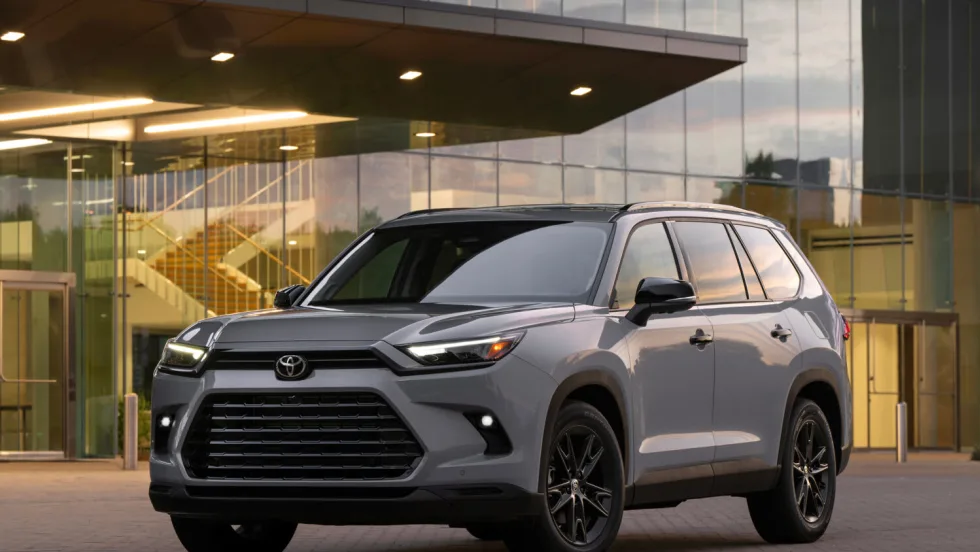
Auto Transaction Prices Hit New Height
October sales of big, pricey models push up the average, even as budget-conscious consumers snag more economical options.
Read More →
Making the Safe Choice
Kelley Blue Book has turned households with teen drivers onto safe and affordable options for their vehicles of choice
Read More →
Inventory Holds Steady
September new-vehicle inventory rose slightly month-over-month, but dealer lots are laden with MY2026 vehicles as the typical model year changeover trudges along.
Read More →
October Auto Sales Fall With the Leaves
A forecast anticipates retail deliveries are down this month as consumers continue to face cost challenges, though more are tapping long loans in order to buy.
Read More →
California Sees Quarterly Gains
California’s new-vehicle market saw a boost in hybrids in the third quarter and its first overall quarterly market gain of the year.
Read More →
New-Vehicle Prices Stay Put
Affordability pressures and model availability shaped new-vehicle sales in September, according to an analysis by Kelley Blue Book.
Read More →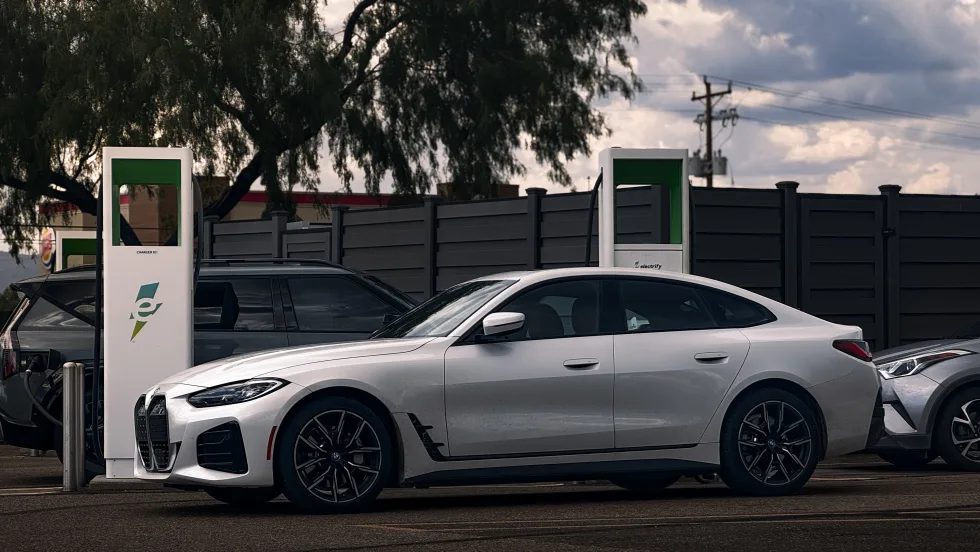
EV Buyer Consideration Shifts
What drives American consumers to purchase an electric vehicle is shifting as the question moves away from Should I?' to 'Which features and experience do I want to have?'
Read More →
Year-to-Date Auto Sales Holding Their Own
A forecast through August shows that automakers have shifted strategies to keep deliveries and revenues up despite tariffs and other economic challenges.
Read More →
Slow to Robo
Ten years of polling consumers shows autonomous vehicles’ profiles have risen considerably, but even more people now want at least some level of control if they go that route.
Read More →
Dealers a Little Down
A third-quarter Cox Automotive survey finds them in a mixed mood, bummed by fallen customer traffic but encouraged by better profits, costs and EV interest.
Read More →