



CFPB Says Santander Violated Fair Lending Laws
The CFPB has notified the Department of Justice that Santander Consumer USA’s auto lending practices have allegedly violated fair lending laws, according to a regulatory filing.

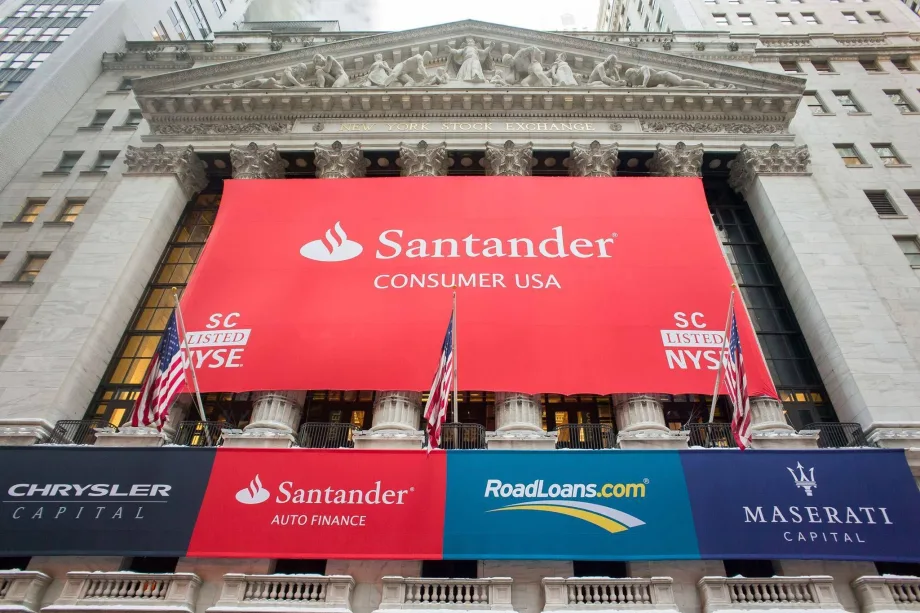
DALLAS — On Monday, Santander Consumer USA revealed in a regulatory filing that it could face regulatory scrutiny from the Department of Justice (DOJ) regarding its dealer participation policies.
On July 31, according to the filing, the Consumer Financial Protection Bureau (CFPB) notified Santander that it had alerted the DOJ to what it considers to be violations of the Equal Credit Opportunity Act (ECOA). The bureau alleges that the auto loans purchased by Santander from dealers contained “statistical disparities in markup” charged to minority borrowers.
The CFPB also noted that the “treatment of certain types of income” in the finance source’s underwriting process could be at odds with the ECOA.
“The company does not believe that there are any proceedings, threatened or pending, that, if determined adversely, would have a material adverse effect on the consolidated financial position, results of operations, or liquidity of the company,” the filing read, in part.
Santander paid $9.35 million in February to resolve a DOJ lawsuit charging that its vehicle repossession practices violated the Servicemembers Civil Relief Act. Its subprime auto lending business was also the subject of scrutiny by the DOJ and Massachusetts Attorney General Martha Coakley last year.
The finance source noted in its regulatory filing that it has received civil subpoenas from multiple state regulators, and is “complying with the requests for information and document preservation” related to its underwriting and securitization of auto loans.
The CFPB has been targeting multiple finance sources in recent months related to auto lending policies that allow dealers to mark up the interest rate on retail installment sales contracts as compensation for arranging financing for car buyers. The regulator believes that when dealers are given the discretion to mark up interest rates, minority buyers pay more for auto loans than white buyers.
Earlier this month, the Wall Street Journal reported that Fifth Third Bank could be forced to cap the markup it allows dealers to make as part of a rumored settlement with the bureau. Honda Finance Corporation reached a $24 million settlement with the bureau and the DOJ in July, and agreed to lower its markup caps from 2.25% to 1.25% above the buy rate for auto loans with terms of five years or less, and from $2% to 1% on loans with longer terms.
More Auto Finance
Interest Rates Further Squeeze Auto Consumers
Last month’s hike and a potential second increase this month add to a growing list of inflation woes that could continue to dent overall car sales.
Read More →
Mind Your Process
Consistent steps taken in various aspects of the F&I office can make valuable differences over time, similar to an outline for a best-selling book.
Read More →
Top Five Credit Application Fraud Flags
Compliance audits regularly reveal bad habits that can lead to fraud charges and should have been stamped out decades ago.
Read More →
More Auto Loans for the Taking in August
Riskier categories were on the uptick for the month as lenders loosened access in several areas while balancing out the exposure in another, Cox Automotive reported.
Read More →
July Was Hot for Auto Borrowers
Credit proved readily available for many, but most loans left buyers in negative territory, Cox Automotive said.
Read More →
Dealer Lender Preferences Revealed
When lenders provide consistent, fast service, their overall satisfaction scores with dealers greatly improve, according to JD Power research.
Read More →
Auto Refi Savings Surge
Consumers with 84-month auto loan terms who refinanced saved the most on monthly payments, according to a new report by auto refinancing provider Caribou.
Read More →
Subaru Enters Lending Business
The automaker follows other brands in adding captive financing in the U.S., and says the move will strengthen its position here.
Read More →
Positive Equity Reaches Record High
Mainstream vehicle owners who bought a car seven years ago are likely to have positive equity when trading in for a new vehicle, according to second-quarter Edmunds data.
Read More →
Dealerships Are Paying the Price for Extended Car Loans
Growing negative-equity scenarios mean such lengthy terms should be addressed in a forward-looking way to make them work for the dealer and the consumer down the road.
Read More →