



CFPB to Release White Paper on Proxy Methodology
During the CFPB’s semi-annual report to the House Financial Services Committee, Director Richard Cordray said the agency will be releasing a white paper on the methodology it uses to determine the presence of discrimination in auto loans.

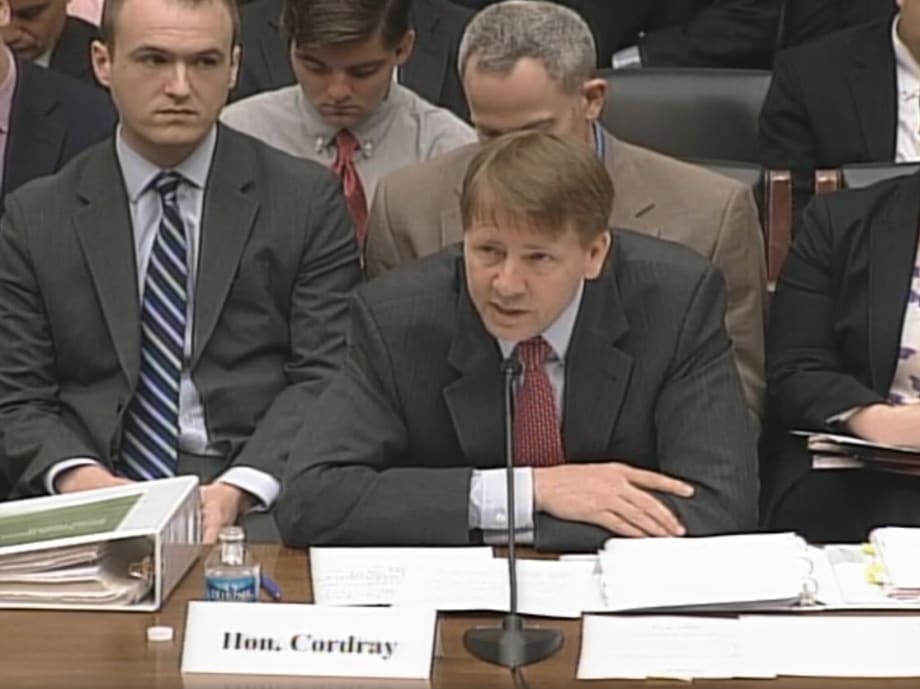
WASHINGTON, D.C. — In a hearing before the House Financial Services Committee on Wednesday, Richard Cordray, director of the Consumer Financial Protection Bureau (CFPB), announced that the agency will issue a white paper on how it uses the proxy method to determine the presence of discrimination in the indirect auto lending market.
The white paper is expected to be released later this summer, Cordray said during the bureau’s semi-annual report to the committee. He also noted that the bureau discussed at length in a recent webinar with the Federal Reserve its use of U.S. Census data and the Bayesian Improved Surname Geocoding (BISG) proxy method to determine whether minorities are paying higher rates for auto loans.
“… we and the Federal Reserve largely agree on the methodology presented to [the] industry,” Cordray said.
“We are working on a whitepaper on the proxy methodology in particular that we expect to have out later this summer,” he added. “We are continuing to try to respond on this issue.”
The National Automobile Dealers Association (NADA), however, was not satisfied by the bureau’s proposal. Following the hearing, the association responded to Cordray’s announcement. Officials said that while the association would welcome details regarding the auto lending guidance the bureau issued last March, it does not believe the white paper will answer all of the industry’s questions.
According to the guidance, lenders will be held responsible for discriminatory pricing resulting from policies that allow dealers to mark up interest rates as compensation for services rendered. The guidance is currently being threatened by H.R. 4811, a measure passed by the House Financial Services Committee this month and is now awaiting a vote by the full House of Representatives. If approved by Congress, the measure could rescind the bureau’s guidance.
“… Cordray only offered to provide information on one aspect of its analysis, the proxy methodology,” read a statement from the NADA, in part. “Since this would leave many unanswered questions regarding other critical aspects of the analysis, including how the bureau ensures that it is only comparing similarly situated customers, it reinforces the need for the Bureau Guidance Transparency Act, H.R. 4811, to increase CFPB transparency.”
More Compliance

Variations on a Theme – Lease Packing
Dealers must be careful they don’t run afoul of the law when it comes to such deceptive practices, as there are many cases pointing to the potential bad ends of such deals.
Read More →
Your 10-Point Compliance Checklist
Identify areas of concern and opportunities for training by updating, installing and enforcing a compliance checklist that requires specific actions for sales, F&I and accounting.
Read More →
A Continuing Antediluvian Dealer Fraud: Payment Packing
The longtime illegal practice, which can take many forms, can get a dealer and its employees in deep trouble. It’s a good idea to determine if anyone in your stores is doing it and to weed it out if so.
Read More →
Line 1 Is Not a Junk Drawer
Rolling products into the cash price — even if the bank told you to — misrepresents the vehicle’s value and runs afoul of four federal laws.
Read More →
Dueling Banjos in the Car Biz
Reports and accounts at variance show auto dealers’ trust profiles have risen in many consumers’ minds but that there remains a need for greater transparency by some.
Read More →
NADA and the Miracle on 34th Street
Automotive dealers should follow the National Automobile Dealers Association's consumer-friendly guidelines in order to minimize their legal risks.
Read More →
Another Look at a Recent Data Breach
Get caught up on the most pressing legal and regulatory matters facing dealers and F&I professionals, including data security, shotgun purchases, and inconsistent payment quotes.
Read More →


The Best Thing a Dealer Can Do to Avoid Legal Problems
Citing the issue is a strategy borrowed from the legal field itself.
Read More →