



ChannelNet Renews Relationship With BMW Financial Services
The marketer now lists five of the Top 10 captives as users of its services, which include connecting brands to customers through a variety of online channels.
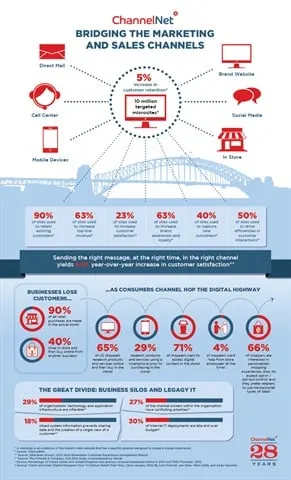
DEARBORN, Mich. — ChannelNet, which connects brands to their customer through a variety of online channels, including microsites, has renewed its eight-year relationship with BMW Financial Services. The firm now counts five of the Top 10 captives as clients.
Delivering customer acquisition, retention and conquest services via web-based solutions, ChannelNet also works with Hyundai, Volkswagen Credit, Audi Financial Services, Volvo, Mitsubishi Motors, Kia Finance and Southeast Toyota Financial. The company expects a year-over-year sales increase of more than 40 percent in 2013, company officials said.
“Our software platform, ChannelNet SiteBuilder, enables us to create a unique customer experience for every corporate client and at the same time automate the marketing and sales process,” Tompkins said. “Each finance company can exploit their own data to meet their specific business priorities. One of the most critical elements of why our solutions are so in demand is it gives sales and marketing the ability to follow the vehicle through the whole life cycle of ownership. In this way, different business goals can be achieved, such as call center volume reductions, lowering of direct marketing expenses, increased customer retention and incremental sales increase.”
The company’s services speak to trend noted in the 2013 KPMG Global Automotive Executive Survey, which revealed that captives believe that moving online toward a more customer-centric model is a key driver for future success.
According to ChannelNet officials, the most significant goal for their auto finance customers is to increase repeat business by creating a richer online experience that is personal and ensures greater satisfaction for owners. Tomkins noted that the firm’s microsites, which used software-as-a-service to connect companies with their customers to sell products and services, typically drive at least a five percent increase in customer retention rates.
“We know from our website tracking data that over 40 percent of the lenders’ customers use these microsites,” said Tompkins.
More F&I

Modern Technology Objection Handling
In this video, Trent White shares how to confidently handle technology-based objections by helping customers understand the value of protection, even with modern vehicle technology.
Read More →
Consistency at Scale: Driving F&I Performance
With 75 rooftops across the Sunshine State, Morgan Auto Group has proven to Floridians that it knows a thing or two about driving performance in a competitive market. But it didn’t start at the top.
Read More →
Gitty Up on GAP
The foundational finance-and-insurance product hasn’t kept up with the latest conditions for auto dealers. Is the time ripe?
Read More →
How AI-Powered Coaching Is Transforming F&I Performance
See how AI-powered coaching can turn F&I customer conversations into actionable insights that support compliance, performance and profitability
Read More →
Sell Value, Build Trust
In this video, Trent White explains why selling on value, not fear, builds lasting customer trust, reduces cancellations, and drives long-term success.
Read More →
F&I Sales Give Dealers First-Half Lift
Product business shored up total profits to avoid an overall revenue tanking as product penetrations held steady, StoneEagle reported.
Read More →
Targeted Training Drives Results
Today’s technology, instead of threatening F&I managers, can actually make them better, according to an industry veteran who’s watched market setbacks roil the unprepared.
Read More →
Double the Change, Double the Chance
When an F&I manager gets a customer refusal, it’s a wise move to tweak more than one thing in the product offering.
Read More →
Just Do It
F&I managers need training, but instead of resisting application or expecting perfection, they should improve by simply acting on what they learn.
Read More →
Dealer Lender Preferences Revealed
When lenders provide consistent, fast service, their overall satisfaction scores with dealers greatly improve, according to JD Power research.
Read More →