



Court Ruling Ends Tate’s Auto Comeback Bid
A bankruptcy court ruling allowing two captives to reclaim inventory has officially closed the doors on Tate’s Auto Group after more than 40 years in business.

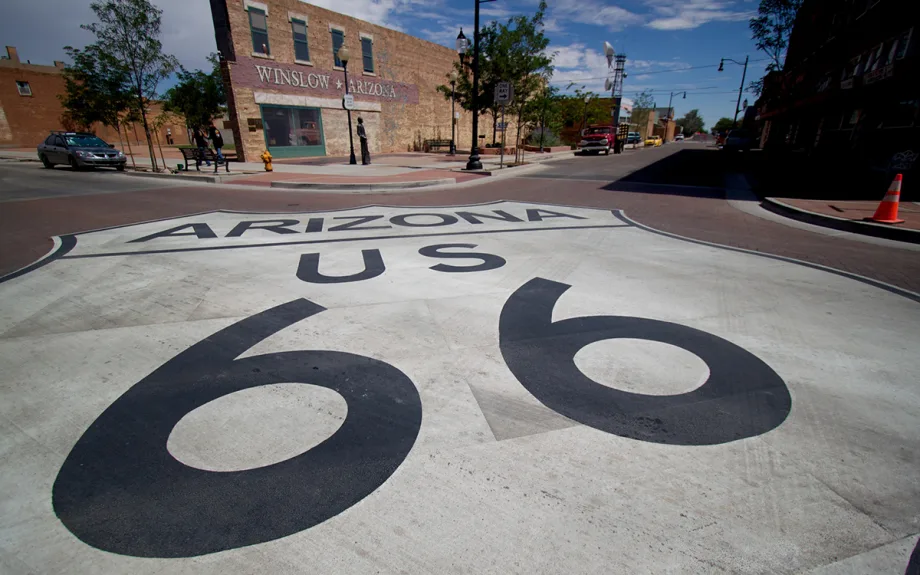
Tate’s Auto Group of Arizona and New Mexico has closed its four dealerships, a “sad end” that should have been prevented by bankruptcy proceedings, according to co-owner Richard Barry.
Photo by Alan Levine via Flickr
PHOENIX — Tate’s Auto Group’s four Arizona and New Mexico new-car dealerships have officially closed following a federal bankruptcy court ruling that allowed two captive finance companies to reclaim unsold new-vehicle inventory.
Federal bankruptcy Judge Brenda Moody Whinery ruled in favor of Ford Motor Credit and Nissan Motor Acceptance Corp. in late April, lifting a stay that was key to ownership’s attempt to keep the business afloat through a planned reorganization and eventual sale.
The group was founded in 1977 and last owned by group manager Richard Berry and his mother, Linda Tate. They operated Ford, Lincoln, Buick, GMC, Chrysler, Dodge, Jeep, Ram, and Nissan franchises from rooftops in Winslow, Show Low, and Holbrook, Ariz., and Gallup, N.M.
“We had hoped for an opportunity to reorganize our company, protect our business and employees by either bringing forward an investment group or buyer, so in the end we could keep the employees in their jobs,” Berry wrote in a statement. “Unfortunately, the bankruptcy judge sided with Ford Credit and moved to close our business effective essentially immediately. … None of us were prepared for this outcome. Instead of giving us 60 days to bring forward buyers, yesterday, we laid off all of our employees. After serving the White Mountains for over 40 years, it’s a sad end to an incredible business run.”
The bankruptcy stems from $40 million in claims against Tate’s Auto by various finance sources. Ford and Nissan’s captives both claimed the group sold vehicles out of trust, among other contractual violations.
Adding to Tate’s woes, the Federal Trade Commission is weighing charges based on claims brought by some Native American customers, claiming deceptive trade and advertising practices.
Berry had already planned to sell the stores, having retained the services of Southern California’s GlassRatner Advisory & Capital Group. The buy/sell firm reported the group sold 1,155 new vehicles last year, a 59% decline since 2014, at a loss of $7.2 million.
Originally posted on Auto Dealer Today
More Showroom

New Cars Less Affordable
Buying conditions eroded for American shoppers last month due to inflation and interest rates, though they fared better than a year ago.

October Sales Divided
Inventory trends split between the new- and used-vehicle markets, though prices continued to rise for both in October.

Auto Transaction Prices Hit New Height
October sales of big, pricey models push up the average, even as budget-conscious consumers snag more economical options.

Making the Safe Choice
Kelley Blue Book has turned households with teen drivers onto safe and affordable options for their vehicles of choice

Inventory Holds Steady
September new-vehicle inventory rose slightly month-over-month, but dealer lots are laden with MY2026 vehicles as the typical model year changeover trudges along.

October Auto Sales Fall With the Leaves
A forecast anticipates retail deliveries are down this month as consumers continue to face cost challenges, though more are tapping long loans in order to buy.

California Sees Quarterly Gains
California’s new-vehicle market saw a boost in hybrids in the third quarter and its first overall quarterly market gain of the year.

New-Vehicle Prices Stay Put
Affordability pressures and model availability shaped new-vehicle sales in September, according to an analysis by Kelley Blue Book.

EV Buyer Consideration Shifts
What drives American consumers to purchase an electric vehicle is shifting as the question moves away from Should I?' to 'Which features and experience do I want to have?'

Year-to-Date Auto Sales Holding Their Own
A forecast through August shows that automakers have shifted strategies to keep deliveries and revenues up despite tariffs and other economic challenges.