



CUDL Recognizes Six Credit Unions for Best Practices
RANCHO CUCAMONGA, Calif. -- Credit Union Direct Lending announced the winners of the 2004 Best Practices Awards during the Sixth Annual Auto Lending Symposium, held June 16-18 at the Venetian Hotel and Casino in Las Vegas.
RANCHO CUCAMONGA, Calif. -- Credit Union Direct Lending announced the winners of the 2004 Best Practices Awards during the Sixth Annual Auto Lending Symposium, held June 16-18 at the Venetian Hotel and Casino in Las Vegas. Six participating CUDL credit unions were honored for their overall indirect lending practices in the areas of dealer relations, member awareness, portfolio management and program innovation.
The winners were selected from three asset categories. Winners with up to $100 million in assets were Cambridge Portuguese Credit Union (Somerville, Mass.) and Oregon Employees Federal Credit Union (Salem, Ore.). In the $101–$600 million category were Yolo Federal Credit Union (Woodland, Calif.) and IQ Credit Union (Vancouver, Wash.). In the $601 million-plus category, winners included Boeing Employees' Credit Union (Tukwila, Wash.) and Wescom Credit Union (Pasadena, Calif.).
More than 350 attendees representing credit unions, dealerships and vendors attended this year's symposium. The first keynote speaker, Andrew Koblenz, COO of industry affairs at the National Automobile Dealers Association, focused on current trends and ethics in the automotive industry. Following Koblenz was Gretchen Joyce, director of autos at eBay Motors, who explained the benefits of online auto buying. An in-depth comparison of the credit union industry to other financial institutions was discussed by Dave McKay, senior director at J.D. Power and Associates' Power Information Network. Symposium attendees also attended more than 18 educational sessions and roundtable discussions offered. Topics included "Understanding Your Real Competition," "Cross-selling Strategies," "Indirect vs. Direct Methods of Collections," and question-and-answer sessions with representatives from dealerships on the CUDL platform.
CUDL's 2005 Auto Lending Symposium is planned for June 8-10, 2005, in Las Vegas.
More F&I

Integrating Nontraditional F&I Products
The niche presents a strategic advantage for auto dealerships as they move to adapt to fast-changing consumer expectations in today’s market.
Read More →
Trust Is Personal
Technology, no matter how efficient, can’t replace what the human F&I manager can do, which is to bridge the divide between cyberspace and the in-store experience.
Read More →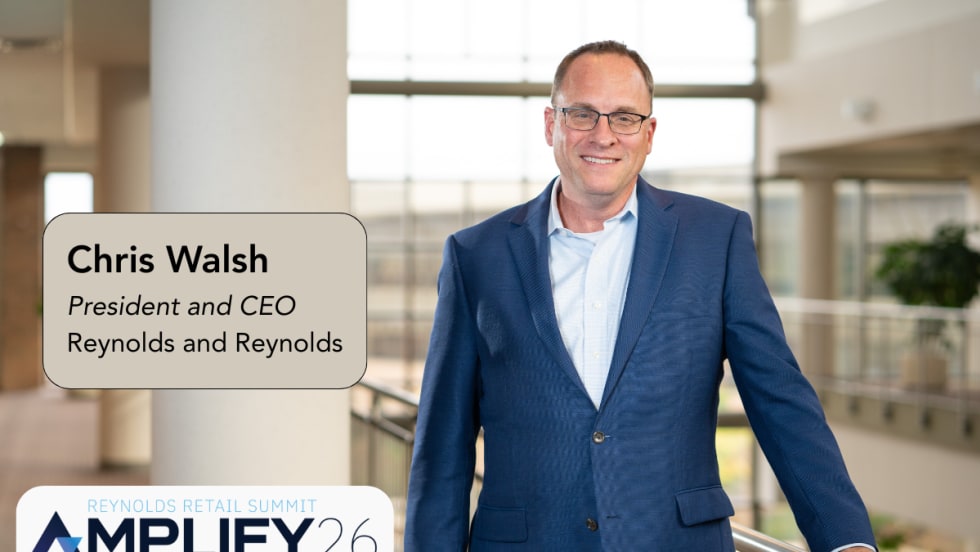
Amplify 2026 Billed as Turning Innovation Into Results
Reynolds and Reynolds says its annual retail summit will connect dealers with practical strategies, peer insight, and technology-driven ideas.
Read More →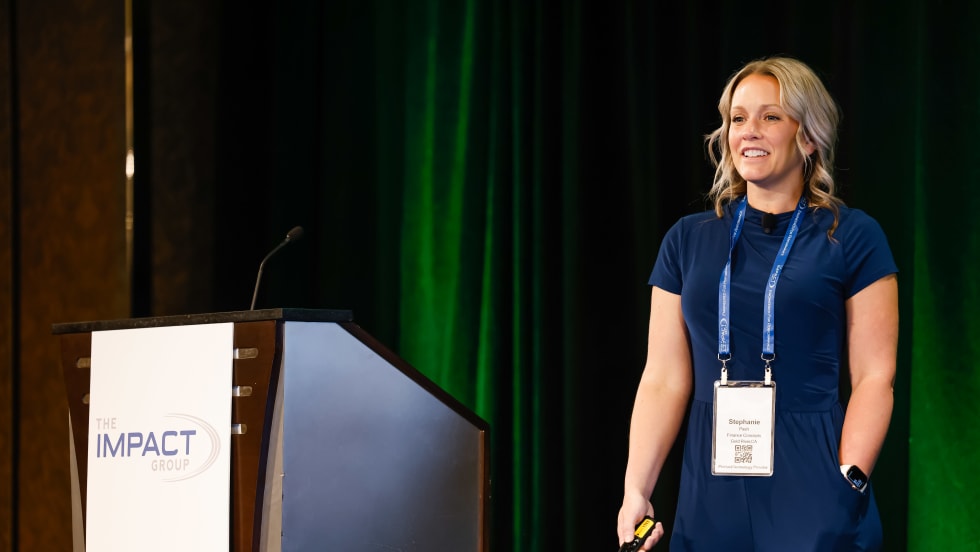
Own Your Outcome: F&I in the Digital Customer Journey
Finance has historically been the last step in the car-buying process, but it doesn’t have to be. The customer’s journey starts long before they arrive at the dealership, and so should F&I’s involvement.
Read More →
Tariffs Could Raise Insurance Premiums
As U.S. import tariffs affect repair costs, consumers might find it more affordable to replace a damaged vehicle, according to recent Insurify tariff analysis.
Read More →
Smaller Loans, Longer Terms
The youngest generation of car buyers is more likely to finance less expensive vehicles, more than half of generation Z consumers borrowing less than $25,000.
Read More →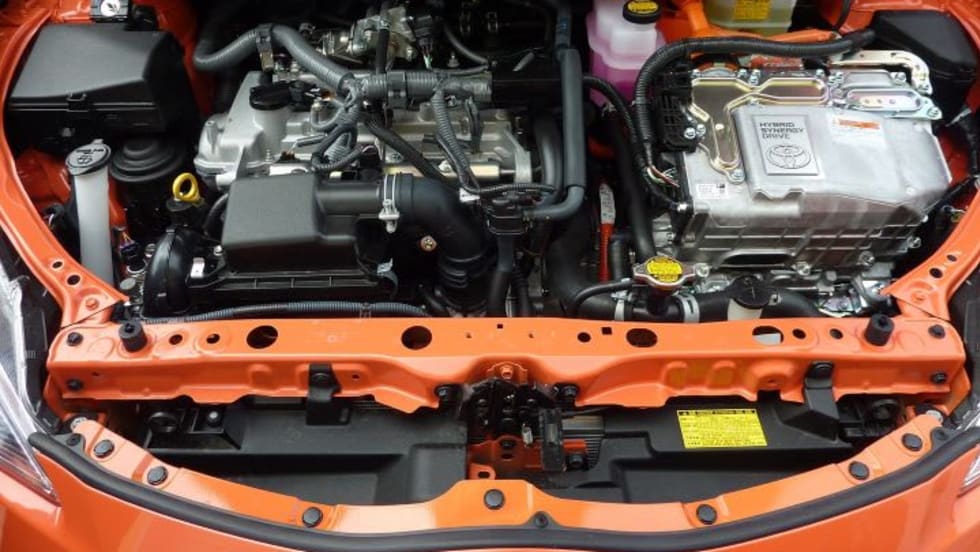
New Lifetime Battery F&I Product Meant to Drive Dealer Traffic
EFG Cos. offering is intended to create lifetime auto dealer engagement with customers.
Read More →
The Psychology Behind Menus That Increase Add-On Sales
There is a science to crafting a menu that gives customers confidence in the choices presented, and moving the process outside the F&I office can further boost results.
Read More →
Why Your F&I PVR Is Misleading You
Here’s a handy checklist of the numbers to track in 2026 instead.
Read More →
Auto Consumer Anxiety Presents Opportunity
A survey of U.S. drivers found the majority are concerned about finances and the economy, but those fears make many ready to buy vehicle-protection products.
Read More →