



Edmunds.com Reports U.S. Automakers Spend Most on Incentives
SANTA MONICA, Calif.--According to Edmunds.com's True Cost of Incentives report, the Big Three's combined spending on incentives was up 1.7 percent in February to $3,409 per vehicle sold in the United States, compared to $3,354 in January. Japanese, European and Korean automakers spent $881, $1,596 and $1,686 per vehicle, respectively.
SANTA MONICA, Calif.--According to Edmunds.com's True Cost of Incentives report, the Big Three's combined spending on incentives was up 1.7 percent in February to $3,409 per vehicle sold in the United States, compared to $3,354 in January. Japanese, European and Korean automakers spent $881, $1,596 and $1,686 per vehicle, respectively.
Among all the manufacturers, Chrysler was the biggest spender on incentives--$3,857 per vehicle--while adding 0.45 percent of market share.
The average incentive was $2,459 per vehicle sold in the United States in February, up $94 or 4 percent from January and up $324 or 15.2 percent from February 2003.
Edmunds.com reported that, among brands, Mini spent almost nothing on incentives, Scion spent $66 per vehicle and Lexus spent $159. Oldsmobile again spent the most per vehicle, $5,191, with Lincoln and Mercury coming in second and third at $4,540 and $4,314.
Among vehicle segments, large cars had the overall highest incentives at $3,881, then SUVs at $3,224 and minivans at $3,220. Luxury SUVs, luxury sports cars and sports cars had the lowest incentives at $1,227, $1,855 and $1,884, respectively.
Average days-to-turn--the time it takes to sell vehicles after they arrive at dealerships--was 69 in February compared to 64 in both January 2004 and February 2003. Isuzu took the longest to sell at 144 days-to-turn, followed by Mitsubishi at 121. The Scion and Mini had the shortest days-to-turn at 13 and 23, respectively.
The True Cost of Incentives report looks at all manufacturers' U.S. incentives programs, including subsidized interest rates, lease programs and cash rebates to consumers and dealers. Edmunds.com bases its calculations on sales volume and proportion of vehicles for which each type of incentive was used.
More F&I
Integrating Nontraditional F&I Products
The niche presents a strategic advantage for auto dealerships as they move to adapt to fast-changing consumer expectations in today’s market.
Read More →
Trust Is Personal
Technology, no matter how efficient, can’t replace what the human F&I manager can do, which is to bridge the divide between cyberspace and the in-store experience.
Read More →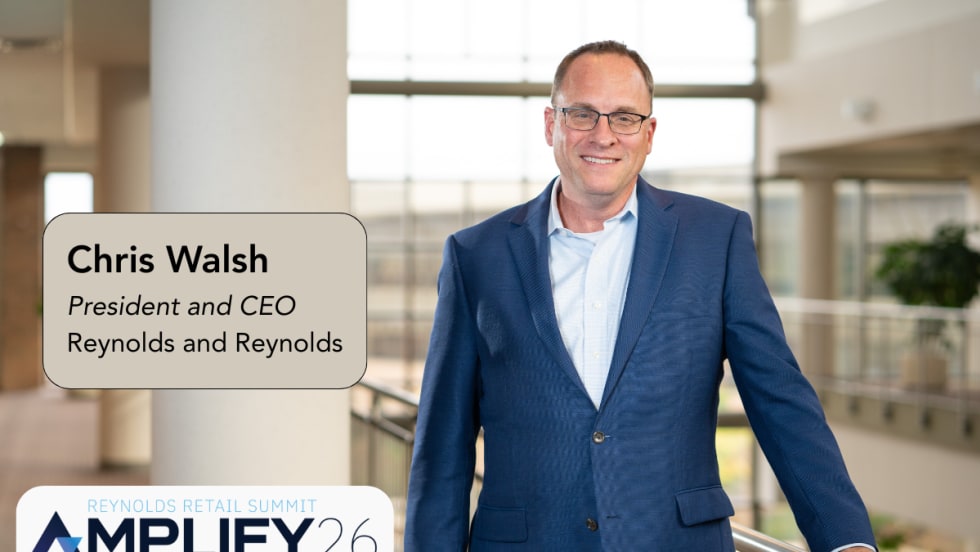
Amplify 2026 Billed as Turning Innovation Into Results
Reynolds and Reynolds says its annual retail summit will connect dealers with practical strategies, peer insight, and technology-driven ideas.
Read More →
Own Your Outcome: F&I in the Digital Customer Journey
Finance has historically been the last step in the car-buying process, but it doesn’t have to be. The customer’s journey starts long before they arrive at the dealership, and so should F&I’s involvement.
Read More →
Tariffs Could Raise Insurance Premiums
As U.S. import tariffs affect repair costs, consumers might find it more affordable to replace a damaged vehicle, according to recent Insurify tariff analysis.
Read More →
Smaller Loans, Longer Terms
The youngest generation of car buyers is more likely to finance less expensive vehicles, more than half of generation Z consumers borrowing less than $25,000.
Read More →
New Lifetime Battery F&I Product Meant to Drive Dealer Traffic
EFG Cos. offering is intended to create lifetime auto dealer engagement with customers.
Read More →
The Psychology Behind Menus That Increase Add-On Sales
There is a science to crafting a menu that gives customers confidence in the choices presented, and moving the process outside the F&I office can further boost results.
Read More →
Why Your F&I PVR Is Misleading You
Here’s a handy checklist of the numbers to track in 2026 instead.
Read More →
Auto Consumer Anxiety Presents Opportunity
A survey of U.S. drivers found the majority are concerned about finances and the economy, but those fears make many ready to buy vehicle-protection products.
Read More →