



Experian Examines the Muscle Car Resurgence
Experian Automotive's review of the American muscle car resurgence found that Chevrolet Corvette and Dodger Viper buyers tend to pay cash, while the Dodge Charger was the most leased muscle car.
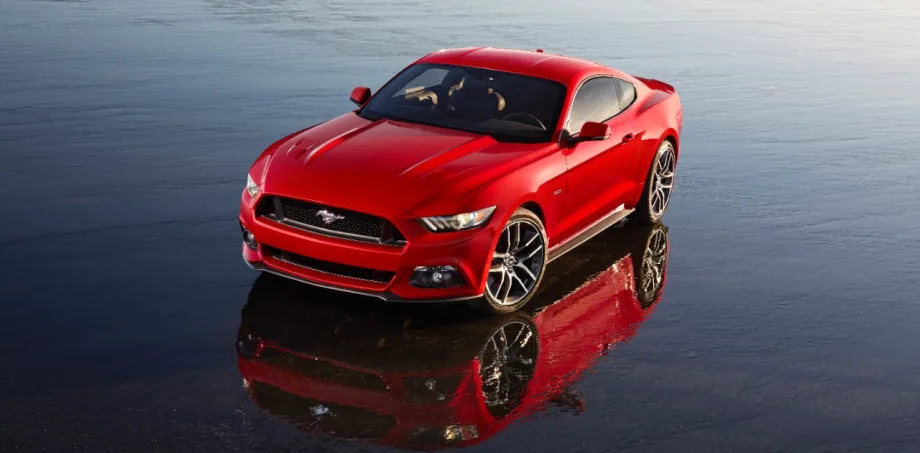
SCHAUMBURG, Ill. — The America muscle car is experiencing a resurgence, with Experian Automotive reporting today that new registrations for such vehicles has increased 35.4% over the last nine years.
Experian looked at the sales patterns of six American models deemed to be muscle cars, including the Dodge Viper, Chevrolet Corvette, Ford Mustang, Dodge Charger, Dodge Challenger and Chevrolet Carmaro. The Mustang was the most popular muscle car with more than 77,000 new registrations in the past nine years, followed by the Chevrolet Camaro with 66,000.
Experian also looked at demographics of muscle car owners, finding correlations between consumers and the cars they bought. Corvette and Viper owners, for instance, were more likely to pay in cash than buyers of other muscle cars, while the Charger was the most-leased vehicle with 12.3% of buyers choosing that financing option.
Buyers of Chargers and Challengers who purchased the cars with a loan were the most likely to have deals with extended terms. Nearly 52.4% of Charger and 29.6% of Challenger buyers had loan terms between 73 and 84 months. Experian also found that buyers of both models had the highest rates of borrowers in the subprime-risk category, with 22.8% of Charger and 18.3% of Challenger owners having credit scores of 600 or below.
By state, Texas was the biggest market for American muscle cars, with Texans being 79% more likely to buy a muscle car than in other areas. Other states where muscle cars were popular included Oklahoma, Louisiana, New Mexico and Nevada.
Muscle car owners also skewed toward males, with men being 21% more likely to buy one than females. Muscle cars were also more likely to be purchased by consumers under 40 than the general population. Experian also found that buyers who made less than $100,000 per year were 7% more likely to buy muscle cars than their higher paid peers.
“The love of the Mustang combined with the reintroduction of the Camaro, Challenger and Charger has sparked a resurgence of the muscle car,” said Brad Smith, Experian’s director of automotive statistics. “While the growing popularity might run contrary to conventional wisdom, consumers are continuing to show their appreciation for a part of American history and not steering away from raw horsepower to focus solely on fuel efficiency.”
More Auto Finance

Interest Rates Further Squeeze Auto Consumers
Last month’s hike and a potential second increase this month add to a growing list of inflation woes that could continue to dent overall car sales.
Read More →
Mind Your Process
Consistent steps taken in various aspects of the F&I office can make valuable differences over time, similar to an outline for a best-selling book.
Read More →
Top Five Credit Application Fraud Flags
Compliance audits regularly reveal bad habits that can lead to fraud charges and should have been stamped out decades ago.
Read More →
More Auto Loans for the Taking in August
Riskier categories were on the uptick for the month as lenders loosened access in several areas while balancing out the exposure in another, Cox Automotive reported.
Read More →
July Was Hot for Auto Borrowers
Credit proved readily available for many, but most loans left buyers in negative territory, Cox Automotive said.
Read More →
Dealer Lender Preferences Revealed
When lenders provide consistent, fast service, their overall satisfaction scores with dealers greatly improve, according to JD Power research.
Read More →
Auto Refi Savings Surge
Consumers with 84-month auto loan terms who refinanced saved the most on monthly payments, according to a new report by auto refinancing provider Caribou.
Read More →
Subaru Enters Lending Business
The automaker follows other brands in adding captive financing in the U.S., and says the move will strengthen its position here.
Read More →
Positive Equity Reaches Record High
Mainstream vehicle owners who bought a car seven years ago are likely to have positive equity when trading in for a new vehicle, according to second-quarter Edmunds data.
Read More →
Dealerships Are Paying the Price for Extended Car Loans
Growing negative-equity scenarios mean such lengthy terms should be addressed in a forward-looking way to make them work for the dealer and the consumer down the road.
Read More →