



GM and Ford CEOs on Heightened Watch for Signs of a Recession
General Motors and Ford Motor Co. CEOs say they are watching for signs of a U.S. recession, despite demand for autos being strong.

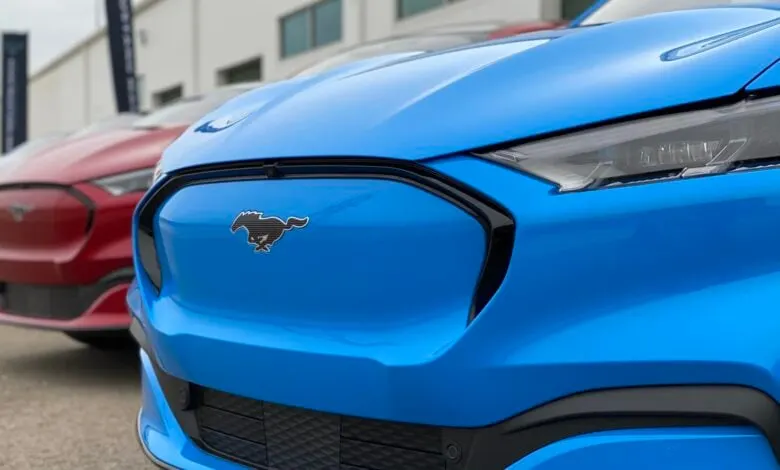
Soaring material costs for electric batteries wiped out expected profits on Ford's electric Mustang Mach-E.
Ford
General Motors and Ford Motor Co. CEOs say they are watching for signs of a U.S. recession, despite demand for autos being strong.
Ford CFO John Lawler told attendees at a Deutsche Bank conference that an economic downturn is a real possibility and that the company is assessing the impacts of inflation and high gasoline prices on the economy. Interest rates may also factor in, as the Federal Reserve approved a 0.75 percentage point rate increase.
Higher commodity costs are also taking a toll on profitability in some areas, reported Lawler. Soaring material costs for electric batteries, for instance, wiped out the profit the automaker expected on its electric Mustang Mach-E.
Lawler also reported Ford Credit, the company’s financing arm, has seen an uptick in auto loan delinquencies. Ford is monitoring the situation closely, he said.
“We’re looking for every indication and every data point we can to get a read on where the consumer is, where they’re headed,” he said.
GM Finance Chief Paul Jacobson says the company plans to maintain flexibility when it comes to raising EV prices, as Ford has already done for the Mustang Mach-E.
“We don’t want to end up in a situation where a customer has ordered a vehicle two, three years out, and we don’t know where inflation is going,” he said.
Still, both CEOs report market dynamics remains automakers’ favor due to pent-up demand for vehicles and low vehicle inventory. However, inflated fuel costs and high inflation could restrain these purchases.
Both executives report they are modeling the outcomes of different recessionary scenarios. GM has increased its scrutiny into hiring decisions and prioritizing its spending on longer-term initiatives, such as in electric vehicles.
Both CEOs said the companies are better-positioned to weather a downturn than in the past. The automakers offer fewer profit-damaging discounts and have less unsold inventory.
“It’s a completely different environment heading into what could be a potential recession than anything I’ve seen in the past,” Lawler said.
Originally posted on Auto Dealer Today
More Auto Finance

Interest Rates Further Squeeze Auto Consumers
Last month’s hike and a potential second increase this month add to a growing list of inflation woes that could continue to dent overall car sales.
Read More →
Mind Your Process
Consistent steps taken in various aspects of the F&I office can make valuable differences over time, similar to an outline for a best-selling book.
Read More →
Top Five Credit Application Fraud Flags
Compliance audits regularly reveal bad habits that can lead to fraud charges and should have been stamped out decades ago.
Read More →
More Auto Loans for the Taking in August
Riskier categories were on the uptick for the month as lenders loosened access in several areas while balancing out the exposure in another, Cox Automotive reported.
Read More →
July Was Hot for Auto Borrowers
Credit proved readily available for many, but most loans left buyers in negative territory, Cox Automotive said.
Read More →
Dealer Lender Preferences Revealed
When lenders provide consistent, fast service, their overall satisfaction scores with dealers greatly improve, according to JD Power research.
Read More →
Auto Refi Savings Surge
Consumers with 84-month auto loan terms who refinanced saved the most on monthly payments, according to a new report by auto refinancing provider Caribou.
Read More →
Subaru Enters Lending Business
The automaker follows other brands in adding captive financing in the U.S., and says the move will strengthen its position here.
Read More →
Positive Equity Reaches Record High
Mainstream vehicle owners who bought a car seven years ago are likely to have positive equity when trading in for a new vehicle, according to second-quarter Edmunds data.
Read More →
Dealerships Are Paying the Price for Extended Car Loans
Growing negative-equity scenarios mean such lengthy terms should be addressed in a forward-looking way to make them work for the dealer and the consumer down the road.
Read More →