



Industry Pushes Into Auto DefCon 4, Says CNW
Likening the industry's current challenges to defense condition rankings, CNW Market Research says pent-up consumer demand is the only thing preventing the auto industry from reaching DefCon 5.
Likening the industry's current challenges to defense condition rankings, CNW Market Research says pent-up consumer demand is the only thing preventing the auto industry from reaching DefCon 5.
The last time the industry reached DefCon 5 was in 1990, a year marked by no sales and fewer intenders. The Bandon, Ore.-based market research company said in its July report that a vast majority of consumers intend to stand on the sidelines for at least 18 months, or until there's an economic turnaround.
Through the first half of the year, automakers saw more than 300,000 new-vehicle intenders drop out of the market, awaiting some type of economic rebound before re-entering the new-car market.
CNW says that number should reach 675,000 consumers by the end of the year, with more than 85 percent indicating that they will return to the market within 18 months. This reality does little for automakers, which need to sell 16.2 million vehicles this year to breakeven.
Among those who were only a month away from making a new-vehicle acquisition and elected to postpone the purchase, the average delay was more than 17 months. That's five months longer than those who put off a vehicle purchase in January and seven months longer than the full-year '07 average.
Among all new-vehicle intenders, CNW's Purchase Deferment Index showed the longest delay this year since it began keeping score 22 years ago at 11 months. Add the totals of those delaying a purchase (675,000) and those who are canceling a purchase (945,000) to the 15 million vehicles CNW expects to be sold this year and the industry could easily have sold more than 16.2 million units in 2008, CNW said.
CNW said the one bright spot is that interest in new cars remains high, even among those who are two or more years away from buying one. This is what's separating today's current struggles with what happened in 1990. In that year, about 16 percent of consumers who were delaying a vehicle purchase for two or more years never read about cars. Today, that percentage has dwindled to 5.6 percent.
"Sales are down because people are postponing a vehicle acquisition, and they can delay that purchase because cars have become significantly better from a quality standpoint," said CNW in its July report. "But they still show a high degree of interest in cars and trucks, based on their readership habits related to vehicles."
More F&I

Integrating Nontraditional F&I Products
The niche presents a strategic advantage for auto dealerships as they move to adapt to fast-changing consumer expectations in today’s market.
Read More →
Trust Is Personal
Technology, no matter how efficient, can’t replace what the human F&I manager can do, which is to bridge the divide between cyberspace and the in-store experience.
Read More →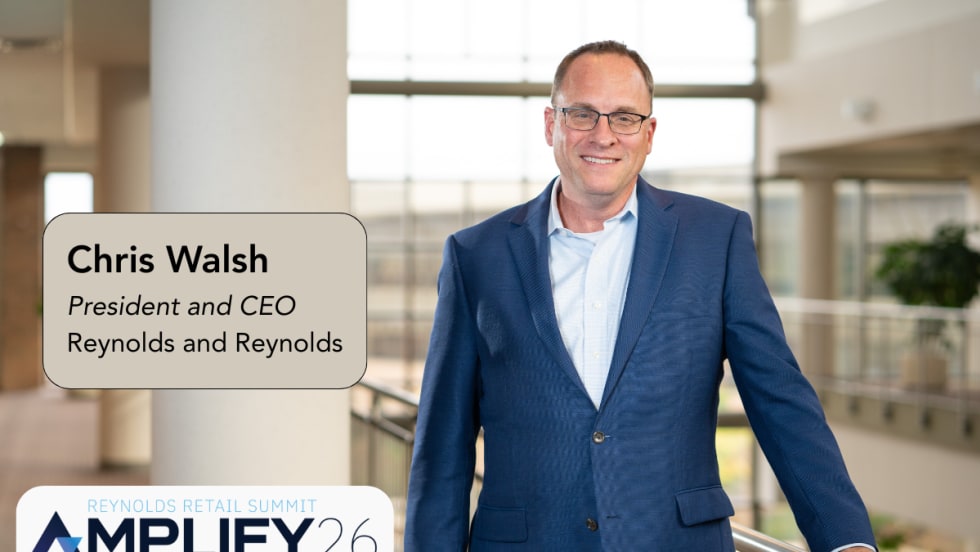
Amplify 2026 Billed as Turning Innovation Into Results
Reynolds and Reynolds says its annual retail summit will connect dealers with practical strategies, peer insight, and technology-driven ideas.
Read More →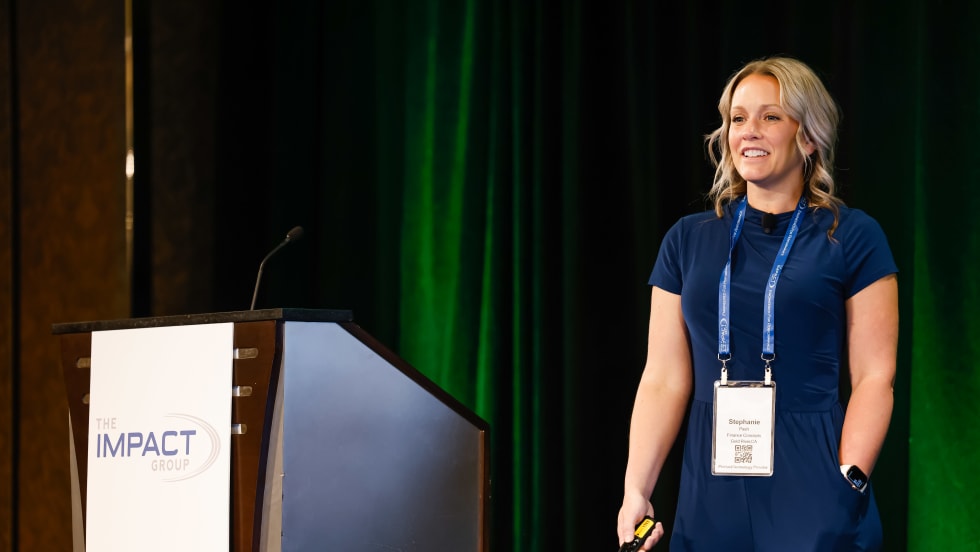
Own Your Outcome: F&I in the Digital Customer Journey
Finance has historically been the last step in the car-buying process, but it doesn’t have to be. The customer’s journey starts long before they arrive at the dealership, and so should F&I’s involvement.
Read More →
Tariffs Could Raise Insurance Premiums
As U.S. import tariffs affect repair costs, consumers might find it more affordable to replace a damaged vehicle, according to recent Insurify tariff analysis.
Read More →
Smaller Loans, Longer Terms
The youngest generation of car buyers is more likely to finance less expensive vehicles, more than half of generation Z consumers borrowing less than $25,000.
Read More →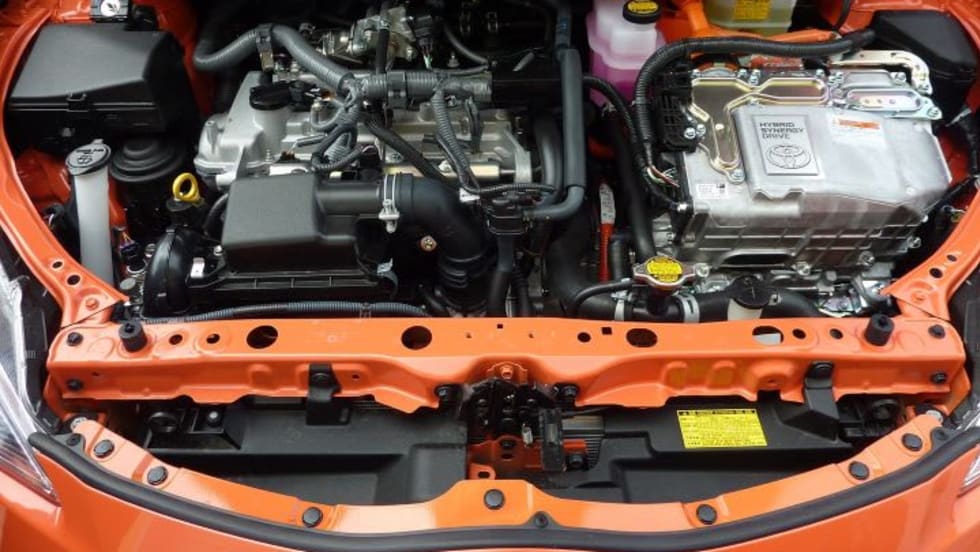
New Lifetime Battery F&I Product Meant to Drive Dealer Traffic
EFG Cos. offering is intended to create lifetime auto dealer engagement with customers.
Read More →
The Psychology Behind Menus That Increase Add-On Sales
There is a science to crafting a menu that gives customers confidence in the choices presented, and moving the process outside the F&I office can further boost results.
Read More →
Why Your F&I PVR Is Misleading You
Here’s a handy checklist of the numbers to track in 2026 instead.
Read More →
Auto Consumer Anxiety Presents Opportunity
A survey of U.S. drivers found the majority are concerned about finances and the economy, but those fears make many ready to buy vehicle-protection products.
Read More →