



KBB: Average New-Car Transaction Price Up 2%
Honda, GM, and Ford were among the top-performing factories in September, helping to drive an average gain of 2% in new-vehicle prices compared with the same month last year.
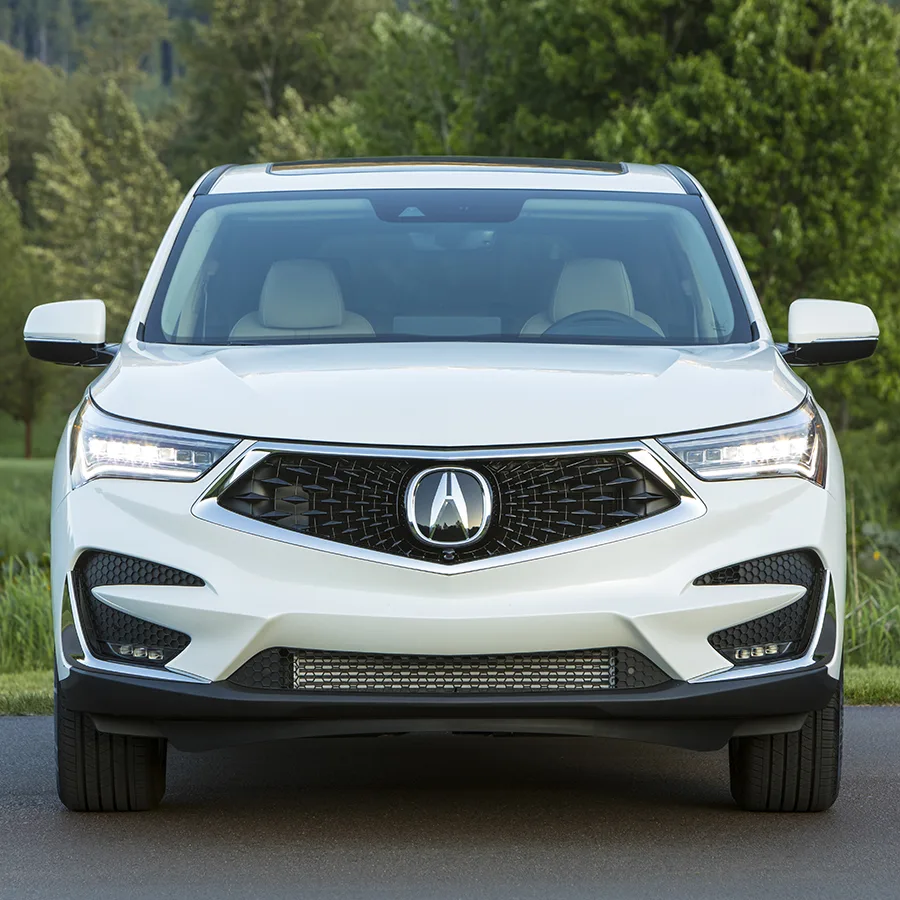
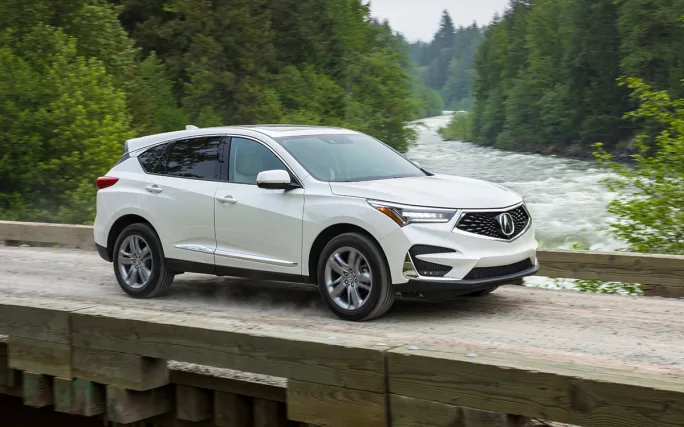
The average transaction price of a new Honda or Acura, including the redesigned Acura RDX, grew 4.6% year-over-year in September, edging out General Motors (4.0%) and Ford (3.2%) for the best-performing U.S. factory. Photo courtesy American Honda Motor Corp.
IRVINE, Calif. — Kelley Blue Book reported the estimated average transaction price for U.S. light vehicles was $35,742 in September 2018. New-vehicle prices increased by $687 (2%) from September 2017, while remaining essentially flat (-0.4%) from last month.
“While September sales are expected to decline, average transaction prices remained strong, rising 2% year-over-year,” said Tim Fleming, analyst for Kelley Blue Book. “With interest rates on the rise and manufacturer incentives at a healthy level, thanks to tighter production, monthly payments for consumers are immediately impacted. If gas prices stay high in the fourth quarter, affordability will likely be a concern for new-car buyers and could lead to fewer sales at year-end.”
American Honda and General Motors were the strongest performers with help from redesigned models and the strength of trucks and utility vehicles. Also among the top three performers, Ford Motor Company’s average transaction prices grew by 3% in September 2018. Lincoln rose 12%, thanks to the Navigator, which was up 33%. The Ford brand also reported a good month, up 3%. The new Expedition had the biggest month for Ford, increasing 16%, while Mustang improved 9% on a high sales mix of the Mustang GT.
Among the major manufacturers, Volkswagen Group reported the only year-over-year decline, falling 1%, as Volkswagen’s 2% gains were offset by Audi’s 4% decline. Volkswagen’s improvement was largely due to the Tiguan, with its share of sales doubling since its redesign. Audi had a lot of new models in its lineup last year, which is contributing to this year’s declines, analysts noted. The Q5, Audi’s top seller, was down 2%.
More Showroom

Making the Safe Choice
Kelley Blue Book has turned households with teen drivers onto safe and affordable options for their vehicles of choice
Read More →
Inventory Holds Steady
September new-vehicle inventory rose slightly month-over-month, but dealer lots are laden with MY2026 vehicles as the typical model year changeover trudges along.
Read More →
October Auto Sales Fall With the Leaves
A forecast anticipates retail deliveries are down this month as consumers continue to face cost challenges, though more are tapping long loans in order to buy.
Read More →
California Sees Quarterly Gains
California’s new-vehicle market saw a boost in hybrids in the third quarter and its first overall quarterly market gain of the year.
Read More →
New-Vehicle Prices Stay Put
Affordability pressures and model availability shaped new-vehicle sales in September, according to an analysis by Kelley Blue Book.
Read More →
EV Buyer Consideration Shifts
What drives American consumers to purchase an electric vehicle is shifting as the question moves away from Should I?' to 'Which features and experience do I want to have?'
Read More →
Year-to-Date Auto Sales Holding Their Own
A forecast through August shows that automakers have shifted strategies to keep deliveries and revenues up despite tariffs and other economic challenges.
Read More →
Slow to Robo
Ten years of polling consumers shows autonomous vehicles’ profiles have risen considerably, but even more people now want at least some level of control if they go that route.
Read More →
Dealers a Little Down
A third-quarter Cox Automotive survey finds them in a mixed mood, bummed by fallen customer traffic but encouraged by better profits, costs and EV interest.
Read More →
European EV Sales Skyrocket
The EV market on the continent held strong in July with almost 25% of new-car sales being fully electric units, a stark contrast to the U.S., where EV sales declined about 42%.
Read More →