



KBB: Memorial Day Shoppers Not Hung Up on Fuel Efficiency
Despite rising gas prices, larger vehicles should remain popular among car buyers through the holiday weekend, according to the results of a new survey by Kelley Blue Book.
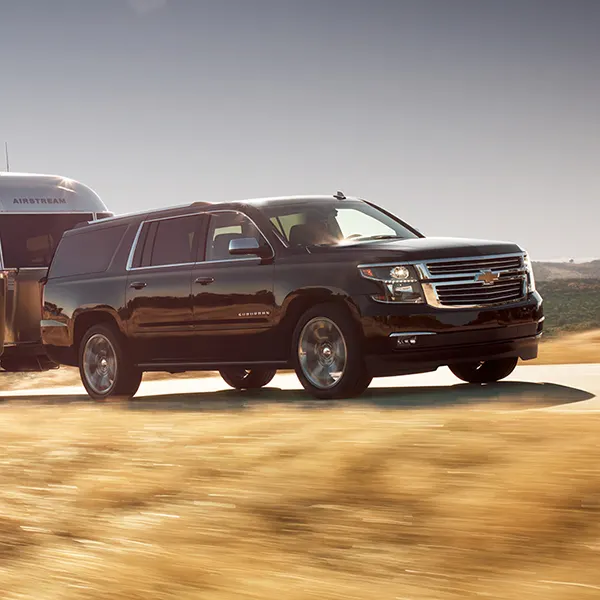
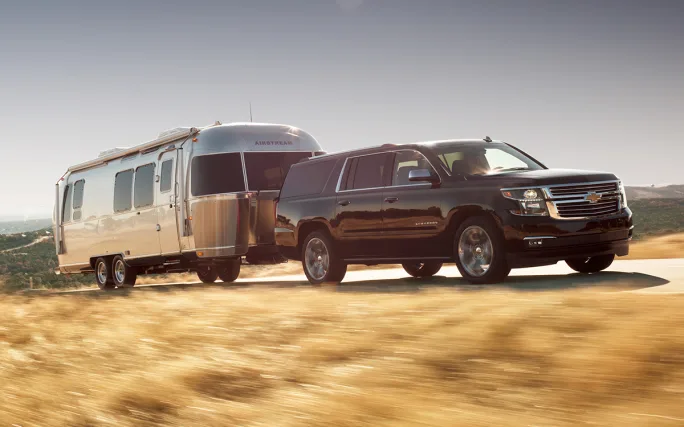
Sixty percent of car shoppers and owners surveyed by Kelley Blue Book said recent gas prices have not affected their choice of vehicle. Photo courtesy General Motors Co.
IRVINE, Calif. — In a recent survey of more than 2,600 car shoppers and owners, the majority (60%) of respondents said that rising gas prices “have not played a role in the vehicle he or she is deciding on,” according to Kelley Blue Book (div. Cox Automotive), indicating that larger vehicles should remain popular through Memorial Day weekend and beyond.
“Attention to gas prices is not as high as it used to be, especially as vehicles — even crossovers, SUVs, and pickups — have become more fuel-efficient,” said Matt DeLorenzo, managing editor of Kelley Blue Book. “It’s not until the tipping point is reached that consumers get more concerned and evaluate where they can save money with a gas-sipping model. Our survey data indicates that $4 per gallon is the tipping point, and we are not there yet nationally.”
The national average price of a gallon of gasoline has risen steadily since the end of 2017, starting at $2.59 in December and climbing to $2.87 by April, according to the U.S. Energy Information Administration. The KBB survey found that $2.50 is considered a “reasonable” price.
Of the 40% of respondents who said recent gas prices did play a role in their selection, 86% said they are considering more fuel-efficient vehicles. Nearly half (48%) said they are now considering a less expensive vehicle than they originally intended.
DeLorenzo believes retailers who track the effects of fuel prices on vehicle selection stand to benefit from the enhanced market intelligence KBB’s data is intended to provide.
“Dealers can use this information to understand the mindset of today’s car shopper and tout the fuel efficiency of their products,” he said. “It also helps them understand when the consumer might be looking for more fuel-efficient models, which could impact inventory decisions.”
More Showroom

Making the Safe Choice
Kelley Blue Book has turned households with teen drivers onto safe and affordable options for their vehicles of choice
Read More →
Inventory Holds Steady
September new-vehicle inventory rose slightly month-over-month, but dealer lots are laden with MY2026 vehicles as the typical model year changeover trudges along.
Read More →
October Auto Sales Fall With the Leaves
A forecast anticipates retail deliveries are down this month as consumers continue to face cost challenges, though more are tapping long loans in order to buy.
Read More →
California Sees Quarterly Gains
California’s new-vehicle market saw a boost in hybrids in the third quarter and its first overall quarterly market gain of the year.
Read More →
New-Vehicle Prices Stay Put
Affordability pressures and model availability shaped new-vehicle sales in September, according to an analysis by Kelley Blue Book.
Read More →
EV Buyer Consideration Shifts
What drives American consumers to purchase an electric vehicle is shifting as the question moves away from Should I?' to 'Which features and experience do I want to have?'
Read More →
Year-to-Date Auto Sales Holding Their Own
A forecast through August shows that automakers have shifted strategies to keep deliveries and revenues up despite tariffs and other economic challenges.
Read More →
Slow to Robo
Ten years of polling consumers shows autonomous vehicles’ profiles have risen considerably, but even more people now want at least some level of control if they go that route.
Read More →
Dealers a Little Down
A third-quarter Cox Automotive survey finds them in a mixed mood, bummed by fallen customer traffic but encouraged by better profits, costs and EV interest.
Read More →
European EV Sales Skyrocket
The EV market on the continent held strong in July with almost 25% of new-car sales being fully electric units, a stark contrast to the U.S., where EV sales declined about 42%.
Read More →