


Leasing Normalizes, Partly Due to EV Transactions
Volume reached near prepandemic levels in the second quarter.


Federal tax credits are available for EV leases, a factor in that slice of the growing lease pie.
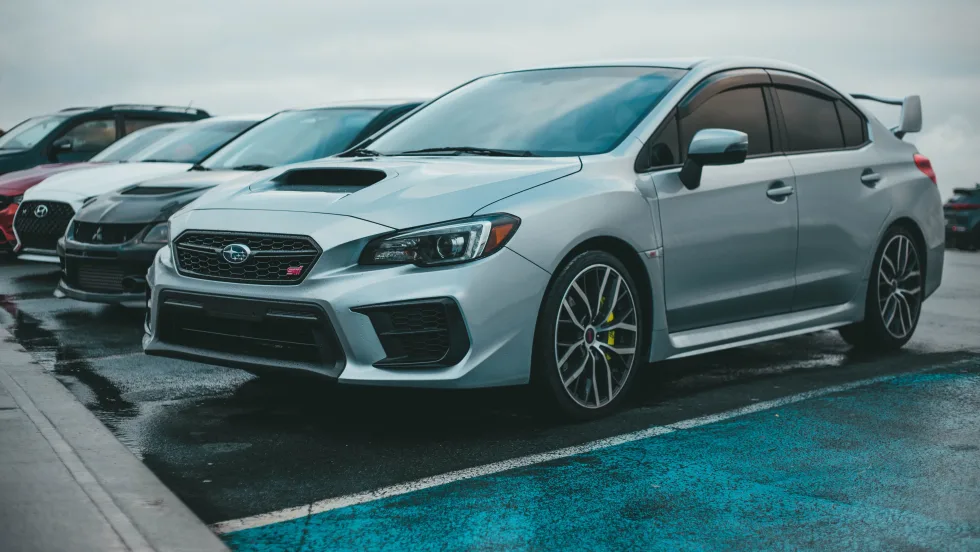
Pexels/Atilla Darvas
Auto leasing is making a comeback after falling sharply during the Covid era, according to a new report, thereby providing more used vehicles down the line to help meet growing demand by cost-crunched consumers.
The TransUnion research shows that in the 12 months ended in the first quarter leasing volume rose from 539,000 units to 714,000. That’s closing in on the 781,000 leased in the first quarter of 2020, at the end of which the pandemic took hold in the West.
The return of normal leasing volume is being driven in part by electric-vehicle leases, the study found. EVs made up about 17% of leases in the second quarter, up from 11% two years earlier, TransUnion said. In fact, more auto consumers are leasing EVs than are financing them. It said almost half of second-quarter EV originations were leases, over twice the level three years earlier, while financed EV transactions were down to a third.
“Multiple factors have contributed to this, but two of the most significant include an increase in lower-priced models being introduced, as well as more new dealer leasing incentives on EVs,” said TransUnion auto and mortgage business leader Satyan Merchant.
Federal tax credits are available for EV leases, TransUnion pointed out. In fact, leases have been exempt from restrictions on eligible vehicle models related to where their battery materials are sourced. The Inflation Reduction Act that authorized the credits treats leased vehicles as commercial and therefore exempts them from such restrictions.
The report pointed out that there’s room to grow leasing further. It said just 30% of lessees are leasing for the first time, down slightly from 33% in 2019.
“… many consumers who may be looking for a pre-owned vehicle later in 2024 and into 2025 may find fewer lease returns resulting in a smaller inventory,” Merchant said. “That’s a group that dealers should consider trying to turn into first-time lessees and should aggressively market towards.”
Originally posted on Auto Dealer Today
More Industry
New-Vehicle Prices Stay Put
Affordability pressures and model availability shaped new-vehicle sales in September, according to an analysis by Kelley Blue Book.
Read More →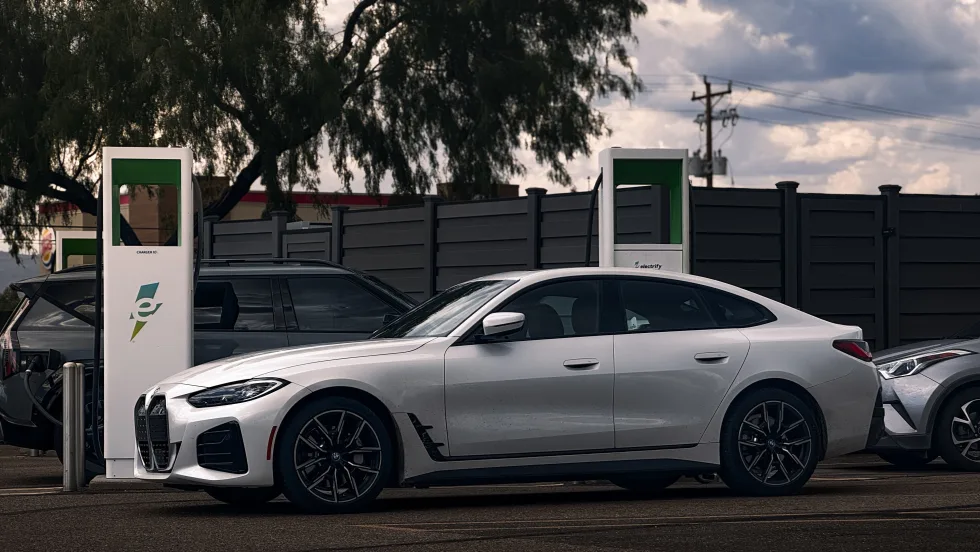
EV Buyer Consideration Shifts
What drives American consumers to purchase an electric vehicle is shifting as the question moves away from Should I?' to 'Which features and experience do I want to have?'
Read More →
Auto Nameplate Loyalty Holds in Tough Times
Consumers have been faithful to brands despite financial pressures, and JD Power says that’s because automakers have made some wise moves.
Read More →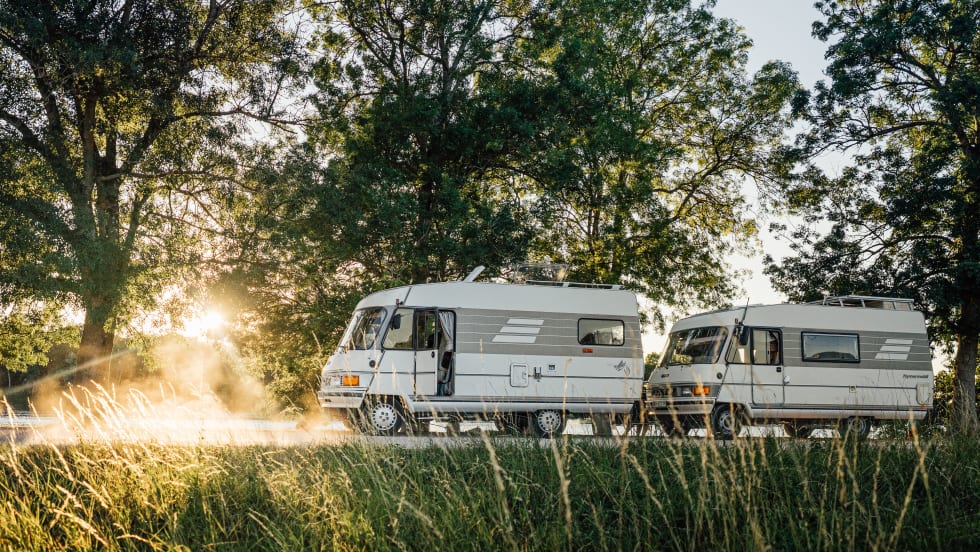
Top New Jersey RV Store Sells
Myer’s RV Superstore is expanding its footprint in the state with two new locations that it acquired from Ed Hutchinson Jr.
Read More →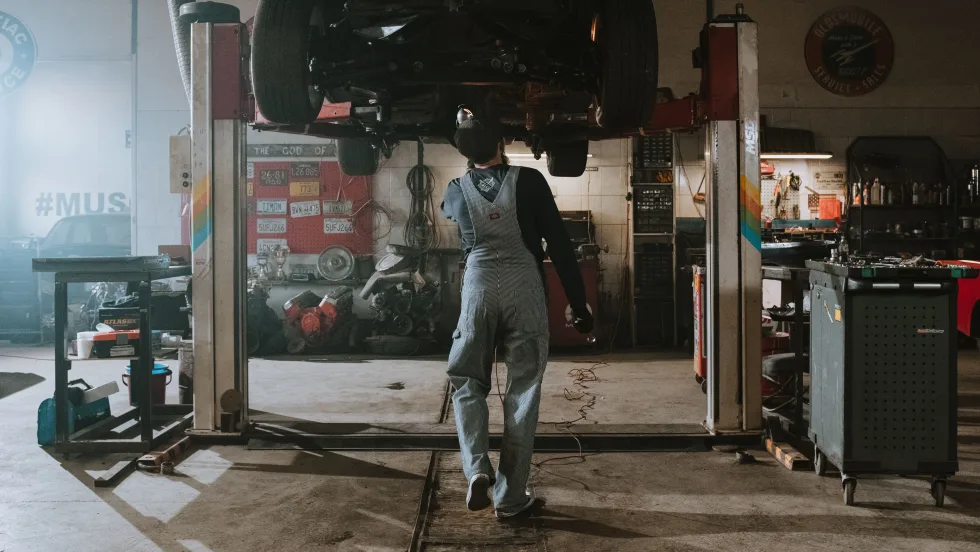
Alliance Analyzes Technician Pipeline
A new industry report examines the state of skilled trades in the U.S. and details the drivers of demand for automotive repair and how technicians enter and grow in the workforce.
Read More →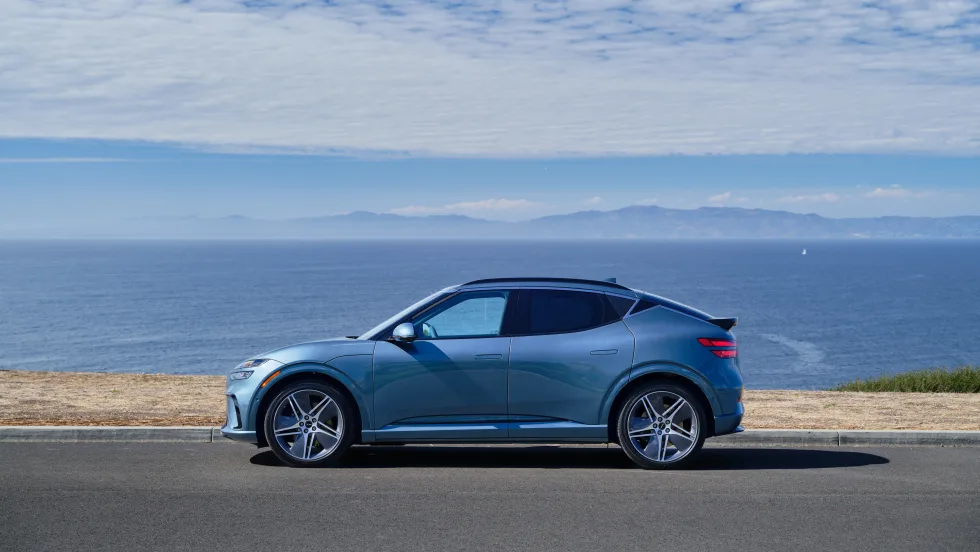
Luxury Rooftop Changes Hands
Genesis of Glenview is getting a new owner and a new location, but its name will stay the same.
Read More →
Future-Proof Your Business
A new industry outlook details several ways that automotive companies can use the rise in artificial intelligence and advanced technologies to their advantage.
Read More →
Dealership Buy-Sells Keep Going Up
First-half transactions reflect continued high appetite for acquisitions despite falling profits, the most sought-after franchises bringing record prices.
Read More →
California Makes Electric Moves
New laws in the Golden State aim to advance consumer access to public electric-vehicle chargers and reduce costs and barriers to its infrastructure.
Read More →
Rare Earths Independence
Automakers seek alternatives to sourcing battery raw materials in volatile markets roiled by trade wars and disrupted supply chains.
Read More →