



Most Drivers Would Accept Speed-Warning Tech
Survey shows passive warnings to curb growing fatalities would fly, as would stronger measures.


Surprisingly, about half of survey respondents even said they wouldn’t resist the much more encroaching automatic speed restrictors, or technology that makes it harder to put the pedal to the floor.
Pexels/Pixabay
A recent survey found that a majority of consumers would accept in-vehicle speed warnings in their cars.
The nonprofit Insurance Institute for Highway Safety conducted the poll after recent calls to require the technology in new vehicles, including a California state bill currently under consideration. Safety groups including the National Highway Traffic Safety Administration of the federal government, say they’re needed to help curtail growth in high-speed fatalities and reckless driving.
IIHS said that more than 60% of survey respondents would find the warning technology acceptable in their vehicles. About half even said they wouldn’t resist the much more encroaching automatic speed restrictors or technology that makes it harder to put the pedal to the floor.
“These findings are exciting because they suggest American drivers are willing to change how they drive to make our roads safer,” IIHS President David Harkey said in a press release on the survey results. “The conventional wisdom has always been that speed-restricting technology would never fly in our car-centric culture.”
The group cited a NHTSA statistic of more than 12,000 speed-related U.S. crashes in 2022 and an AAA Foundation for Traffic Safety poll that found about half of drivers say they drove at least 15 mph over speed limits within a month of the poll.
“We can no longer pretend this is an unsolvable problem,” said IIHS Senior Research Scientist Ian Reagan, who designed the survey about intelligent speed assistance. “With the technologies we have now, we could stop virtually all speeding and eliminate speeding tickets to boot. Instead, we seem to be going the opposite direction, with adaptive cruise control and partial automation systems that allow drivers to peg their speed at 90 mph if they want.”
What are known variously as passive speed limiters, passive speed governors or Intelligent Speed Assistance are audible and visual warning signals when vehicle speed exceeds posted limits. The technology is gaining traction. Starting next month, the European Union will require the technology in vehicles sold on the continent.
Originally posted on Auto Dealer Today
More Industry
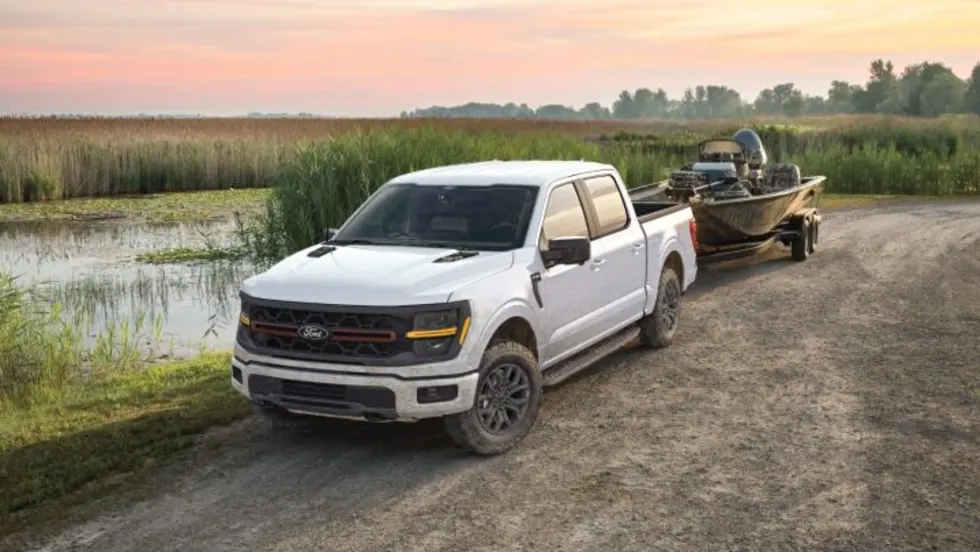
Auto Nameplate Loyalty Holds in Tough Times
Consumers have been faithful to brands despite financial pressures, and JD Power says that’s because automakers have made some wise moves.
Read More →
Top New Jersey RV Store Sells
Myer’s RV Superstore is expanding its footprint in the state with two new locations that it acquired from Ed Hutchinson Jr.
Read More →
Alliance Analyzes Technician Pipeline
A new industry report examines the state of skilled trades in the U.S. and details the drivers of demand for automotive repair and how technicians enter and grow in the workforce.
Read More →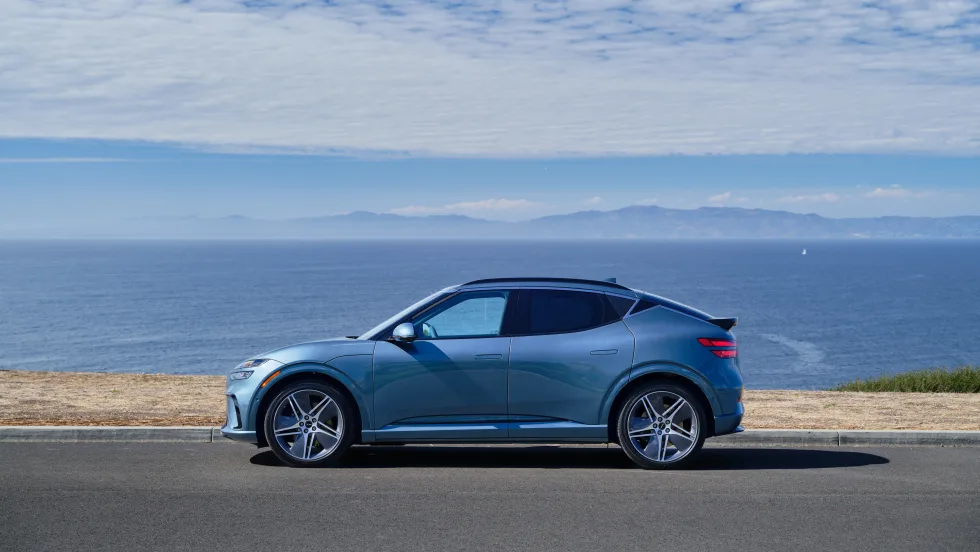
Luxury Rooftop Changes Hands
Genesis of Glenview is getting a new owner and a new location, but its name will stay the same.
Read More →
Future-Proof Your Business
A new industry outlook details several ways that automotive companies can use the rise in artificial intelligence and advanced technologies to their advantage.
Read More →
Dealership Buy-Sells Keep Going Up
First-half transactions reflect continued high appetite for acquisitions despite falling profits, the most sought-after franchises bringing record prices.
Read More →
California Makes Electric Moves
New laws in the Golden State aim to advance consumer access to public electric-vehicle chargers and reduce costs and barriers to its infrastructure.
Read More →
Rare Earths Independence
Automakers seek alternatives to sourcing battery raw materials in volatile markets roiled by trade wars and disrupted supply chains.
Read More →
Volvo Appoints President and CEO
Klaus Zellmer will replace Håkan Samuelsson as president and CEO of Volvo Cars in 2027 as the company makes strategic shifts toward profitability and cash generation.
Read More →
Fix Up Your Fixed Ops
The department may hold untapped potential for your dealership. There are ways to unearth it and turn it around for more profits.
Read More →