



Public Auto Retailers’ Q3 Shows Mixed Conditions
Kerrigan Index report points to some improved indicators while warning of a weak spot.


Multiple factors are weighing on the used-vehicle market as a whole, Kerrigan Advisors reports.
Pexels/Pixabay
Based on the biggest public auto retailers’ performance, the industry’s year has so far proved uneven, but on the front end of the fourth quarter there’s reason for optimism, save for one problem area, according to Kerrigan Advisers analysts.
The sell-side adviser, whose Kerrigan Index report follows the seven biggest U.S. sector players’ stock prices and market capitalization, says the third-quarter performances of all but one were essentially flat. The outlier illustrates the industry’s challenge as the year comes to a close.
The market cap of CarMax, the one of the seven companies that conducts only used-vehicle sales, plummeted about 33% in the quarter, its stock down 27% for a 47% year-to-date decline, revealing vulnerabilities in the used market, Kerrigan reports.
The firm points to falling demand, increasing used-vehicle interest rates, and used price declines from pandemic-era highs. It said CarMax’s sharp increase in loan-loss provisions signifies declining consumer credit conditions, a trend also reflected in the moves of two subprime lenders. Automotive Credit Corp. stopped offering new loans in August, Kerrigan says, while the following month Tricolor Holdings, which also sells used autos, filed for bankruptcy.
The used-sector developments could mean greater auto lender and regulator cautions, according to the report, which points out that Trump administration immigration policy impacted Tricolor’s focus on immigrant consumers.
Despite those challenges, the larger auto retail industry is looking up due to a clearer picture of U.S. trade tariff policy than when the year started, along with easing consumer finance pressure with the recent Federal Reserve interest rate cut.
“… dealers are well-positioned to capitalize on improving market dynamics in the quarters ahead,” the report says.
More Industry
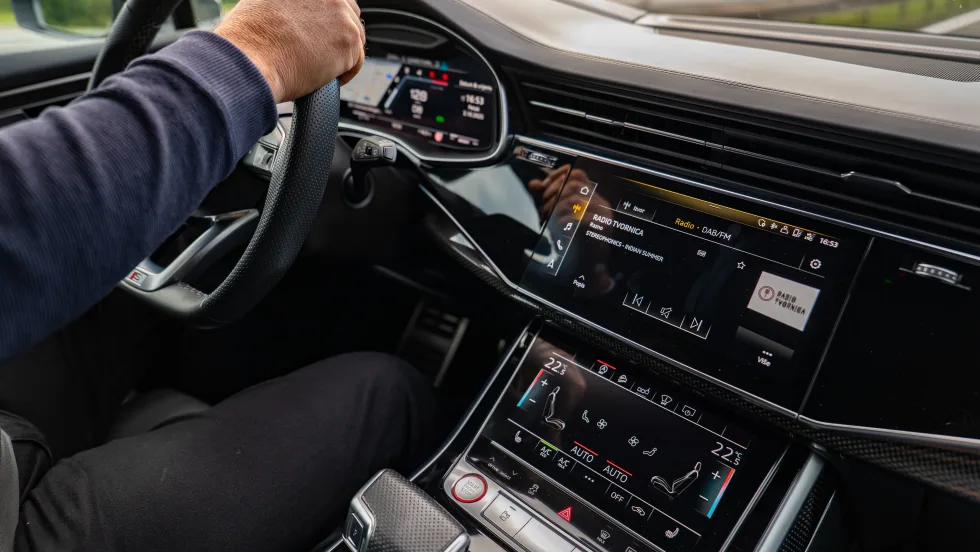
Connection Drives Consideration
Convenience and safety are top priorities for American drivers when it comes to connected vehicles and the services they expect with their next car.
Read More →
New-Vehicle Prices Stay Put
Affordability pressures and model availability shaped new-vehicle sales in September, according to an analysis by Kelley Blue Book.
Read More →
EV Buyer Consideration Shifts
What drives American consumers to purchase an electric vehicle is shifting as the question moves away from Should I?' to 'Which features and experience do I want to have?'
Read More →
Auto Nameplate Loyalty Holds in Tough Times
Consumers have been faithful to brands despite financial pressures, and JD Power says that’s because automakers have made some wise moves.
Read More →
Top New Jersey RV Store Sells
Myer’s RV Superstore is expanding its footprint in the state with two new locations that it acquired from Ed Hutchinson Jr.
Read More →
Alliance Analyzes Technician Pipeline
A new industry report examines the state of skilled trades in the U.S. and details the drivers of demand for automotive repair and how technicians enter and grow in the workforce.
Read More →
Luxury Rooftop Changes Hands
Genesis of Glenview is getting a new owner and a new location, but its name will stay the same.
Read More →
Future-Proof Your Business
A new industry outlook details several ways that automotive companies can use the rise in artificial intelligence and advanced technologies to their advantage.
Read More →
Dealership Buy-Sells Keep Going Up
First-half transactions reflect continued high appetite for acquisitions despite falling profits, the most sought-after franchises bringing record prices.
Read More →
California Makes Electric Moves
New laws in the Golden State aim to advance consumer access to public electric-vehicle chargers and reduce costs and barriers to its infrastructure.
Read More →