



Report Paints Stark Affordability Picture
Edmunds data show how new-model prices ballooned and by how much.

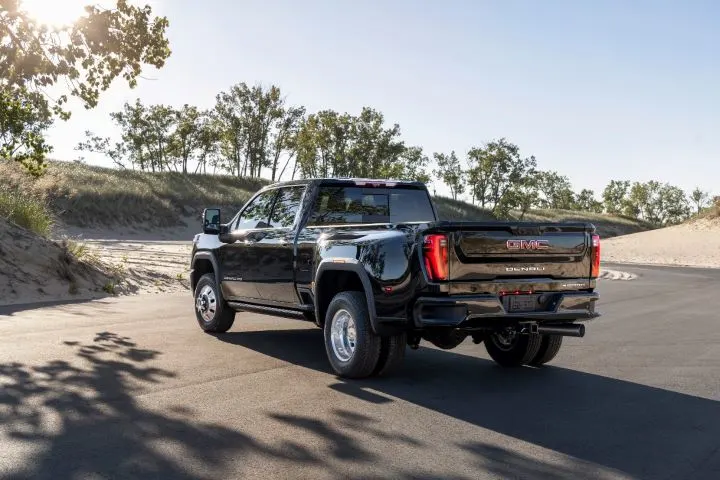
Trucks like this 2024 GMC Sierra have proliferated over the past decade as consumers embraced bigger, more richly trimmed models.
IMAGE: GMC
A new Edmunds report that digs into the reasons for decreasing new-vehicle affordability declares that the $20,000 model is “nearly extinct.”
The analysis indicates that the average transaction price for a new vehicle hit $47,713 in March, up 33% from five years earlier, when it was $35,794.
Not only that, but five years ago, Edmunds points out that there were more models on the market at lower prices.
“In fact, when gas prices spiked in 2008, Detroit automakers scrambled to make smaller, more fuel-efficient vehicles after being criticized for losing touch with what Americans needed,” says the report by Edmunds Executive Director of Insights Jessica Caldwell.
Then low interest rates and longer loan terms helped encourage American consumers to buy bigger models with more bells and whistles, leading to the pickups and SUVs that proliferate today’s roadways, the report explains.
“But now that interest rates have shot up, and without many new vehicle options left on the lower end of the price spectrum,” it says, “buying a new vehicle will likely be out of reach for many consumers.”
The report cites statistics that illustrate waning affordability:
In March, just 0.3% of new vehicles sold had $20,000 or lower price tags, a steep drop from 8% five years earlier.
4% of sold models were under $25,000, down from 24% in March 2018.
And 17% of were under $30,000, down from 44% five years earlier.
Meanwhile, demand for bigger, more expensive models has resulted in a reverse:
17% of new models sold were priced at $60,000 or more, up from 6% five years earlier.
10% were $70,000 or higher, up from 3% in March 2018.
The report points out that with rising interest rates, many consumers will be pushed into used-model territory for affordability.
To make its point, it shows that half of full-size trucks, 94% of large SUVs, and 70% of luxury midsize SUVs sold last month cost more than $60,000, up from just 5%, 54% and 31%, respectively, five years earlier.
Originally posted on Auto Dealer Today
More Auto Finance

Interest Rates Further Squeeze Auto Consumers
Last month’s hike and a potential second increase this month add to a growing list of inflation woes that could continue to dent overall car sales.
Read More →
Mind Your Process
Consistent steps taken in various aspects of the F&I office can make valuable differences over time, similar to an outline for a best-selling book.
Read More →
Top Five Credit Application Fraud Flags
Compliance audits regularly reveal bad habits that can lead to fraud charges and should have been stamped out decades ago.
Read More →
More Auto Loans for the Taking in August
Riskier categories were on the uptick for the month as lenders loosened access in several areas while balancing out the exposure in another, Cox Automotive reported.
Read More →
July Was Hot for Auto Borrowers
Credit proved readily available for many, but most loans left buyers in negative territory, Cox Automotive said.
Read More →
Dealer Lender Preferences Revealed
When lenders provide consistent, fast service, their overall satisfaction scores with dealers greatly improve, according to JD Power research.
Read More →
Auto Refi Savings Surge
Consumers with 84-month auto loan terms who refinanced saved the most on monthly payments, according to a new report by auto refinancing provider Caribou.
Read More →
Subaru Enters Lending Business
The automaker follows other brands in adding captive financing in the U.S., and says the move will strengthen its position here.
Read More →
Positive Equity Reaches Record High
Mainstream vehicle owners who bought a car seven years ago are likely to have positive equity when trading in for a new vehicle, according to second-quarter Edmunds data.
Read More →
Dealerships Are Paying the Price for Extended Car Loans
Growing negative-equity scenarios mean such lengthy terms should be addressed in a forward-looking way to make them work for the dealer and the consumer down the road.
Read More →