



States Sue Dealers Over Hidden Add-Ons in Auto Loans
Some top car dealership chains have allegedly been sneaking hidden fees into auto loans and charging customers for add-ons they either didn't know they were buying, or had specifically said they didn't want, according to a Wall Street Journal story by Karen Lundegaard.
According to the Journal, these charges are being leveled against some of the most respected names in the industry.
State regulators have filed lawsuits against a handful of top dealerships from California to Florida to Washington. The suits zero in on loan rates, extended warranties and theft-protection plans, among other things.
Dealerships are accused of unfairly raising interest rates, even with customers who have good credit records. They also allegedly tacked extra costs onto monthly car payments without the customers' knowledge.
While many car shoppers now use the Internet to research the prices of options such as tinted windows, leather seats and CD players -- and use that information in negotiating with car salespeople -- they remain at a disadvantage in the F&I office, according to the Journal. Most customers, for example, have no clear idea how much extended warranties should cost and where they can buy them at lower prices -- or even if they need them at all.
Dealerships, according to the lawsuits, are capitalizing on this ignorance. In a California case earlier this year, seven managers at Gunderson Chevrolet, one of the largest Chevy dealerships in the U.S., were convicted of defrauding customers. The most common scam involved charging people as much as $6,000 for anti-theft window etching which cost Gunderson $37, according to Los Angeles County Deputy District Attorney Jeffrey McGrath.
AutoNation, which owns Gunderson and is the largest dealership chain in the U.S., attributes the fraud to "rogue employees," according to spokesman Oscar Suris.
Other major dealership chains either being sued or under investigation include Walser Automotive in Minnesota and Sonic Automotive in Florida, according to the Journal.
Paul Walser, CEO of the dealership group that carries his name, told the Journal that while deceptive practices were going on in service contract sales, it was limited to four o fhis 12 dealerships.
Sonic, which is being investigated by two state agencies and faces six civil suits involving two Clearwater, Fla., dealerships, says it is cooperating with the government, according to the Journal.
With profits on new-car sales declining, many dealerships are hoping that F&I add-ons can make up the difference. AutoNation, for example, made an average of $725 per vehicle from such extras in the first quarter of 2002, up about 13 percent from the same period in 2001, according to the Journal.
Profit pressures have led to questionable behaviors, according to attorneys involved in the investigations. In a typical example, the salesperson asks the buyer how big a monthly payment they can afford. If the buyer says $350, for example, the salesperson will "pack" the monthly payment with products and services until it reaches that price, never telling the customer that they qualified for a loan with monthly payments of, for example, $270, according to the Journal.
Consumer advocates say car buyers should be keenly aware of exactly what they are getting and what they are paying for at the dealership. Often they can get the same items -- whether it is a car loan, a LoJack security system or Scotchguard for the seats -- for a much lower price elsewhere.
Most important, accoridng to the Journal, buyers need to read everytyhing in the contract. With a typical new-car transaction involving stacks of paperwork, car salesmen say many buyers never read this material. Some customers even sign pages before all dollar figures have been written in by the dealer.
Some of the dealerships under investigation say they are now trying to create a more customer-friendly process, according to the Journal. In a settlement with the Minnesota attorney general's office, Walser has agreed to tape or video record sales to ensure that products are properly presented. The company must deliver all recordings to the AG's office monthly for four months and by request after that. Consumers may also get copies of their own tapes.
AutoNation and others, meanwhile, are giving consumers "menus" -- prepackaged lists of products and prices. But the lists bundle prices with the loan and appear to the customer as a lump-sum payment, forcing them to do the math to figure out the cost of the "extras."
More F&I

Just Do It
F&I managers need training, but instead of resisting application or expecting perfection, they should improve by simply acting on what they learn.
Read More →
Dealer Lender Preferences Revealed
When lenders provide consistent, fast service, their overall satisfaction scores with dealers greatly improve, according to JD Power research.
Read More →
Leading with Purpose
In this video, Trent White explains how understanding your people’s 'why' is a key leadership responsibility of F&I professionals and how that mindset drives dealership engagement, trust and performance.
Read More →
Integrating Nontraditional F&I Products
The niche presents a strategic advantage for auto dealerships as they move to adapt to fast-changing consumer expectations in today’s market.
Read More →
Trust Is Personal
Technology, no matter how efficient, can’t replace what the human F&I manager can do, which is to bridge the divide between cyberspace and the in-store experience.
Read More →
Amplify 2026 Billed as Turning Innovation Into Results
Reynolds and Reynolds says its annual retail summit will connect dealers with practical strategies, peer insight, and technology-driven ideas.
Read More →
Own Your Outcome: F&I in the Digital Customer Journey
Finance has historically been the last step in the car-buying process, but it doesn’t have to be. The customer’s journey starts long before they arrive at the dealership, and so should F&I’s involvement.
Read More →
Tariffs Could Raise Insurance Premiums
As U.S. import tariffs affect repair costs, consumers might find it more affordable to replace a damaged vehicle, according to recent Insurify tariff analysis.
Read More →
Smaller Loans, Longer Terms
The youngest generation of car buyers is more likely to finance less expensive vehicles, more than half of generation Z consumers borrowing less than $25,000.
Read More →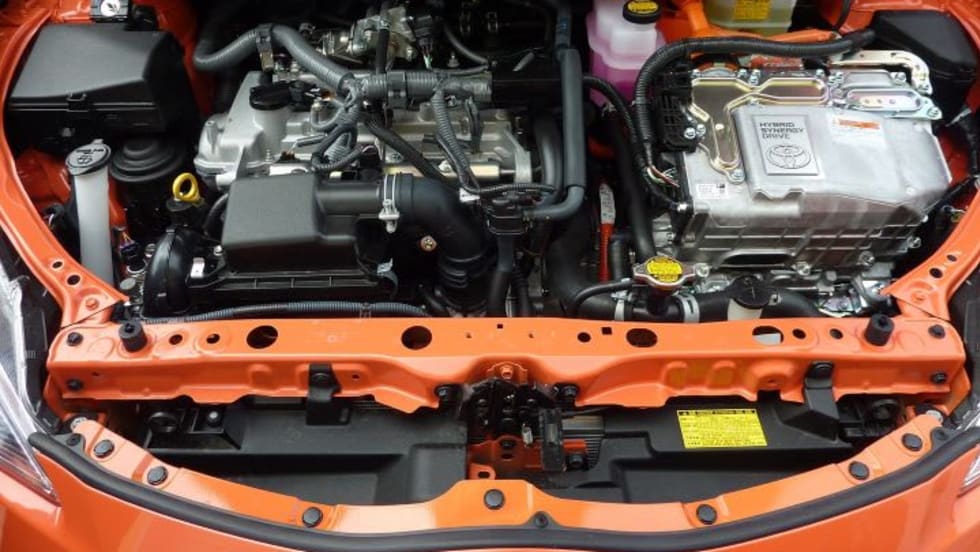
New Lifetime Battery F&I Product Meant to Drive Dealer Traffic
EFG Cos. offering is intended to create lifetime auto dealer engagement with customers.
Read More →