



Tesla Sales Fall 31% in Q1, Stock Follows
Shares of Tesla Inc. fell by 9% following an underwhelming first-quarter sales report, but executives say they have the demand and capital they need to meet their 2019 production goals.


Tesla Inc. sold 63,000 new units in the first quarter, including 50,900 Model 3 sedans. That’s more than double its Q1 2018 output but 31% fewer than Q4 2019.
Photo by Jakob Härter via Flickr
PALO ALTO, Calif. — Tesla Inc. stock fell 9% in premarket trading Thursday following Wednesday’s first-quarter sales report, which showed a 31% decline from the prior quarter. The electric-vehicle manufacturer sold 63,000 new units in Q1 after selling 90,966 in the last three months of 2018.
Some decline was expected following the expiration of the full $7,500 electric-vehicle tax credit offered by the federal government to U.S. car buyers on a manufacturer-by-manufacturer basis, triggered when Tesla sold its 200,000th unit last year. The credit was reduced to $3,750 in January and will be cut in half again in July.
Tesla also began shipping Model 3 sedans to China and Europe during the quarter. Logistical challenges prevented the factory from filling more than 10,000 orders, contributing to the shortfall. Tesla customers pay full price for their vehicles when they are delivered, not ordered, so “sales” are not necessarily reflective of demand.
The news is nonetheless worrisome for Tesla, which ramped up production and sales throughout 2018 but must continue to move units to pay off its debt. The company started the new year with $3.7 billion cash in hand after repaying $230 million to creditors in Q4, then paid off a $920 million bond in Q1, and now faces a $566 million bill in November.
In a statement, executives said the company ended the first quarter with “sufficient” reserves and assured investors its production goals are unchanged.
“We reaffirm our prior guidance of 360,000 to 400,000 vehicle deliveries in 2019,” the statement read, in part.
Originally posted on Auto Dealer Today
More Showroom

California Sees Quarterly Gains
California’s new-vehicle market saw a boost in hybrids in the third quarter and its first overall quarterly market gain of the year.
Read More →
New-Vehicle Prices Stay Put
Affordability pressures and model availability shaped new-vehicle sales in September, according to an analysis by Kelley Blue Book.
Read More →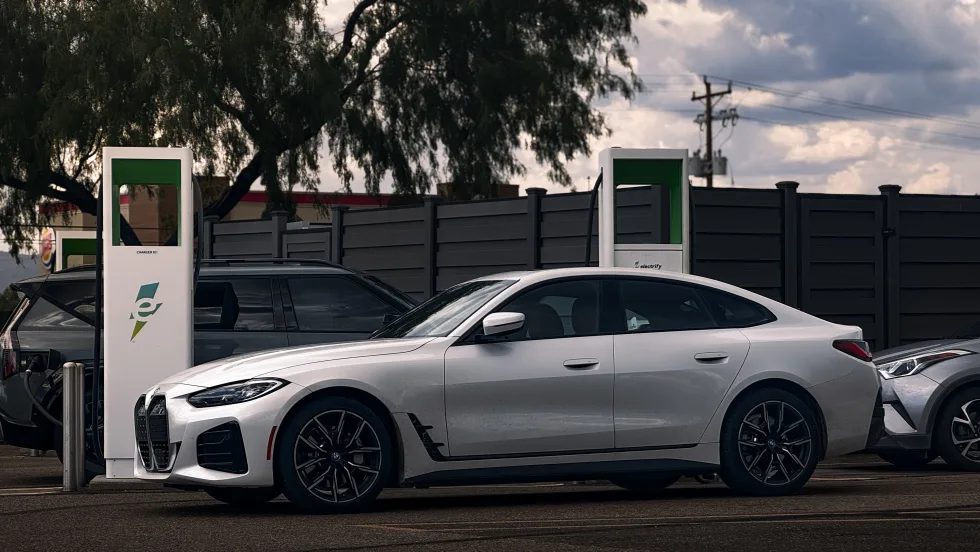
EV Buyer Consideration Shifts
What drives American consumers to purchase an electric vehicle is shifting as the question moves away from Should I?' to 'Which features and experience do I want to have?'
Read More →
Year-to-Date Auto Sales Holding Their Own
A forecast through August shows that automakers have shifted strategies to keep deliveries and revenues up despite tariffs and other economic challenges.
Read More →
Slow to Robo
Ten years of polling consumers shows autonomous vehicles’ profiles have risen considerably, but even more people now want at least some level of control if they go that route.
Read More →
Dealers a Little Down
A third-quarter Cox Automotive survey finds them in a mixed mood, bummed by fallen customer traffic but encouraged by better profits, costs and EV interest.
Read More →
European EV Sales Skyrocket
The EV market on the continent held strong in July with almost 25% of new-car sales being fully electric units, a stark contrast to the U.S., where EV sales declined about 42%.
Read More →
Mitsubishi Unveils U.S. Plan
The automaker announced a strategy that includes an expanded lineup and dealership presence, along with more ‘rugged’ and electric models.
Read More →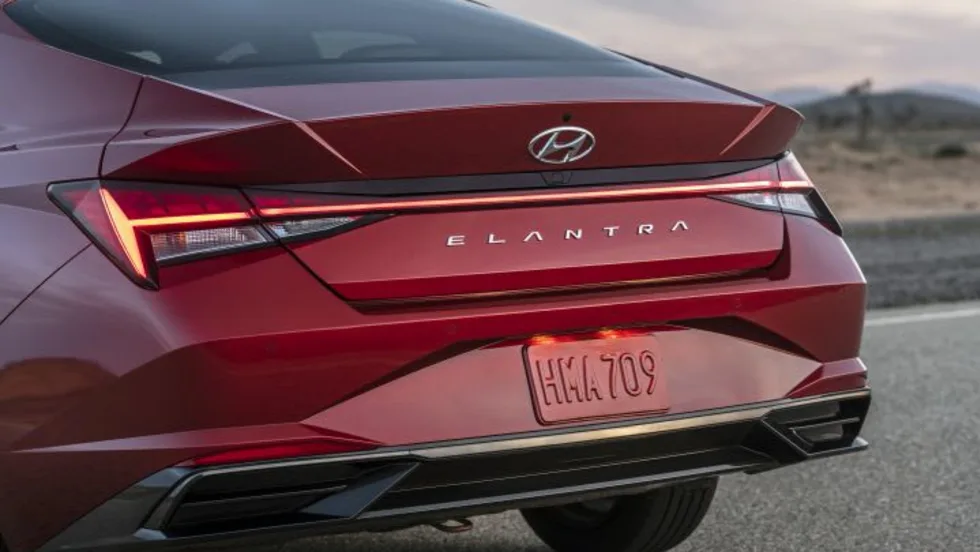
Used Lots Getting the Business
Many consumers are seeking out the units to save money, and the demand – higher in July than normal – is keeping supply limited and prices up.
Read More →
Used Market Stabilizes
The Carfax Used Car Index noted a major drop in used-vehicle price increases in July after several months of hikes.
Read More →